


Understanding Geomembrane Materials: Key Insights for Construction Professionals
Release time:
2026-01-30
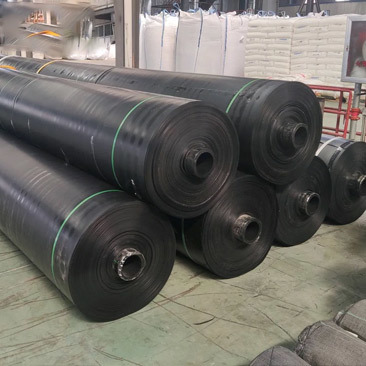
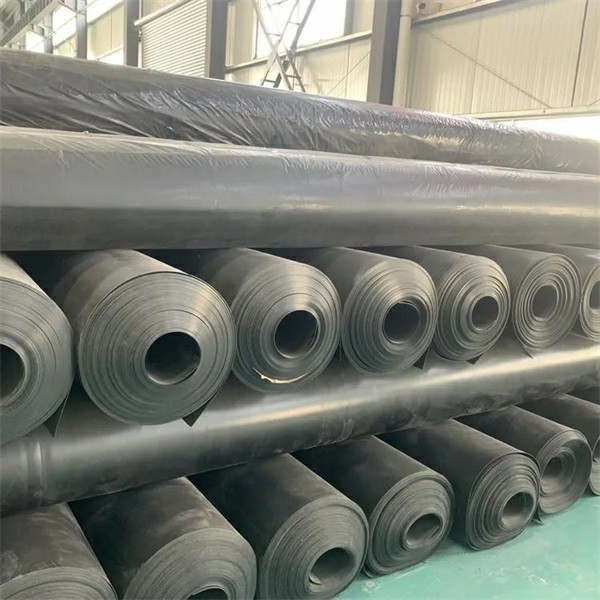
Geomembrane materials are specialized synthetic membranes designed to serve as impermeable barriers
Geomembrane materials are specialized synthetic membranes designed to serve as impermeable barriers. They are primarily used in applications involving fluid containment, such as landfills, ponds, and reservoirs. These materials are typically made from polymers like polyethylene (PE), polypropylene (PP), and polyvinyl chloride (PVC). Each type of geomembrane offers unique properties that cater to specific project requirements, making it essential for professionals to understand their differences.
One of the most significant benefits of geomembrane materials is their exceptional durability. They can withstand harsh environmental conditions, including extreme temperatures and UV radiation. This resilience ensures that geomembranes maintain their impermeability over time, reducing the risk of leakage and contamination.
Moreover, geomembranes are lightweight and easy to install, which can lead to significant savings in labor and equipment costs during construction. Their flexibility allows them to conform to various land contours, making them suitable for both flat and uneven surfaces. This adaptability is a crucial factor in projects where terrain may pose challenges.
In addition to their physical properties, geomembrane materials are also highly resistant to chemical attack. This feature is particularly valuable in applications where they will be exposed to hazardous substances, such as in waste containment facilities. By preventing the migration of contaminants, geomembranes protect groundwater resources and the surrounding environment.
Another important aspect to consider is the environmental impact of geomembrane materials. Many modern geomembranes are designed with sustainability in mind, utilizing recycled materials and offering recyclability at the end of their life cycle. This not only minimizes their carbon footprint but also aligns with growing industry standards for eco-friendly practices.
When selecting geomembrane materials for a project, it is crucial for professionals to evaluate factors such as chemical compatibility, puncture resistance, and environmental considerations. Conducting thorough research and consulting with experts can aid in making informed decisions tailored to specific project needs.
In conclusion, geomembrane materials are indispensable in the construction and civil engineering sectors, providing vital functions in fluid containment and environmental protection. By understanding their properties and applications, professionals can enhance the effectiveness and sustainability of their projects, ultimately contributing to safer and more efficient construction practices.
CONTACT US
Address: Shuangyi Road, Lingcheng District, Dezhou City, Shandong Province


GET A DEDICATED QUOTATION