


Composite Geomembranes: The Ultimate Guide for Engineers and Contractors
Release time:
2026-01-31
Composite Geomembranes: A Comprehensive Guide for Engineers and Contractors Table of Contents 1. Introduction to Composite Geomembranes 2. What Are Composite Geomembranes? 3. Key Benefits of Using Composite Geomembranes 4. Applications of Composite Geomembranes in Construction 5. Installation Techniques for Composite Geomembranes 6. Maintenance and Repair of Composite Geom
Composite Geomembranes: A Comprehensive Guide for Engineers and Contractors
Table of Contents
- 1. Introduction to Composite Geomembranes
- 2. What Are Composite Geomembranes?
- 3. Key Benefits of Using Composite Geomembranes
- 4. Applications of Composite Geomembranes in Construction
- 5. Installation Techniques for Composite Geomembranes
- 6. Maintenance and Repair of Composite Geomembranes
- 7. Environmental Considerations for Composite Geomembranes
- 8. Future Trends in Composite Geomembrane Technology
- 9. Frequently Asked Questions
- 10. Conclusion
1. Introduction to Composite Geomembranes
In the world of civil engineering and construction, composite geomembranes have emerged as a pivotal solution for various containment and barrier applications. These engineered materials are designed to provide effective solutions for challenging environmental conditions, all while ensuring structural integrity. Understanding composite geomembranes is essential for engineers and contractors who aim to implement the best practices in their projects.
2. What Are Composite Geomembranes?
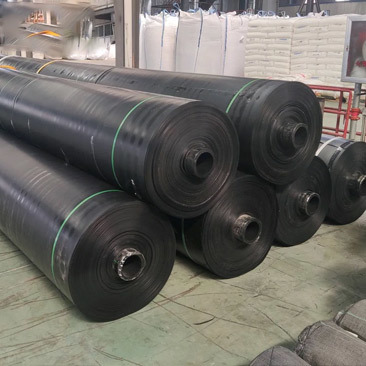
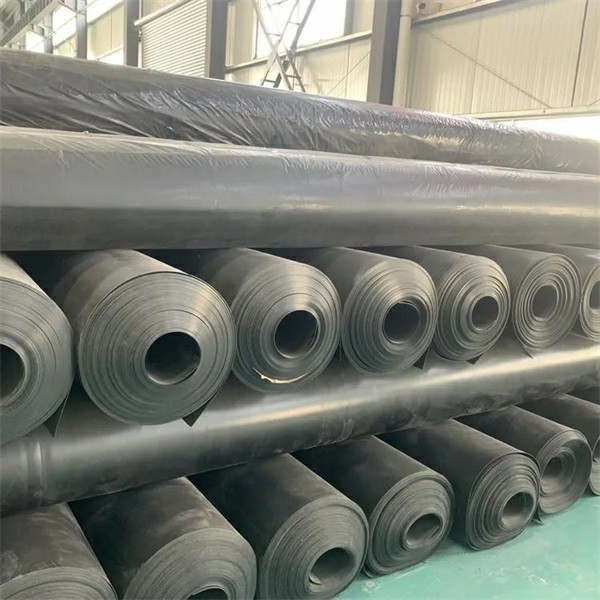
Composite geomembranes are multilayered synthetic membranes that combine different materials, usually including polymers and geotextiles, to create a robust barrier. These geomembranes are typically used for:
- **Water containment**: Preventing leaks in landfills and reservoirs.
- **Environmental protection**: Safeguarding soil and groundwater from contamination.
The structure of composite geomembranes often integrates a geomembrane layer, such as high-density polyethylene (HDPE), with a geotextile layer that enhances durability, flexibility, and resistance to punctures and tears.
3. Key Benefits of Using Composite Geomembranes
Utilizing composite geomembranes in construction projects offers numerous advantages:
3.1 Enhanced Durability
Composite geomembranes are engineered to withstand harsh environmental conditions, including UV radiation, temperature fluctuations, and chemical exposure. This durability reduces the risk of failure and ensures long-term performance.
3.2 Chemical Resistance
The materials used in composite geomembranes are highly resistant to a wide array of chemicals, making them ideal for applications in mining, landfills, and industrial processes where chemical exposure is a concern.
3.3 Versatility
These membranes can be customized for various applications, ranging from agricultural ponds to municipal waste management systems, thereby increasing their utility in diverse projects.
3.4 Cost-Effectiveness
While the initial investment might be higher compared to traditional barriers, the longevity and low maintenance requirements of composite geomembranes often lead to cost savings in the long run.
4. Applications of Composite Geomembranes in Construction
Composite geomembranes are versatile materials applicable in numerous construction scenarios:
4.1 Landfills and Waste Management
In landfills, composite geomembranes serve as liners that prevent leachate from contaminating groundwater, thus playing a crucial role in waste management.
4.2 Mining Operations
Mining companies use composite geomembranes to create containment systems for tailings and heap leaching processes, ensuring that toxic materials do not escape into the environment.
4.3 Water Reservoirs
These geomembranes are also employed in water conservation efforts by lining reservoirs, thereby reducing water loss due to seepage.
4.4 Agricultural Applications
In agriculture, composite geomembranes can line irrigation ditches and ponds, helping to maintain water quality and prevent soil erosion.
5. Installation Techniques for Composite Geomembranes
Proper installation is critical to the effectiveness of composite geomembranes. Engineers and contractors should follow industry best practices to ensure optimal performance.
5.1 Site Preparation
Before installation, the site must be thoroughly prepared. This includes removing sharp objects, vegetation, and other debris that could damage the geomembrane.
5.2 Seam Welding
Seams between geomembrane sections must be welded properly to ensure a continuous barrier. Hot wedge welding and extrusion welding are common methods used for this purpose.
5.3 Testing for Integrity
Once installed, composite geomembranes should be tested for integrity. Methods like vacuum testing and electrical leak detection can identify any potential weaknesses in the membrane.
6. Maintenance and Repair of Composite Geomembranes
To ensure longevity, regular maintenance is essential. Inspecting for signs of wear, such as tears or punctures, allows for timely repairs, which are critical for maintaining the integrity of the geomembrane.
6.1 Regular Inspections
Conducting routine inspections helps in identifying potential issues before they escalate. This includes checking for any visible damage or signs of contamination.
6.2 Repair Techniques
For minor damages, such as small punctures, patching with compatible materials can restore functionality. However, for larger issues, replacement sections may be necessary.
7. Environmental Considerations for Composite Geomembranes
The use of composite geomembranes in construction also raises important environmental considerations. They play a significant role in minimizing pollution and protecting natural resources.
7.1 Sustainability
Many manufacturers are now producing geomembranes using recycled materials, reducing the environmental footprint associated with their production.
7.2 Impact on Ecosystems
Properly installed and maintained geomembranes can prevent harmful substances from entering soil and water systems, thereby protecting local ecosystems.
8. Future Trends in Composite Geomembrane Technology
As technology advances, we can expect innovations in composite geomembranes that enhance their performance and sustainability.
8.1 Smart Geomembranes
The integration of sensors within geomembranes for monitoring conditions in real-time is a trend that may revolutionize how we manage containment systems.
8.2 Eco-Friendly Materials
Research is ongoing into the development of new materials that provide similar performance characteristics to traditional geomembranes but with lower environmental impacts.
9. Frequently Asked Questions
9.1 What are the primary uses of composite geomembranes?
Composite geomembranes are primarily used for containment in landfills, mining operations, water reservoirs, and agricultural applications.
9.2 How long do composite geomembranes last?
When properly installed and maintained, composite geomembranes can last several decades, with some manufacturers offering warranties up to 30 years.
9.3 Can composite geomembranes be recycled?
Many composite geomembranes are made from recyclable materials, and some manufacturers have programs for recycling used membranes.
9.4 What factors affect the installation of composite geomembranes?
Factors include site conditions, weather, and the specific application requirements, all of which must be carefully considered during installation.
9.5 How do I choose the right geomembrane for my project?
Selecting the appropriate geomembrane involves assessing factors such as the environmental conditions, chemical exposure, and specific requirements of the project.
10. Conclusion
Composite geomembranes represent a significant advancement in construction materials, offering a blend of durability, versatility, and environmental protection. As engineers and contractors, understanding their properties, applications, and maintenance strategies is crucial for the successful execution of projects. By staying informed about trends and innovations in geomembrane technology, we can ensure that our infrastructure remains sustainable, efficient, and resilient against environmental challenges.
CONTACT US
Address: Shuangyi Road, Lingcheng District, Dezhou City, Shandong Province


GET A DEDICATED QUOTATION