


The Science Behind Geomembrane: How It Works
Release time:
2026-01-29
The Science Behind Geomembrane: How It Works Geomembranes are a critical component in the field of construction and environmental engineering. These synthetic membranes provide an effective barrier against liquids and gases, making them indispensable in a variety of applications, including landfill liners, pond liners, and containment systems. Understanding the science behind geomembranes is cruci
The Science Behind Geomembrane: How It Works
Geomembranes are a critical component in the field of construction and environmental engineering. These synthetic membranes provide an effective barrier against liquids and gases, making them indispensable in a variety of applications, including landfill liners, pond liners, and containment systems. Understanding the science behind geomembranes is crucial for industry professionals and anyone interested in sustainable construction practices. This article will explore the fundamentals of geomembranes, their manufacturing processes, applications, and benefits.
Table of Contents
- What Are Geomembranes?
- Materials Used in Geomembrane Production
- How Geomembranes Work
- Applications of Geomembranes
- Benefits of Using Geomembranes
- Installation Process of Geomembranes
- Environmental Impacts of Geomembranes
- The Future of Geomembranes in Construction
- FAQs
What Are Geomembranes?
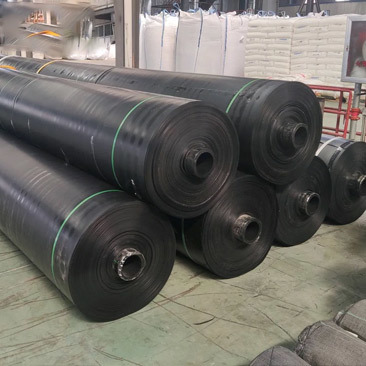
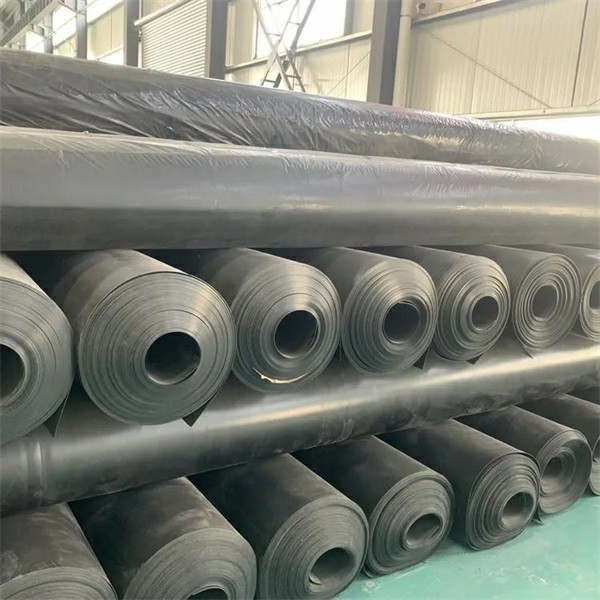
Geomembranes are impermeable membranes used to prevent the migration of liquids or gases in a variety of applications. Typically made from synthetic materials, these membranes serve as a barrier in landfills, reservoirs, and other containment systems. Unlike traditional membranes, geomembranes are engineered for durability and resistance to environmental factors, ensuring longevity and effectiveness in safeguarding the surrounding environment.
Types of Geomembranes
There are several types of geomembranes, each with unique properties suited for specific applications:
1. **High-Density Polyethylene (HDPE):** Known for its chemical resistance and durability, HDPE geomembranes are widely used in landfills and hazardous waste containment.
2. **Polyvinyl Chloride (PVC):** PVC geomembranes are flexible and easy to install, making them ideal for applications like pond liners and decorative water features.
3. **Ethylene Propylene Diene Monomer (EPDM):** EPDM membranes are highly resistant to weathering and UV radiation, often used in roofing and pond applications.
Each type of geomembrane has advantages and limitations, impacting its suitability depending on the project requirements.
Materials Used in Geomembrane Production
The primary materials used in the production of geomembranes include polymers that are specifically engineered for strength and flexibility. These materials undergo rigorous testing to ensure they can withstand environmental stressors.
Polymer Composition
- **Polyethylene:** The most common material, polyethylene, offers excellent resistance to chemical exposure and environmental stress, making it suitable for a wide range of applications.
- **Polyvinyl Chloride:** PVC offers versatility and flexibility, which is particularly advantageous in applications requiring ease of installation.
- **Rubber Compounds:** Often used in EPDM geomembranes, rubber compounds provide exceptional resistance to temperature fluctuations, making them ideal for environments with extreme weather conditions.
Each polymer's unique properties contribute to the overall functionality of geomembranes, enhancing their effectiveness in various settings.
How Geomembranes Work
The function of geomembranes hinges on their ability to act as barriers to fluid migration. They accomplish this by leveraging their unique properties, which include impermeability, chemical resistance, and flexibility.
Impedance of Fluid Movement
Geomembranes prevent liquids and gases from passing through by creating a physical barrier. Their high-density structures limit pore spaces, ensuring that even small molecules cannot seep through. This impermeability is essential in applications such as landfill liners, where toxic leachate must be contained to protect groundwater sources.
Environmental Adaptability
These membranes are designed to adapt to various environmental conditions. They can withstand temperature changes, UV exposure, and even chemical attacks from the substances they are meant to contain. This adaptability ensures longevity and effectiveness in diverse applications.
Applications of Geomembranes
Geomembranes are utilized in numerous applications across various industries, demonstrating their versatility and effectiveness.
Landfill Liners
One of the most common uses of geomembranes is as landfill liners. They prevent leachate—contaminated water produced in landfills—from infiltrating the soil and groundwater, thereby protecting the environment.
Water Containment
Geomembranes are also used in reservoirs and ponds to hold water efficiently. They minimize evaporation and seepage, making them ideal for agricultural applications and recreational facilities.
Mining Operations
In the mining sector, geomembranes play a critical role in tailings management. They prevent toxic materials from contaminating nearby ecosystems, ensuring compliance with environmental regulations.
Construction Projects
In construction, geomembranes provide essential waterproofing solutions. They are often integrated into building foundations and retaining walls to prevent water ingress and protect structural integrity.
Benefits of Using Geomembranes
The advantages of employing geomembranes in various applications are substantial, contributing significantly to environmental protection and cost-efficiency.
Durability
Geomembranes are designed to withstand harsh environmental conditions, ensuring their effectiveness over time. Their resistance to chemicals and physical stress results in lower maintenance costs and extends their lifespan.
Cost-Effectiveness
Investing in geomembranes can lead to significant cost savings in the long term. By preventing leaks and seepage, they mitigate the risk of environmental damage and associated legal liabilities.
Environmental Protection
The most critical benefit of geomembranes is their role in environmental protection. By containing harmful materials, they safeguard groundwater and soil from contamination, promoting a healthier ecosystem.
Installation Process of Geomembranes
The installation of geomembranes must be carefully executed to ensure optimal performance. The process involves several key steps:
Site Preparation
The installation site must be thoroughly prepared. This includes clearing debris, leveling the ground, and inspecting for sharp objects that could puncture the geomembrane.
Geosynthetic Layering
Once the site is prepared, the geomembrane is unrolled and laid out. Proper alignment is crucial to prevent overlaps and ensure a seamless barrier.
Seaming Techniques
Seams between geomembrane sheets can be welded or glued together, depending on the material used. This step requires precision to avoid leaks and ensure a continuous barrier.
Testing and Quality Assurance
After installation, the geomembrane undergoes rigorous testing to verify its integrity. This may include pressure testing and visual inspections to ensure there are no defects or vulnerabilities.
Environmental Impacts of Geomembranes
While geomembranes offer significant environmental benefits, it is vital to consider their lifecycle impacts, including production, installation, and eventual disposal.
Sustainability Concerns
The production of synthetic geomembranes can raise sustainability concerns due to the use of petroleum-based materials. However, advancements in recycling and biopolymer technology are paving the way for more sustainable alternatives.
End-of-Life Management
Proper disposal or recycling of geomembranes at the end of their service life is crucial. Many geomembrane products are now designed with recyclability in mind, reducing their environmental footprint.
The Future of Geomembranes in Construction
The future of geomembranes in construction looks promising, with ongoing advancements in material science and environmental sustainability. Innovations such as smart geomembranes that can monitor their conditions or biopolymer alternatives are at the forefront of this evolution.
Emerging Technologies
New technologies are enhancing the performance of geomembranes. For instance, integrating sensors can provide real-time data on the membrane's integrity, allowing for proactive maintenance and reducing the risk of failure.
Increased Regulation and Standards
As environmental regulations become stricter, the demand for efficient and effective geomembranes will only grow. Companies that prioritize sustainable practices and innovative solutions will thrive in this evolving landscape.
FAQs
1. What is the lifespan of a geomembrane?
The lifespan of a geomembrane can vary based on material and environmental conditions, but typically ranges from 20 to 50 years with proper installation and maintenance.
2. Can geomembranes be recycled?
Yes, many geomembranes are designed for recyclability. However, recycling options may depend on local regulations and facilities.
3. How are geomembranes tested for leaks?
Geomembranes can be tested using various methods, such as vacuum testing, pressure testing, and visual inspections.
4. What factors should be considered when selecting a geomembrane?
Key factors include the specific application, environmental conditions, chemical exposure, and regulatory requirements.
5. Are there environmentally friendly alternatives to traditional geomembranes?
Yes, advancements in biopolymers and sustainable materials are providing alternatives that reduce the environmental impact of geomembranes.
Conclusion
Geomembranes play an essential role in modern construction and environmental protection. Their unique properties, combined with proper installation techniques, ensure effective containment of liquids and gases across various applications. As the industry evolves, innovations in material science and sustainability practices will continue to enhance the effectiveness of geomembranes. Understanding the science behind these materials equips professionals and stakeholders with the knowledge necessary to implement effective solutions, ensuring a safer and more sustainable future for construction and environmental management.
CONTACT US
Address: Shuangyi Road, Lingcheng District, Dezhou City, Shandong Province


GET A DEDICATED QUOTATION