


Understanding PE Geomembranes: Essential Solutions for Construction and Environmental Protection
Release time:
2026-01-27
PE geomembranes, or polyethylene geomembranes, are a class of synthetic membrane liners widely utilized in various construction and environmental applications. These durable materials are primarily composed of high-density polyethylene (HDPE) or low-density polyethylene (LDPE), making them highly effective in preventing the migration of liquids and gases, thus serving as a vital barrier in various
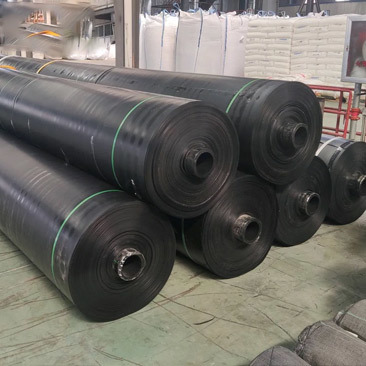
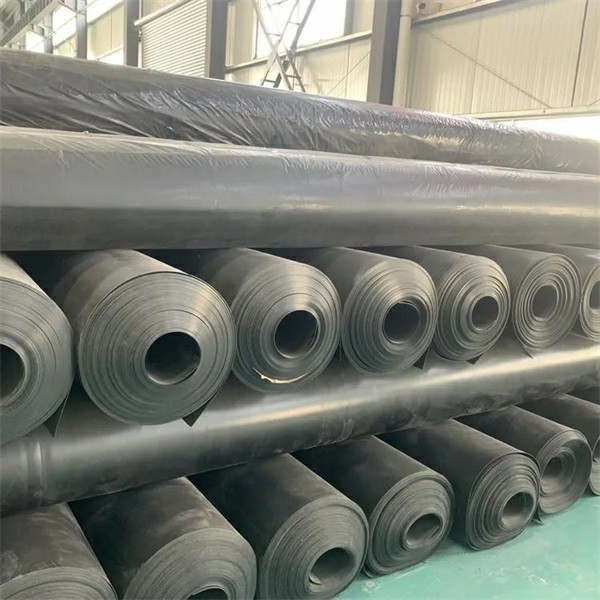
PE geomembranes, or polyethylene geomembranes, are a class of synthetic membrane liners widely utilized in various construction and environmental applications. These durable materials are primarily composed of high-density polyethylene (HDPE) or low-density polyethylene (LDPE), making them highly effective in preventing the migration of liquids and gases, thus serving as a vital barrier in various projects.
One of the core functions of PE geomembranes is their use in landfill liners. By creating a secure barrier, they prevent leachate—potentially hazardous fluids—from seeping into the ground and contaminating water supplies. This containment is crucial for environmental protection, ensuring that harmful substances are kept in check.
In addition to landfill applications, PE geomembranes are extensively used in water containment systems, such as ponds, reservoirs, and aquaculture facilities. Their impermeability ensures that precious water resources are retained, minimizing evaporation and infiltration, which is particularly beneficial in arid regions where water conservation is critical.
Furthermore, PE geomembranes play an indispensable role in civil engineering and construction projects. They are often utilized in retaining walls, stormwater management systems, and as liners for tunnels or underground structures. Their strength and resilience under pressure make them ideal for stabilizing soil and preventing erosion, which can be especially important in areas with challenging geotechnical conditions.
Another significant advantage of PE geomembranes is their lightweight nature, which facilitates easier handling and installation. Unlike traditional material alternatives, these geomembranes require less labor and equipment, contributing to overall project efficiency. Additionally, they exhibit excellent resistance to UV radiation, chemical exposure, and physical wear, ensuring that they maintain their integrity over time.
When considering the implementation of PE geomembranes in projects, it is essential to evaluate the specific needs and conditions of the site. Factors such as soil type, environmental regulations, and intended use will influence the selection of the appropriate geomembrane thickness and type. Engaging with knowledgeable professionals can help ensure that the right material is chosen for optimal performance and compliance.
In summary, PE geomembranes are a crucial component in the realm of construction and environmental sustainability. Their ability to provide reliable barriers against contaminants and their versatile applications make them a cornerstone in modern construction practices. With the increasing emphasis on environmental protection and resource conservation, understanding and utilizing these materials becomes ever more significant in the field of construction and design.
One of the core functions of PE geomembranes is their use in landfill liners. By creating a secure barrier, they prevent leachate—potentially hazardous fluids—from seeping into the ground and contaminating water supplies. This containment is crucial for environmental protection, ensuring that harmful substances are kept in check.
In addition to landfill applications, PE geomembranes are extensively used in water containment systems, such as ponds, reservoirs, and aquaculture facilities. Their impermeability ensures that precious water resources are retained, minimizing evaporation and infiltration, which is particularly beneficial in arid regions where water conservation is critical.
Furthermore, PE geomembranes play an indispensable role in civil engineering and construction projects. They are often utilized in retaining walls, stormwater management systems, and as liners for tunnels or underground structures. Their strength and resilience under pressure make them ideal for stabilizing soil and preventing erosion, which can be especially important in areas with challenging geotechnical conditions.
Another significant advantage of PE geomembranes is their lightweight nature, which facilitates easier handling and installation. Unlike traditional material alternatives, these geomembranes require less labor and equipment, contributing to overall project efficiency. Additionally, they exhibit excellent resistance to UV radiation, chemical exposure, and physical wear, ensuring that they maintain their integrity over time.
When considering the implementation of PE geomembranes in projects, it is essential to evaluate the specific needs and conditions of the site. Factors such as soil type, environmental regulations, and intended use will influence the selection of the appropriate geomembrane thickness and type. Engaging with knowledgeable professionals can help ensure that the right material is chosen for optimal performance and compliance.
In summary, PE geomembranes are a crucial component in the realm of construction and environmental sustainability. Their ability to provide reliable barriers against contaminants and their versatile applications make them a cornerstone in modern construction practices. With the increasing emphasis on environmental protection and resource conservation, understanding and utilizing these materials becomes ever more significant in the field of construction and design.
CONTACT US
Address: Shuangyi Road, Lingcheng District, Dezhou City, Shandong Province


GET A DEDICATED QUOTATION