


The Importance of LDPE Geomembrane in Flood Mitigation Strategies
Release time:
2026-07-22
The Importance of LDPE Geomembrane in Flood Mitigation Strategies Flooding is a significant issue faced by communities worldwide, causing damage to infrastructure, ecosystems, and livelihoods. To combat this pressing problem, innovative solutions are required, and **LDPE geomembranes** have emerged as a powerful tool in flood mitigation strategies. This article explores the critical role of LDPE
The Importance of LDPE Geomembrane in Flood Mitigation Strategies
Flooding is a significant issue faced by communities worldwide, causing damage to infrastructure, ecosystems, and livelihoods. To combat this pressing problem, innovative solutions are required, and **LDPE geomembranes** have emerged as a powerful tool in flood mitigation strategies. This article explores the critical role of LDPE geomembranes in managing floods, their benefits, applications, and environmental considerations.
Understanding LDPE Geomembranes
What is LDPE?
Low-Density Polyethylene (LDPE) is a thermoplastic made from the polymerization of ethylene. Known for its flexibility and durability, LDPE is commonly used in a variety of applications, including packaging, containers, and geomembranes.
Defining Geomembranes
Geomembranes are impermeable membranes used in geotechnical applications to control fluid or gas migration in soil and rock environments. They are typically made from synthetic materials like LDPE, HDPE (High-Density Polyethylene), or PVC (Polyvinyl Chloride).
The Role of LDPE in Geomembranes
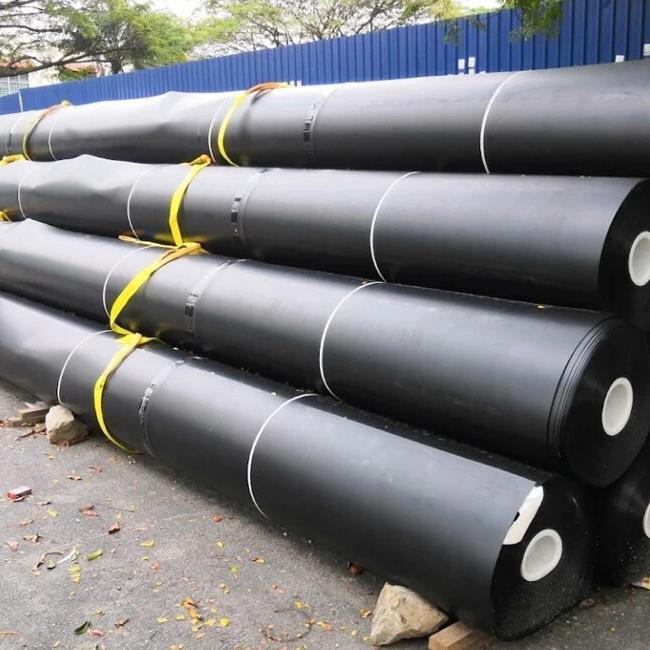
LDPE geomembranes are particularly valued for their lightweight nature, chemical resistance, and ease of installation. These properties make them ideal for various applications, including landfill liners, water containment, and crucially, flood mitigation.
Why LDPE Geomembranes are Essential in Flood Mitigation
1. Effective Water Containment
One of the primary functions of LDPE geomembranes is to contain water. Their impermeable nature prevents the infiltration of water into the ground, directing it where it can be managed effectively. This is vital during heavy rainfall or rapid snowmelt, where proper water management can significantly reduce flood risks.
2. Versatile Applications
LDPE geomembranes can be used in various flood mitigation scenarios, including:
- **Retention Ponds**: Used to collect and store excess water, preventing overflow into surrounding areas.
- **Flood Barriers**: Employed as temporary or permanent barriers to redirect floodwaters away from vulnerable structures.
- **Dikes and Levees**: Act as protective barriers to safeguard landscapes and human settlements.
3. Environmental Protection
Using LDPE geomembranes in flood mitigation strategies not only protects human lives and property but also safeguards the environment. By effectively managing water flow, these membranes help maintain natural ecosystems and prevent soil erosion and contamination.
The Benefits of Using LDPE Geomembranes
1. Durability and Longevity
LDPE geomembranes are designed to withstand harsh environmental conditions. Their resistance to UV radiation, chemicals, and temperature fluctuations ensures that they have a long lifespan, making them a cost-effective investment in flood management.
2. Cost-Effectiveness
Compared to other materials, LDPE geomembranes are generally more affordable. Their lightweight nature and ease of installation reduce labor and transportation costs, making them a budget-friendly option for municipalities and commercial projects alike.
3. Lightweight Design
The lightweight property of LDPE geomembranes simplifies handling and installation, allowing for faster deployment in emergency situations. This feature is particularly crucial during flooding when quick response times are necessary.
Applications of LDPE Geomembranes in Flood Mitigation
1. Urban Flood Management
In urban areas, where impermeable surfaces dominate, managing stormwater is essential. LDPE geomembranes can be integrated into urban planning to create effective drainage systems and retention basins, mitigating the risk of flooding in densely populated locations.
2. Agricultural Flood Control
Farmers can utilize LDPE geomembranes to build flood retention systems, which store excess rainfall and protect crops from flooding. This application is particularly beneficial in regions prone to heavy rainfall or extreme weather events.
3. Infrastructure Protection
Critical infrastructure such as roads, bridges, and buildings can be protected from flood damage using LDPE geomembranes. These membranes can be employed in the construction of floodwalls and barriers, ensuring that key structures remain intact during flood events.
Key Considerations for Implementing LDPE Geomembranes
1. Site Assessment
Before installing LDPE geomembranes, a thorough site assessment is essential. Understanding the hydrology and soil characteristics of the area will help determine the most effective design and application.
2. Regulatory Compliance
Adhering to local environmental regulations is critical when utilizing LDPE geomembranes. Ensuring compliance will not only protect the environment but also avoid legal complications during and after installation.
3. Maintenance and Monitoring
Regular maintenance and monitoring of LDPE geomembranes are necessary to ensure their effectiveness over time. Inspecting for any signs of damage or wear will help identify issues before they escalate into significant problems.
Environmental Considerations of LDPE Geomembranes
1. Sustainability of Materials
While LDPE is a synthetic material, advancements in technology have led to the development of more sustainable production methods. Additionally, recycling options for LDPE geomembranes can further reduce their environmental impact.
2. Impact on Local Ecosystems
Implementing LDPE geomembranes can have both positive and negative effects on local ecosystems. While they help control flooding, careful consideration must be given to how they will affect natural water flow and wildlife habitats.
Frequently Asked Questions (FAQs)
1. What are the primary uses of LDPE geomembranes?
LDPE geomembranes are primarily used in water containment, flood barriers, landfill liners, and as part of water management systems.
2. How long do LDPE geomembranes last?
With proper installation and maintenance, LDPE geomembranes can last for several decades, depending on environmental conditions.
3. Can LDPE geomembranes be recycled?
Yes, LDPE geomembranes can be recycled, contributing to a more sustainable approach in managing materials used in flood mitigation.
4. How do LDPE geomembranes compare to other materials?
LDPE geomembranes are lighter, more affordable, and easier to install than many other materials, making them a popular choice for flood mitigation.
5. What factors influence the effectiveness of LDPE geomembranes in flood management?
Factors such as site topography, soil conditions, and the design of the geomembrane installation significantly affect its effectiveness in flood management.
Conclusion
In conclusion, **LDPE geomembranes** serve as an essential component in flood mitigation strategies, offering effective solutions for water management, environmental protection, and infrastructure safeguarding. Their durability, cost-effectiveness, and versatile applications make them a preferred choice in both urban and rural settings. As communities continue to face the challenges posed by flooding, the adoption of LDPE geomembranes can play a pivotal role in ensuring safety and sustainability for future generations. By understanding their importance and implementing them thoughtfully, we pave the way for effective flood management and environmental stewardship.
CONTACT US
Address: Shuangyi Road, Lingcheng District, Dezhou City, Shandong Province


GET A DEDICATED QUOTATION