


Understanding Polyethylene Geomembrane: A Key Component in Industrial Applications
Release time:
2026-07-17
Polyethylene geomembrane is a versatile and widely used synthetic material that plays a crucial role in numerous industrial applications. This high-density polyethylene (HDPE) product is specifically designed to provide excellent resistance to chemicals, UV radiation, and environmental stressors, making it an ideal choice for various sectors, including water management, waste containment, and even
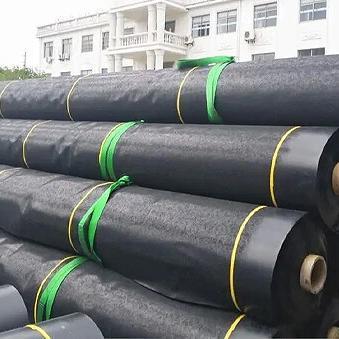
Polyethylene geomembrane is a versatile and widely used synthetic material that plays a crucial role in numerous industrial applications. This high-density polyethylene (HDPE) product is specifically designed to provide excellent resistance to chemicals, UV radiation, and environmental stressors, making it an ideal choice for various sectors, including water management, waste containment, and even energy production.
One of the primary functions of polyethylene geomembrane is to serve as a barrier, preventing the migration of liquids and gases in applications such as landfill liners and pond liners. Its impermeability ensures that contaminants do not leach into the surrounding soil or groundwater, thus safeguarding the environment and public health. This quality is particularly significant in industries that handle hazardous materials, as it helps meet regulatory requirements for waste containment.
In the context of valves, especially diaphragm valves, the use of polyethylene geomembrane can enhance performance and longevity. Diaphragm valves are essential for controlling the flow of fluids in various processes, and incorporating geomembranes into their design can improve sealing capabilities. The resilient nature of polyethylene allows it to maintain its integrity under varying pressure conditions, ensuring reliable performance in demanding environments.
Moreover, polyethylene geomembranes are lightweight and easy to install, which reduces labor costs and time during construction or renovation projects. Their flexibility allows them to conform to various shapes and surfaces, making them suitable for a wide range of applications, from small-scale agricultural uses to large-scale industrial projects.
Another noteworthy benefit of polyethylene geomembrane is its sustainability. Many manufacturers are now producing geomembranes that are recyclable, contributing to a circular economy and reducing waste in landfills. This aspect aligns well with the industry's growing emphasis on environmentally responsible practices, making it an attractive option for companies looking to adopt greener solutions.
In conclusion, polyethylene geomembrane is a fundamental component in various industrial applications, particularly in the realm of valves and diaphragm valves. Its exceptional barrier properties, ease of installation, and sustainability features make it an invaluable material for ensuring safety and efficiency in industrial processes. Understanding its benefits and applications can help professionals make informed decisions when selecting materials for their projects, ultimately enhancing the performance and reliability of their systems.
One of the primary functions of polyethylene geomembrane is to serve as a barrier, preventing the migration of liquids and gases in applications such as landfill liners and pond liners. Its impermeability ensures that contaminants do not leach into the surrounding soil or groundwater, thus safeguarding the environment and public health. This quality is particularly significant in industries that handle hazardous materials, as it helps meet regulatory requirements for waste containment.
In the context of valves, especially diaphragm valves, the use of polyethylene geomembrane can enhance performance and longevity. Diaphragm valves are essential for controlling the flow of fluids in various processes, and incorporating geomembranes into their design can improve sealing capabilities. The resilient nature of polyethylene allows it to maintain its integrity under varying pressure conditions, ensuring reliable performance in demanding environments.
Moreover, polyethylene geomembranes are lightweight and easy to install, which reduces labor costs and time during construction or renovation projects. Their flexibility allows them to conform to various shapes and surfaces, making them suitable for a wide range of applications, from small-scale agricultural uses to large-scale industrial projects.
Another noteworthy benefit of polyethylene geomembrane is its sustainability. Many manufacturers are now producing geomembranes that are recyclable, contributing to a circular economy and reducing waste in landfills. This aspect aligns well with the industry's growing emphasis on environmentally responsible practices, making it an attractive option for companies looking to adopt greener solutions.
In conclusion, polyethylene geomembrane is a fundamental component in various industrial applications, particularly in the realm of valves and diaphragm valves. Its exceptional barrier properties, ease of installation, and sustainability features make it an invaluable material for ensuring safety and efficiency in industrial processes. Understanding its benefits and applications can help professionals make informed decisions when selecting materials for their projects, ultimately enhancing the performance and reliability of their systems.
Previous Page

CONTACT US
Address: Shuangyi Road, Lingcheng District, Dezhou City, Shandong Province


GET A DEDICATED QUOTATION