


Comparing Geomembrane Liners with Other Site Construction Materials: A Comprehensive Guide
Release time:
2026-07-12
Comparing Geomembrane Liners with Other Site Construction Materials Table of Contents 1. Introduction to Geomembrane Liners and Construction Materials 2. Understanding Geomembrane Liners 3. Applications of Geomembrane Liners in Construction 4. Advantages of Using Geomembrane Liners 5. Comparing Geomembrane Liners with Other Construction Materials 6. Cost Analysis of Geomem
Comparing Geomembrane Liners with Other Site Construction Materials
Table of Contents
- 1. Introduction to Geomembrane Liners and Construction Materials
- 2. Understanding Geomembrane Liners
- 3. Applications of Geomembrane Liners in Construction
- 4. Advantages of Using Geomembrane Liners
- 5. Comparing Geomembrane Liners with Other Construction Materials
- 6. Cost Analysis of Geomembranes vs. Other Materials
- 7. Case Studies on Geomembrane Usage
- 8. Environmental Impacts of Geomembrane Liners
- 9. Frequently Asked Questions
- 10. Conclusion
1. Introduction to Geomembrane Liners and Construction Materials
In the realm of construction, the selection of appropriate materials can make a significant difference in project success. Among these materials, **geomembrane liners** have emerged as a preferred choice for various applications, including waste containment, water management, and environmental protection. In this article, we will delve into the characteristics and advantages of geomembrane liners, comparing them to other site construction materials to provide a comprehensive understanding for project managers and stakeholders.
2. Understanding Geomembrane Liners
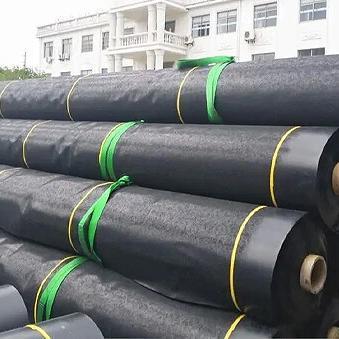
Geomembranes are synthetic liners made from polymers, typically high-density polyethylene (HDPE), low-density polyethylene (LDPE), or polyvinyl chloride (PVC). These materials are designed to be impermeable, preventing the migration of fluids and gases through their structure.
**Key Characteristics of Geomembranes:**
- **Durability**: Resistant to environmental factors, including UV radiation and chemical exposure.
- **Flexibility**: Can be tailored to fit various shapes and contours, making them suitable for diverse applications.
- **Cost-Effectiveness**: Often less expensive than traditional materials in the long run due to their durability and low maintenance.
3. Applications of Geomembrane Liners in Construction
Geomembrane liners play a crucial role in a wide range of construction applications, including:
- **Landfills**: Used as a bottom liner to prevent leachate from contaminating groundwater.
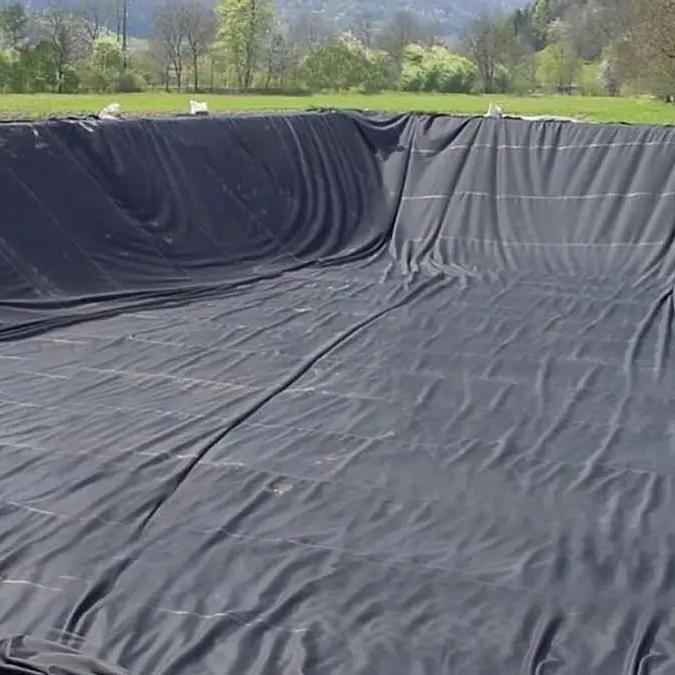
- **Reservoirs and Ponds**: Effective in lining water bodies to reduce evaporation and seepage.
- **Containment Facilities**: Ideal for hazardous waste containment, ensuring environmental safety.
Their versatile nature allows them to adapt to various environmental conditions, making them an essential material in modern construction.
4. Advantages of Using Geomembrane Liners
The decision to use geomembrane liners in construction projects comes with a multitude of benefits:
- **Enhanced Protection**: Provides an effective barrier against chemical, physical, and biological hazards.
- **Environmental Compliance**: Helps ensure projects meet stringent environmental regulations.
- **Efficient Water Management**: Reduces water loss and contamination, making it ideal for agricultural and mining operations.
These advantages position geomembrane liners as a superior choice for many construction needs.
5. Comparing Geomembrane Liners with Other Construction Materials
When comparing geomembrane liners with traditional construction materials such as concrete, clay, and other synthetic liners, several factors come into play:
5.1 Geomembranes vs. Concrete
Concrete is often utilized for its compressive strength but lacks the flexibility and impermeability of geomembranes. While concrete offers structural benefits, it can crack over time, leading to potential leakage. In contrast, geomembranes maintain their integrity and can adapt to ground movement.
5.2 Geomembranes vs. Clay Liners
Clay liners are a traditional solution for containment but require specific moisture conditions to retain impermeability. Geomembranes, on the other hand, do not rely on moisture and provide a more consistent barrier against contaminants.
5.3 Geomembranes vs. Other Synthetic Liners
When compared to other synthetic liners, geomembranes often outperform in durability and ease of installation. Their robustness allows them to withstand harsh environmental conditions better than many alternatives.
6. Cost Analysis of Geomembranes vs. Other Materials
Cost is a significant factor in decision-making for construction projects. While the initial investment in geomembrane liners may be higher than some traditional materials, their long-term durability leads to lower maintenance costs and reduced risk of failure.
**Breakdown of Costs:**
- **Initial Material Costs**: Geomembranes may appear pricier up front, but this is offset by their lifespan.
- **Installation Costs**: Installation is often simpler and faster compared to traditional materials, saving on labor costs.
- **Maintenance Costs**: Their resilience leads to fewer repairs and replacements over time.
Businesses should consider the total cost of ownership rather than just initial expenditures.
7. Case Studies on Geomembrane Usage
Examining real-world applications of geomembrane liners can provide valuable insights:
- **Case Study 1: Landfill Liners**: A municipal landfill implemented geomembrane liners and reported a 30% reduction in leachate management costs.
- **Case Study 2: Agricultural Reservoirs**: A large-scale agricultural operation utilized geomembranes for water retention, resulting in a significant decrease in water usage and increased crop yield.
These examples illustrate the practical benefits and financial savings that can be achieved through the strategic use of geomembrane liners.
8. Environmental Impacts of Geomembrane Liners
Environmental considerations are paramount in construction projects. Geomembranes contribute positively by preventing contamination and supporting compliance with environmental regulations.
**Benefits for the Environment:**
- **Reduced Soil and Water Contamination**: The impermeable nature of geomembranes protects surrounding environments.
- **Sustainability**: Many geomembranes are recyclable, minimizing waste and promoting a circular economy.
Incorporating geomembranes into construction strategies not only benefits projects but also supports broader environmental goals.
9. Frequently Asked Questions
1. What are geomembrane liners made of?
Geomembrane liners are primarily made from synthetic polymers, including HDPE, LDPE, and PVC.
2. How long do geomembrane liners last?
With proper installation and maintenance, geomembrane liners can last 20 to 30 years or more.
3. Are geomembrane liners environmentally friendly?
Yes, geomembranes provide environmental protection by preventing contamination and can be recycled after use.
4. Can geomembranes be used in cold climates?
Yes, geomembranes are designed to withstand a range of temperatures and can be effectively used in cold climates with appropriate installation techniques.
5. What factors should I consider when choosing a liner for my project?
Consider factors such as the type of containment required, environmental conditions, budget constraints, and regulatory compliance.
10. Conclusion
Geomembrane liners represent a modern solution for various construction challenges, offering unparalleled advantages over traditional materials. Their durability, flexibility, and cost-effectiveness make them an essential choice for project managers looking to ensure environmental compliance while maximizing efficiency. By understanding the differences and applications of geomembranes, stakeholders can make informed decisions that lead to successful project outcomes. As the industry continues to evolve, embracing innovative materials like geomembranes will undoubtedly shape the future of construction.
Previous Page
CONTACT US
Address: Shuangyi Road, Lingcheng District, Dezhou City, Shandong Province


GET A DEDICATED QUOTATION