


Understanding PE Geomembranes: A Critical Component in Construction and Land Development
Release time:
2026-07-27
Polyethylene (PE) geomembranes are synthetic liners made from high-density polyethylene (HDPE) or low-density polyethylene (LDPE) that serve as impermeable barriers in various construction and environmental applications. As a crucial component in the construction and decoration materials sector, PE geomembranes are primarily utilized to control water seepage, prevent contamination, and manage wast
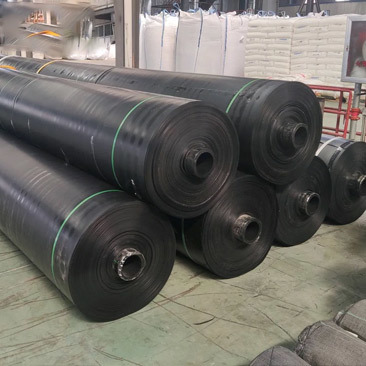
Polyethylene (PE) geomembranes are synthetic liners made from high-density polyethylene (HDPE) or low-density polyethylene (LDPE) that serve as impermeable barriers in various construction and environmental applications. As a crucial component in the construction and decoration materials sector, PE geomembranes are primarily utilized to control water seepage, prevent contamination, and manage waste. Their versatility and effectiveness have made them increasingly popular in a wide array of projects including landfill construction, aquaculture, and water containment systems.
One of the primary advantages of PE geomembranes is their excellent impermeability. This characteristic makes them highly effective in preventing the migration of liquids, which is essential in applications such as landfill liners where preventing leachate from contaminating the surrounding soil and water sources is critical. Their impermeable nature not only helps in environmental protection but also ensures compliance with regulations governing waste management.
In addition to their impermeable properties, PE geomembranes exhibit remarkable chemical resistance. They can withstand exposure to various chemicals commonly found in construction and industrial environments, making them ideal for applications in chemical storage, wastewater treatment, and mining operations. This durability contributes to their longevity and reduces the need for frequent replacements, ultimately leading to cost savings in large-scale projects.
Another notable feature of PE geomembranes is their adaptability. They can be manufactured in a variety of thicknesses and sizes, allowing for customization to meet specific project requirements. Furthermore, they can be installed using different techniques, including welding and adhesive bonding, which can be tailored to the project’s needs. This flexibility enhances their applicability across diverse construction scenarios, from small-scale landscaping to large infrastructure projects.
The installation of PE geomembranes requires careful planning and execution to ensure optimal performance. Professionals in the field must consider factors such as site conditions, load-bearing requirements, and environmental regulations during the installation process. Proper training and adherence to industry standards are crucial to avoid potential issues, such as punctures or inadequate sealing, which could compromise the geomembrane’s integrity.
In summary, PE geomembranes play a vital role in modern construction and land development. Their impermeability, chemical resistance, and adaptability make them an essential material for managing environmental concerns and ensuring project longevity. As the construction industry continues to evolve, understanding the benefits and applications of PE geomembranes will help professionals make informed decisions that enhance the sustainability and success of their projects.
One of the primary advantages of PE geomembranes is their excellent impermeability. This characteristic makes them highly effective in preventing the migration of liquids, which is essential in applications such as landfill liners where preventing leachate from contaminating the surrounding soil and water sources is critical. Their impermeable nature not only helps in environmental protection but also ensures compliance with regulations governing waste management.
In addition to their impermeable properties, PE geomembranes exhibit remarkable chemical resistance. They can withstand exposure to various chemicals commonly found in construction and industrial environments, making them ideal for applications in chemical storage, wastewater treatment, and mining operations. This durability contributes to their longevity and reduces the need for frequent replacements, ultimately leading to cost savings in large-scale projects.
Another notable feature of PE geomembranes is their adaptability. They can be manufactured in a variety of thicknesses and sizes, allowing for customization to meet specific project requirements. Furthermore, they can be installed using different techniques, including welding and adhesive bonding, which can be tailored to the project’s needs. This flexibility enhances their applicability across diverse construction scenarios, from small-scale landscaping to large infrastructure projects.
The installation of PE geomembranes requires careful planning and execution to ensure optimal performance. Professionals in the field must consider factors such as site conditions, load-bearing requirements, and environmental regulations during the installation process. Proper training and adherence to industry standards are crucial to avoid potential issues, such as punctures or inadequate sealing, which could compromise the geomembrane’s integrity.
In summary, PE geomembranes play a vital role in modern construction and land development. Their impermeability, chemical resistance, and adaptability make them an essential material for managing environmental concerns and ensuring project longevity. As the construction industry continues to evolve, understanding the benefits and applications of PE geomembranes will help professionals make informed decisions that enhance the sustainability and success of their projects.
Previous Page

CONTACT US
Address: Shuangyi Road, Lingcheng District, Dezhou City, Shandong Province


GET A DEDICATED QUOTATION