


Understanding Geomembrane Material: Essential Insights for Construction Professionals
Release time:
2026-09-05
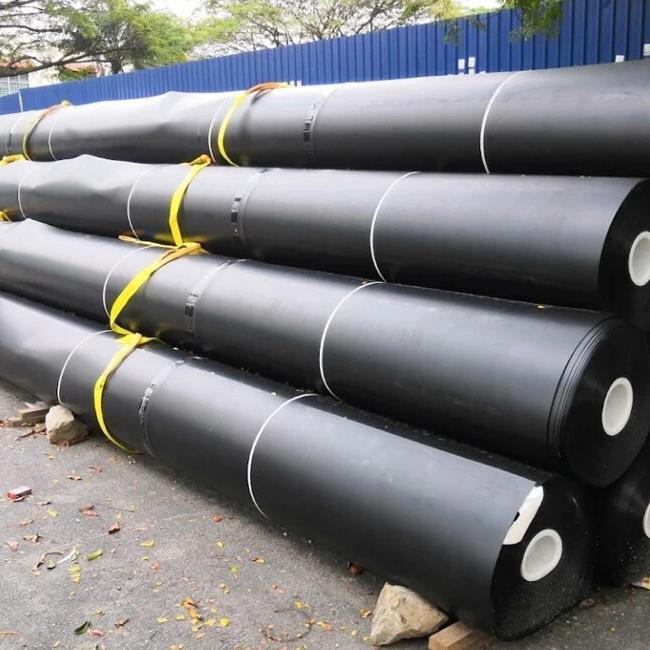
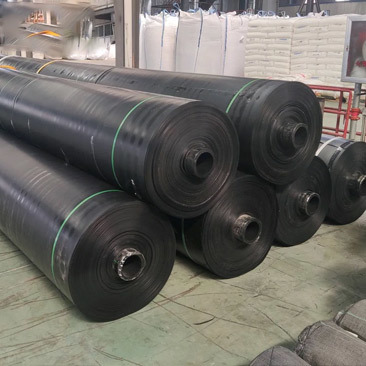
Geomembrane material is an essential component in modern construction and civil engineering, particularly in applications involving environmental protection and water management. This versatile material primarily serves as a barrier to prevent fluid migration, making it invaluable in a variety of projects ranging from landfill liners to pond liners and tunnel sealing. One of the key attributes of
Geomembrane material is an essential component in modern construction and civil engineering, particularly in applications involving environmental protection and water management. This versatile material primarily serves as a barrier to prevent fluid migration, making it invaluable in a variety of projects ranging from landfill liners to pond liners and tunnel sealing.
One of the key attributes of geomembrane material is its impermeability. Typically manufactured from high-density polyethylene (HDPE), linear low-density polyethylene (LLDPE), or polyvinyl chloride (PVC), these materials are engineered to resist chemical and physical degradation. This durability ensures that geomembranes maintain their effectiveness over time, thereby safeguarding the integrity of surrounding environments against contaminants.
In addition to their impermeability, geomembranes possess excellent flexibility and elongation properties. This makes them suitable for installation in various terrains, accommodating ground movements and settlement without compromising performance. For construction professionals, selecting the right geomembrane material can significantly affect project outcomes, particularly in terms of durability and environmental compliance.
Another important consideration is the method of installation. Geomembrane materials can be deployed using various techniques, including welding, mechanical fastening, or adhesive bonding. Each method has its own advantages and is influenced by project specifications, site conditions, and the intended use of the geomembrane. Understanding these installation methods is crucial for professionals to ensure that the geomembrane performs as intended throughout its lifecycle.
Furthermore, the selection of geomembrane material should also take into account environmental factors and regulatory requirements. Different regions may have specific regulations governing the use of geomembranes in construction, particularly in sensitive areas such as wetlands or near water bodies. Professionals should stay informed about these regulations to ensure compliance and to select materials that meet or exceed industry standards.
The applications of geomembrane materials extend beyond just containment for hazardous materials. They are also utilized in water conservation projects, stormwater management systems, and even agricultural applications. Their versatility makes geomembranes an essential tool for addressing a variety of engineering challenges.
In conclusion, geomembrane material plays a critical role in modern construction, offering solutions for fluid containment and environmental protection. Construction professionals must understand the properties, installation methods, and regulatory considerations related to geomembranes to ensure successful project execution. By leveraging the benefits of geomembranes, industry experts can enhance the sustainability and safety of their projects while protecting the environment.
One of the key attributes of geomembrane material is its impermeability. Typically manufactured from high-density polyethylene (HDPE), linear low-density polyethylene (LLDPE), or polyvinyl chloride (PVC), these materials are engineered to resist chemical and physical degradation. This durability ensures that geomembranes maintain their effectiveness over time, thereby safeguarding the integrity of surrounding environments against contaminants.
In addition to their impermeability, geomembranes possess excellent flexibility and elongation properties. This makes them suitable for installation in various terrains, accommodating ground movements and settlement without compromising performance. For construction professionals, selecting the right geomembrane material can significantly affect project outcomes, particularly in terms of durability and environmental compliance.
Another important consideration is the method of installation. Geomembrane materials can be deployed using various techniques, including welding, mechanical fastening, or adhesive bonding. Each method has its own advantages and is influenced by project specifications, site conditions, and the intended use of the geomembrane. Understanding these installation methods is crucial for professionals to ensure that the geomembrane performs as intended throughout its lifecycle.
Furthermore, the selection of geomembrane material should also take into account environmental factors and regulatory requirements. Different regions may have specific regulations governing the use of geomembranes in construction, particularly in sensitive areas such as wetlands or near water bodies. Professionals should stay informed about these regulations to ensure compliance and to select materials that meet or exceed industry standards.
The applications of geomembrane materials extend beyond just containment for hazardous materials. They are also utilized in water conservation projects, stormwater management systems, and even agricultural applications. Their versatility makes geomembranes an essential tool for addressing a variety of engineering challenges.
In conclusion, geomembrane material plays a critical role in modern construction, offering solutions for fluid containment and environmental protection. Construction professionals must understand the properties, installation methods, and regulatory considerations related to geomembranes to ensure successful project execution. By leveraging the benefits of geomembranes, industry experts can enhance the sustainability and safety of their projects while protecting the environment.
Previous Page
CONTACT US
Address: Shuangyi Road, Lingcheng District, Dezhou City, Shandong Province


GET A DEDICATED QUOTATION