


Understanding Geomembrane Materials: Essential Insights for Construction Professionals
Release time:
2026-03-11
Geomembrane materials are essential components in various construction and civil engineering applications, particularly in areas that require effective barrier systems. These materials are primarily used for containment, separation, and protection in construction projects, making them invaluable for professionals in the field. A geomembrane is a synthetic membrane that is impermeable and is used
Geomembrane materials are essential components in various construction and civil engineering applications, particularly in areas that require effective barrier systems. These materials are primarily used for containment, separation, and protection in construction projects, making them invaluable for professionals in the field.
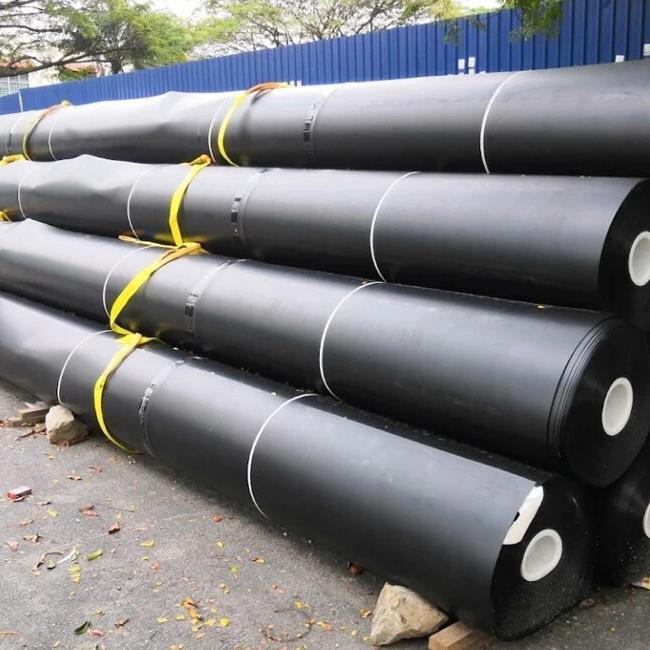
A geomembrane is a synthetic membrane that is impermeable and is used in geotechnical engineering to control fluid migration in a human-made project, structure, or system. They are predominantly made from materials such as polyethylene, polypropylene, or polyvinyl chloride (PVC). Each material offers unique properties that cater to specific environmental conditions and project requirements. For instance, high-density polyethylene (HDPE) geomembranes are known for their excellent chemical resistance, making them ideal for landfill and chemical containment applications.
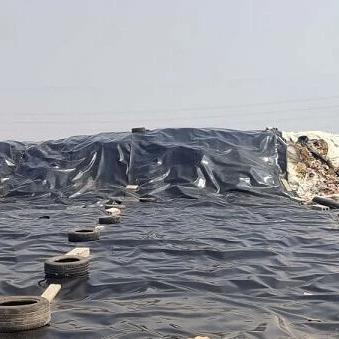
The application of geomembrane materials spans a wide range of uses, from lining ponds and landfills to serving as barriers against groundwater contamination. Their robustness and durability minimize the risk of leaks and ensure long-term performance, making them a critical consideration in project planning. Additionally, the installation of geomembranes can significantly reduce maintenance costs and environmental impact, enhancing the overall sustainability of construction projects.
It’s important for professionals to understand the installation procedures and best practices associated with geomembrane materials. Proper installation not only secures the intended functionality but also prolongs the lifespan of the geomembrane system. Factors such as site preparation, seam welding techniques, and the use of protective geotextiles all play critical roles in ensuring a successful installation.
Furthermore, choosing the right type of geomembrane material depends on several considerations, including the environmental conditions, the type of project, and the specific regulatory requirements. Professionals should conduct thorough assessments to determine which geomembrane will best suit their needs, ensuring compliance with local regulations and environmental standards.
In conclusion, geomembrane materials are an integral part of modern construction practices. By understanding their properties, applications, and installation methods, professionals can enhance project efficiency and effectiveness while minimizing environmental impact. As the demand for sustainable construction practices continues to rise, familiarizing oneself with this key material will undoubtedly provide a competitive edge in the construction industry.
A geomembrane is a synthetic membrane that is impermeable and is used in geotechnical engineering to control fluid migration in a human-made project, structure, or system. They are predominantly made from materials such as polyethylene, polypropylene, or polyvinyl chloride (PVC). Each material offers unique properties that cater to specific environmental conditions and project requirements. For instance, high-density polyethylene (HDPE) geomembranes are known for their excellent chemical resistance, making them ideal for landfill and chemical containment applications.
The application of geomembrane materials spans a wide range of uses, from lining ponds and landfills to serving as barriers against groundwater contamination. Their robustness and durability minimize the risk of leaks and ensure long-term performance, making them a critical consideration in project planning. Additionally, the installation of geomembranes can significantly reduce maintenance costs and environmental impact, enhancing the overall sustainability of construction projects.
It’s important for professionals to understand the installation procedures and best practices associated with geomembrane materials. Proper installation not only secures the intended functionality but also prolongs the lifespan of the geomembrane system. Factors such as site preparation, seam welding techniques, and the use of protective geotextiles all play critical roles in ensuring a successful installation.
Furthermore, choosing the right type of geomembrane material depends on several considerations, including the environmental conditions, the type of project, and the specific regulatory requirements. Professionals should conduct thorough assessments to determine which geomembrane will best suit their needs, ensuring compliance with local regulations and environmental standards.
In conclusion, geomembrane materials are an integral part of modern construction practices. By understanding their properties, applications, and installation methods, professionals can enhance project efficiency and effectiveness while minimizing environmental impact. As the demand for sustainable construction practices continues to rise, familiarizing oneself with this key material will undoubtedly provide a competitive edge in the construction industry.
CONTACT US
Address: Shuangyi Road, Lingcheng District, Dezhou City, Shandong Province


GET A DEDICATED QUOTATION