


Composite Geomembranes: The Key to Effective Groundwater Protection
Release time:
2026-03-12
Composite Geomembranes: The Key to Effective Groundwater Protection Table of Contents Introduction to Composite Geomembranes What Are Composite Geomembranes? Benefits of Composite Geomembranes in Groundwater Protection Applications of Composite Geomembranes Installation Techniques for Composite Geomembranes Maintenance and Monitoring of Composite Geomembranes Environme
Composite Geomembranes: The Key to Effective Groundwater Protection
Table of Contents
- Introduction to Composite Geomembranes
- What Are Composite Geomembranes?
- Benefits of Composite Geomembranes in Groundwater Protection
- Applications of Composite Geomembranes
- Installation Techniques for Composite Geomembranes
- Maintenance and Monitoring of Composite Geomembranes
- Environmental Impact of Composite Geomembranes
- The Future of Composite Geomembranes in Groundwater Protection
- FAQs about Composite Geomembranes
- Conclusion
Introduction to Composite Geomembranes
Composite geomembranes play a pivotal role in modern engineering and environmental protection. As the demand for sustainable construction materials grows, these innovative membranes are increasingly recognized for their efficiency in preventing groundwater contamination. Their unique structure combines two or more layers, typically featuring a polymer core encapsulated in a protective layer, providing both durability and functionality.
In this article, we will examine the various aspects of composite geomembranes, from their construction and benefits to their applications in different industries. This in-depth exploration will help you understand why composite geomembranes are essential for effective groundwater protection.
What Are Composite Geomembranes?
Composite geomembranes are impermeable barriers used in various applications to contain liquids and protect groundwater from contamination. They typically consist of a synthetic polymer layer, such as high-density polyethylene (HDPE), coupled with a geotextile or another protective layer. This multi-layer construction enhances resistance to punctures, tears, and environmental degradation, ensuring long-term performance.
The combination of materials in composite geomembranes allows them to offer superior mechanical properties, chemical resistance, and UV stability, making them ideal for environments where reliable groundwater protection is critical.
Benefits of Composite Geomembranes in Groundwater Protection
Composite geomembranes offer numerous benefits that make them an optimal choice for groundwater protection:
1. Enhanced Durability
The layered construction of composite geomembranes provides significant durability against external environmental factors, such as UV radiation, temperature fluctuations, and chemical exposure. This durability ensures long-lasting performance even in harsh conditions.
2. Superior Impermeability
One of the primary functions of composite geomembranes is their ability to act as a barrier against liquid migration. Their low permeability ensures that contaminants do not seep into groundwater, safeguarding this vital resource.
3. Cost-Effectiveness
While the initial investment in composite geomembranes may be higher than traditional methods, their long-term benefits often outweigh the costs. Reduced maintenance and extended lifespans contribute to overall cost savings.
4. Versatility in Applications
Composite geomembranes can be used in a wide range of applications, from landfill liners to agricultural ponds, making them a versatile choice for various industries.
5. Environmental Sustainability
By preventing groundwater contamination, composite geomembranes play a crucial role in environmental protection. Their use contributes to sustainable practices in waste management, construction, and agriculture.
Applications of Composite Geomembranes
Composite geomembranes are utilized across various sectors, each benefiting from their unique properties:
1. Landfill Liners
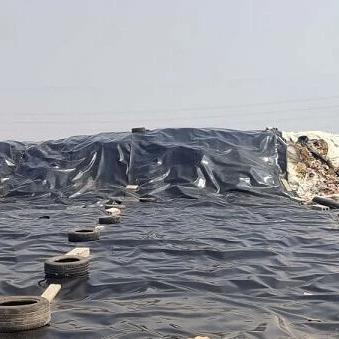
In landfill applications, composite geomembranes serve as liners to prevent leachate from contaminating surrounding soil and groundwater. Their impermeability and resistance to chemicals make them ideal for this purpose.
2. Water Reservoirs
Composite geomembranes are employed in the construction of water reservoirs and retention ponds, ensuring that water remains uncontaminated and that evaporation is minimized.
3. Agricultural Applications
In agriculture, these geomembranes can be used for irrigation ponds and waste containment, effectively managing water resources and preventing pesticide runoff.
4. Mining Operations
In the mining industry, composite geomembranes are crucial for tailings storage facilities and containment of hazardous materials, protecting groundwater from potential pollutants.
5. Aquaculture
Composite geomembranes are increasingly used in aquaculture for pond liners, ensuring a controlled environment for fish farming while preventing water loss and contamination.
Installation Techniques for Composite Geomembranes
The effectiveness of composite geomembranes largely depends on proper installation techniques. Here are essential steps to ensure successful installation:
1. Site Preparation
Before installation, the site must be carefully prepared. This involves grading the area to create a smooth surface, removing sharp objects, and ensuring proper drainage.
2. Material Handling
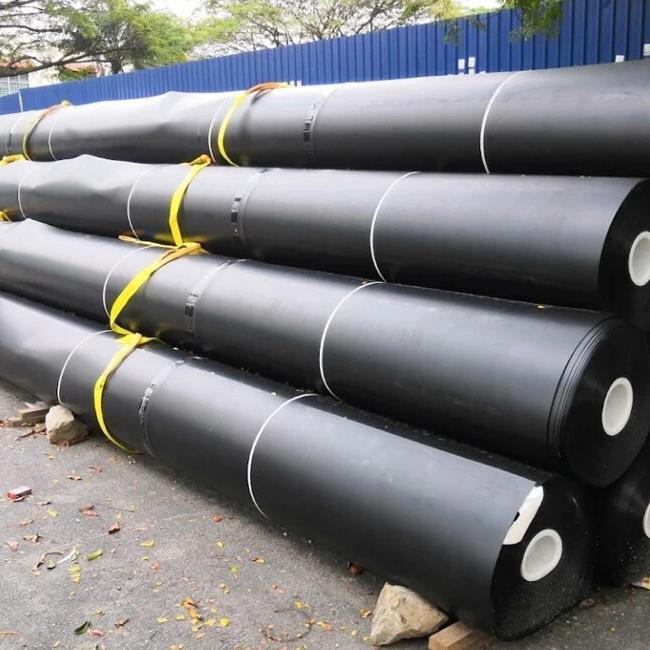
Composite geomembranes should be handled with care to avoid damage. Proper storage and transportation methods can prevent tears or punctures.
3. Seam Welding
Seams are critical in ensuring the integrity of composite geomembranes. Techniques such as thermal or extruder welding are commonly employed to create strong, impermeable connections between sheets.
4. Quality Control
After installation, thorough inspection and testing must be conducted to ensure that the geomembrane is fully sealed and functioning as intended. This step is vital for long-term performance.
Maintenance and Monitoring of Composite Geomembranes
To ensure the longevity and effectiveness of composite geomembranes, ongoing maintenance and monitoring are essential:
1. Regular Inspections
Routine inspections help identify any signs of wear or damage. Early detection of issues can prevent significant problems down the line.
2. Maintenance Protocols
Establishing clear maintenance protocols is crucial. This includes cleaning procedures to remove debris and potential contaminants.
3. Monitoring Environmental Conditions
Monitoring environmental conditions such as groundwater levels and chemical concentrations can help assess the geomembrane's performance and effectiveness in protecting groundwater.
Environmental Impact of Composite Geomembranes
The use of composite geomembranes has a profound environmental impact, primarily through their role in protecting groundwater. By preventing contamination, they help maintain healthy ecosystems and support sustainable resource management. Moreover, their durability reduces the need for frequent repairs or replacements, further minimizing environmental disruption.
The Future of Composite Geomembranes in Groundwater Protection
As the emphasis on environmental sustainability continues to grow, the demand for composite geomembranes is expected to rise. Innovations in materials and manufacturing processes will likely enhance their effectiveness and broaden their applications. Future developments may focus on integrating smart sensors for real-time monitoring of geomembrane integrity, ensuring even greater protection of groundwater resources.
FAQs about Composite Geomembranes
1. What are the main materials used in composite geomembranes?
The primary materials include high-density polyethylene (HDPE), low-density polyethylene (LDPE), and geotextiles, which provide additional protection against punctures and tears.
2. How long do composite geomembranes last?
With proper installation and maintenance, composite geomembranes can last for decades, often exceeding 20 years of effective service.
3. Can composite geomembranes be recycled?
Yes, some composite geomembranes can be recycled, depending on the materials used. However, recycling processes may vary, and it's essential to consult manufacturers for specific guidelines.
4. Are composite geomembranes resistant to UV radiation?
Most composite geomembranes are designed to resist UV radiation, ensuring their performance in outdoor applications where exposure to sunlight is a concern.
5. How do I choose the right composite geomembrane for my project?
Selecting the appropriate geomembrane involves considering factors such as the intended application, environmental conditions, chemical exposure, and budget. Consulting with manufacturers or industry experts can provide valuable insights.
Conclusion
Composite geomembranes are crucial in the quest for effective groundwater protection, combining durability, impermeability, and versatility in their applications. As we face increasing environmental challenges, the importance of these advanced materials cannot be overstated. Their role in preventing contamination ensures the sustainability of vital water resources, making them an essential component of modern construction and environmental management practices. Embracing composite geomembranes is a proactive step toward safeguarding our groundwater and promoting a healthier planet for future generations.
CONTACT US
Address: Shuangyi Road, Lingcheng District, Dezhou City, Shandong Province


GET A DEDICATED QUOTATION