


Understanding Geomembrane Materials: Essential Insights for Construction Professionals
Release time:
2026-04-18
Geomembrane materials are synthetic membranes used primarily for containment and separation in various construction and environmental projects. These materials are vital in applications such as landfill liners, pond liners, and water management systems, where they serve to prevent the migration of liquids and gases. Understanding geomembrane materials is essential for professionals in the construc
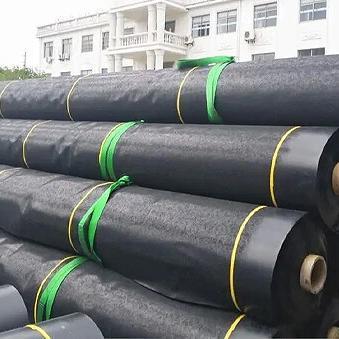
Geomembrane materials are synthetic membranes used primarily for containment and separation in various construction and environmental projects. These materials are vital in applications such as landfill liners, pond liners, and water management systems, where they serve to prevent the migration of liquids and gases. Understanding geomembrane materials is essential for professionals in the construction and decoration industry, particularly those involved in site construction materials.
One of the most significant characteristics of geomembrane materials is their impermeability. Typically made from polymers such as polyethylene, polypropylene, or polyvinyl chloride (PVC), these materials are designed to withstand a range of environmental conditions while maintaining their barrier properties. Their durability and resistance to punctures, UV rays, and chemical exposure make them suitable for long-term applications in harsh environments.
In addition to their impermeable nature, geomembranes are lightweight, flexible, and easy to install. This versatility allows for their use in various applications, such as water reservoirs, agricultural ponds, and mining operations. For construction professionals, the ease of handling and installation can significantly reduce labor costs and project timelines.
Another critical aspect of geomembrane materials is their environmental benefits. When used as liners in landfills or waste containment facilities, these materials help to minimize leachate and prevent soil and groundwater contamination. This is particularly important in today's construction practices, where sustainability and environmental responsibility are paramount. By utilizing geomembrane materials, professionals can contribute to eco-friendly construction efforts while ensuring compliance with environmental regulations.
Moreover, the selection of the appropriate geomembrane material depends on the specific use case and environmental conditions. Factors such as chemical compatibility, temperature, and the anticipated loads should be considered when choosing a geomembrane for a project. Professionals should conduct thorough site assessments and consult material specifications to ensure optimal performance and longevity.
In summary, geomembrane materials are essential components in various construction applications, offering durability, flexibility, and environmental protection. Understanding their properties and benefits allows construction professionals to make informed decisions that enhance project outcomes. By integrating geomembrane materials into their practices, professionals can achieve effective containment solutions while promoting sustainable construction methodologies.
One of the most significant characteristics of geomembrane materials is their impermeability. Typically made from polymers such as polyethylene, polypropylene, or polyvinyl chloride (PVC), these materials are designed to withstand a range of environmental conditions while maintaining their barrier properties. Their durability and resistance to punctures, UV rays, and chemical exposure make them suitable for long-term applications in harsh environments.
In addition to their impermeable nature, geomembranes are lightweight, flexible, and easy to install. This versatility allows for their use in various applications, such as water reservoirs, agricultural ponds, and mining operations. For construction professionals, the ease of handling and installation can significantly reduce labor costs and project timelines.
Another critical aspect of geomembrane materials is their environmental benefits. When used as liners in landfills or waste containment facilities, these materials help to minimize leachate and prevent soil and groundwater contamination. This is particularly important in today's construction practices, where sustainability and environmental responsibility are paramount. By utilizing geomembrane materials, professionals can contribute to eco-friendly construction efforts while ensuring compliance with environmental regulations.
Moreover, the selection of the appropriate geomembrane material depends on the specific use case and environmental conditions. Factors such as chemical compatibility, temperature, and the anticipated loads should be considered when choosing a geomembrane for a project. Professionals should conduct thorough site assessments and consult material specifications to ensure optimal performance and longevity.
In summary, geomembrane materials are essential components in various construction applications, offering durability, flexibility, and environmental protection. Understanding their properties and benefits allows construction professionals to make informed decisions that enhance project outcomes. By integrating geomembrane materials into their practices, professionals can achieve effective containment solutions while promoting sustainable construction methodologies.

CONTACT US
Address: Shuangyi Road, Lingcheng District, Dezhou City, Shandong Province


GET A DEDICATED QUOTATION