


Understanding Composite Geomembranes: Essential Insights for Construction and Landscaping
Release time:
2026-05-28
Composite geomembranes are a vital component in the construction and landscaping industries, particularly in applications requiring effective containment and waterproofing. These materials are engineered from multiple layers, typically combining a geomembrane with geotextiles or other substrates. This unique structure provides enhanced durability, flexibility, and resistance to environmental facto
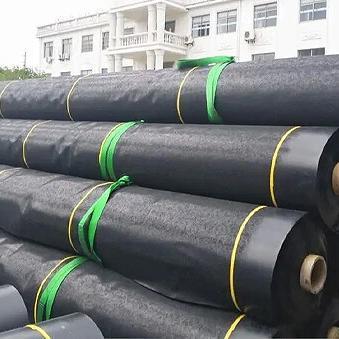
Composite geomembranes are a vital component in the construction and landscaping industries, particularly in applications requiring effective containment and waterproofing. These materials are engineered from multiple layers, typically combining a geomembrane with geotextiles or other substrates. This unique structure provides enhanced durability, flexibility, and resistance to environmental factors, making composite geomembranes suitable for various applications, including landfill liners, water containment, and soil stabilization.
One of the standout features of composite geomembranes is their exceptional resistance to puncturing and tearing. This resilience is crucial in construction projects where heavy machinery may be present, or when the materials are subjected to harsh environmental conditions. By integrating geotextiles into the design, these geomembranes also improve filtration and drainage capabilities, mitigating the risk of water accumulation and ensuring the longevity of the structure.
Moreover, the use of composite geomembranes contributes to sustainability within the construction sector. Their effectiveness in preventing water pollution and controlling leachate from landfills can significantly reduce the environmental impact of construction projects. Additionally, their lightweight nature and ease of installation help minimize labor costs and time on site, further enhancing the overall efficiency of construction operations.
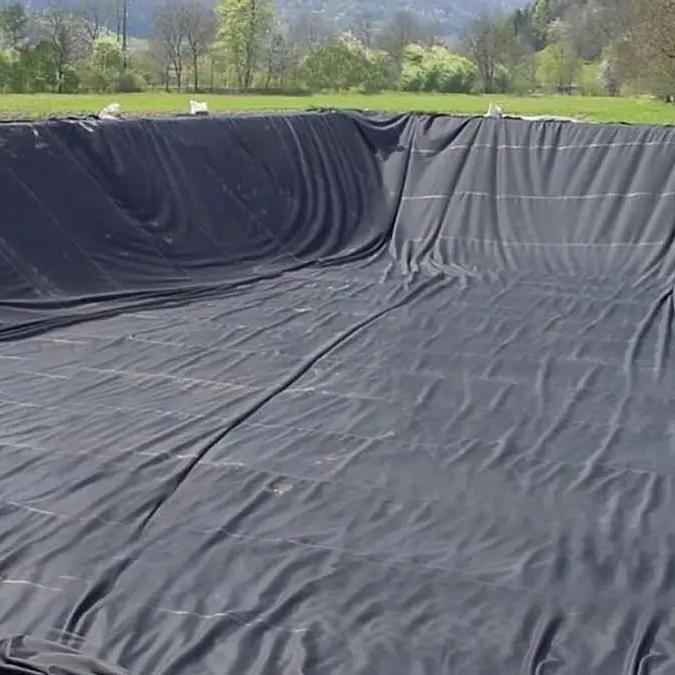
In applications such as ponds, reservoirs, and irrigation systems, composite geomembranes serve as a crucial barrier against leakage. By effectively preventing water loss, they not only support water conservation efforts but also protect surrounding ecosystems from potential contamination. This characteristic is particularly vital in regions where water is scarce, making composite geomembranes an essential tool for responsible resource management.
Furthermore, the versatility of composite geomembranes allows for their use in various soil conditions and topographies. Their adaptability means they can be tailored to meet specific project requirements, ensuring optimal performance regardless of environmental challenges. Engineers and contractors often choose composite options for their ability to provide long-term solutions, reducing the need for frequent repairs or replacements.
In summary, composite geomembranes stand out as indispensable materials within the construction and landscaping industries. Their unique combination of strength, flexibility, and environmental benefits make them suitable for a wide range of applications. Understanding their properties and advantages can equip professionals in the field with the knowledge necessary to make informed decisions, ultimately leading to more successful and sustainable projects. As the demand for environmentally friendly and efficient construction practices continues to grow, the role of composite geomembranes will likely expand, paving the way for innovative solutions in the future.
One of the standout features of composite geomembranes is their exceptional resistance to puncturing and tearing. This resilience is crucial in construction projects where heavy machinery may be present, or when the materials are subjected to harsh environmental conditions. By integrating geotextiles into the design, these geomembranes also improve filtration and drainage capabilities, mitigating the risk of water accumulation and ensuring the longevity of the structure.
Moreover, the use of composite geomembranes contributes to sustainability within the construction sector. Their effectiveness in preventing water pollution and controlling leachate from landfills can significantly reduce the environmental impact of construction projects. Additionally, their lightweight nature and ease of installation help minimize labor costs and time on site, further enhancing the overall efficiency of construction operations.
In applications such as ponds, reservoirs, and irrigation systems, composite geomembranes serve as a crucial barrier against leakage. By effectively preventing water loss, they not only support water conservation efforts but also protect surrounding ecosystems from potential contamination. This characteristic is particularly vital in regions where water is scarce, making composite geomembranes an essential tool for responsible resource management.
Furthermore, the versatility of composite geomembranes allows for their use in various soil conditions and topographies. Their adaptability means they can be tailored to meet specific project requirements, ensuring optimal performance regardless of environmental challenges. Engineers and contractors often choose composite options for their ability to provide long-term solutions, reducing the need for frequent repairs or replacements.
In summary, composite geomembranes stand out as indispensable materials within the construction and landscaping industries. Their unique combination of strength, flexibility, and environmental benefits make them suitable for a wide range of applications. Understanding their properties and advantages can equip professionals in the field with the knowledge necessary to make informed decisions, ultimately leading to more successful and sustainable projects. As the demand for environmentally friendly and efficient construction practices continues to grow, the role of composite geomembranes will likely expand, paving the way for innovative solutions in the future.
CONTACT US
Address: Shuangyi Road, Lingcheng District, Dezhou City, Shandong Province


GET A DEDICATED QUOTATION