


Geomembrane Material: A Key Component in Environmental Engineering
Release time:
2026-05-23
Geomembrane Material: A Key Component in Environmental Engineering Introduction to Geomembranes In the ever-evolving world of environmental engineering, **geomembranes** stand out as a **crucial material** in various applications. These synthetic membrane liners, designed to retain liquids and waste, are pivotal in projects such as landfill construction, water reservoirs, and waste containment.
Geomembrane Material: A Key Component in Environmental Engineering
Introduction to Geomembranes
In the ever-evolving world of environmental engineering, **geomembranes** stand out as a **crucial material** in various applications. These synthetic membrane liners, designed to retain liquids and waste, are pivotal in projects such as landfill construction, water reservoirs, and waste containment. This article dives deep into the significance of geomembrane materials, exploring their properties, applications, benefits, and advancements.
What Are Geomembranes?
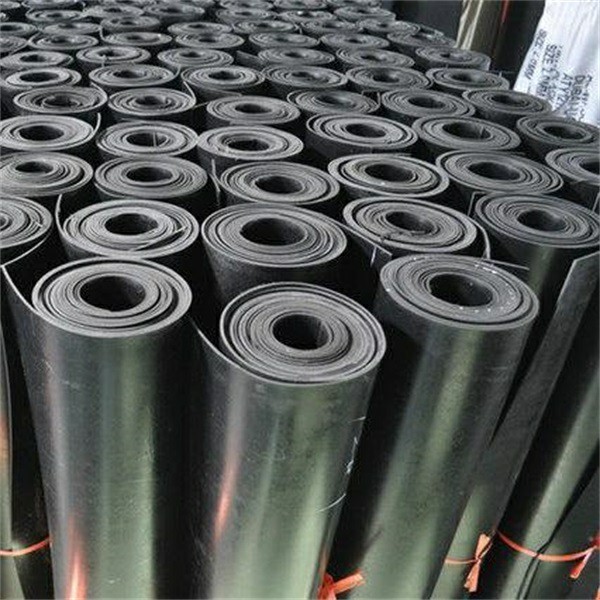
Geomembranes are impermeable sheets made from polymer materials, primarily used in **geotechnical engineering** applications. They serve as barriers to control fluid migration in a variety of environmental projects. These materials can be composed of various polymers, including:
- High-Density Polyethylene (HDPE)
- Low-Density Polyethylene (LDPE)
- Polyvinyl Chloride (PVC)
- Ethylene Propylene Diene Monomer (EPDM)
Each type of geomembrane offers unique characteristics suitable for specific applications, contributing to their **growing significance** in environmental engineering.
The Structure of Geomembranes
Geomembranes typically have a smooth or textured surface and can vary in thickness from 0.5 mm to over 3 mm. Their structure is designed to withstand environmental stressors such as UV radiation, temperature fluctuations, and chemical exposure. This durability is essential for maintaining the integrity of containment systems.
Applications of Geomembranes in Environmental Engineering
The versatility of geomembranes makes them ideal for a wide range of applications. Below are some key areas where these materials play a vital role:
1. Landfill Liners
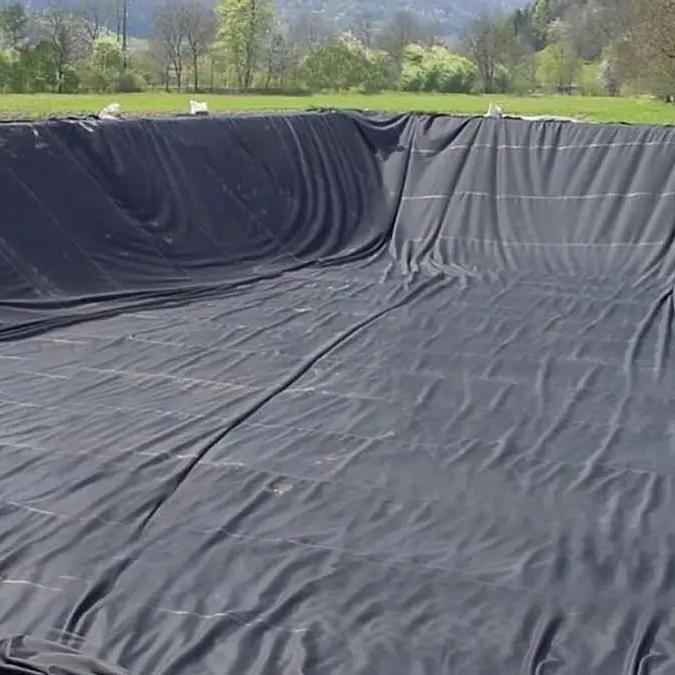
Landfills use geomembranes as liners to prevent leachate from contaminating groundwater. These liners ensure that potentially harmful substances remain contained, thereby protecting surrounding ecosystems.
2. Water Reservoirs
In water management, geomembranes are employed to create reservoirs that are both safe and efficient. By acting as a barrier, they minimize evaporation and contamination, ensuring clean water storage.
3. Waste Containment
For hazardous waste storage, geomembranes provide a reliable solution. Their impermeable nature prevents the migration of waste materials while offering a robust safeguard against environmental contamination.
4. Mining Operations
In mining, geomembranes are used for tailings management and heap leach pads. Their ability to retain liquids is critical in ensuring that toxic materials do not seep into the environment.
5. Aquaculture and Agriculture
Geomembranes facilitate water conservation and management in agriculture and aquaculture. They help create ponds and aquatic systems that reduce water loss and improve resource efficiency.
Key Benefits of Using Geomembranes
Integrating geomembrane materials into environmental engineering projects offers numerous benefits, including:
1. Environmental Protection
Geomembranes play a crucial role in safeguarding the environment. By preventing contaminants from migrating into soil and water bodies, they help maintain ecological balance.
2. Cost-effectiveness
Their durability and extended lifespan lead to significant cost savings over time, as less frequent replacements are needed compared to traditional materials.
3. Versatility
Geomembranes can be tailored to meet specific project requirements, making them suitable for various applications across multiple industries.
4. Ease of Installation
The installation process for geomembranes is relatively straightforward, allowing for quicker project completion and reduced labor costs.
5. Resistance to Chemicals and UV Radiation
With the ability to withstand harsh environmental conditions, geomembranes ensure long-term performance even in challenging settings.
Innovations in Geomembrane Technology
The geomembrane industry is continuously evolving, driven by technological advancements and the need for sustainable solutions. Some notable innovations include:
1. Biodegradable Geomembranes
Emerging research focuses on developing **biodegradable geomembranes** that reduce environmental impact while maintaining performance standards.
2. Reinforcement Technologies
Reinforced geomembranes enhance strength and durability, making them suitable for more demanding applications, such as high-stress environments in mining.
3. Smart Geomembranes
Integrating sensors into geomembranes allows for real-time monitoring of their integrity and performance, providing invaluable data for maintenance and management.
Challenges Facing Geomembrane Usage
Despite their many advantages, some challenges still impede the widespread adoption of geomembranes in environmental engineering:
1. Material Degradation
Over time, geomembranes can experience degradation due to environmental factors, leading to potential failures. Regular monitoring and maintenance are essential to mitigate this risk.
2. Installation Issues
Improper installation can significantly affect the performance of geomembranes. Ensuring that skilled professionals carry out the installation is crucial for project success.
3. Cost of High-Quality Materials
While geomembranes offer long-term savings, the initial cost can be a barrier for some projects. However, investing in high-quality materials can lead to greater efficiency and lower environmental impact.
Future Trends in Geomembrane Material Development
Looking ahead, several trends are likely to shape the future of geomembrane materials and their applications:
1. Increased Focus on Sustainability
As environmental regulations become more stringent, there will be an increased emphasis on using sustainable materials and practices in geomembrane production.
2. Enhanced Performance Properties
Research is ongoing to develop geomembranes with improved properties, such as enhanced puncture resistance and ultraviolet stability, ensuring longevity and reliability.
3. Greater Customization Options
Manufacturers are likely to offer more customized geomembrane solutions tailored to the specific needs of various projects, increasing their effectiveness and efficiency.
Frequently Asked Questions (FAQs)
1. What are the most common types of geomembranes used in environmental engineering?
The most common types include High-Density Polyethylene (HDPE), Low-Density Polyethylene (LDPE), Polyvinyl Chloride (PVC), and Ethylene Propylene Diene Monomer (EPDM).
2. How do geomembranes contribute to environmental protection?
Geomembranes act as barriers to prevent contaminant migration, protecting soil and water resources from potential harm.
3. What factors affect the lifespan of geomembranes?
Factors such as UV exposure, temperature extremes, chemical compatibility, and physical stress can impact the longevity of geomembranes.
4. Are there biodegradable alternatives to conventional geomembranes?
Yes, ongoing research is focused on developing biodegradable geomembranes that maintain performance while reducing environmental impact.
5. How are geomembranes installed in environmental projects?
Geomembranes are typically installed by trained professionals, involving site preparation, placement, and securing the material to ensure an effective barrier.
Conclusion
Geomembrane materials have become indispensable in the field of environmental engineering, providing reliable solutions for waste containment, water management, and ecological protection. As we move towards a more sustainable future, innovations in geomembrane technology will continue to enhance their functionality and application. By understanding the benefits, applications, and ongoing advancements in geomembrane materials, stakeholders can make informed decisions that contribute to a safer and more sustainable environment.
CONTACT US
Address: Shuangyi Road, Lingcheng District, Dezhou City, Shandong Province


GET A DEDICATED QUOTATION