


How to Ensure Quality in Composite Geomembrane Products: A Comprehensive Guide
Release time:
2026-07-02
How to Ensure Quality in Composite Geomembrane Products Understanding Composite Geomembranes Composite geomembranes are critical materials in various construction and environmental applications. They serve as barriers to liquids and gases, offering essential protection for projects involving landfills, ponds, and containment systems. Understanding the quality parameters of these products is crucia
How to Ensure Quality in Composite Geomembrane Products
Understanding Composite Geomembranes
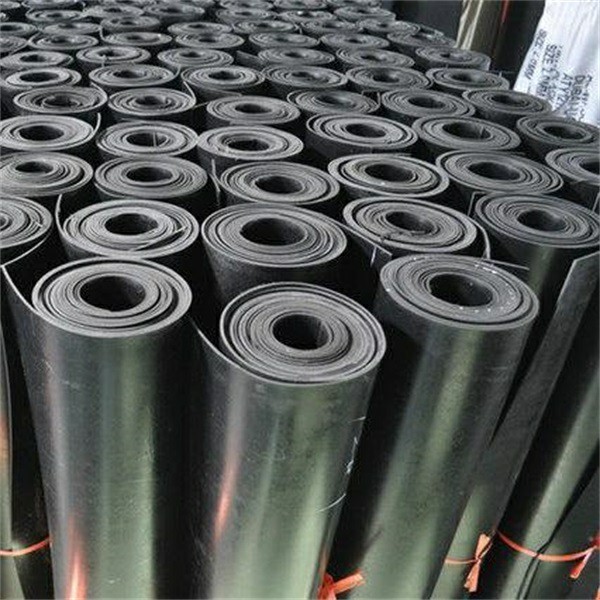
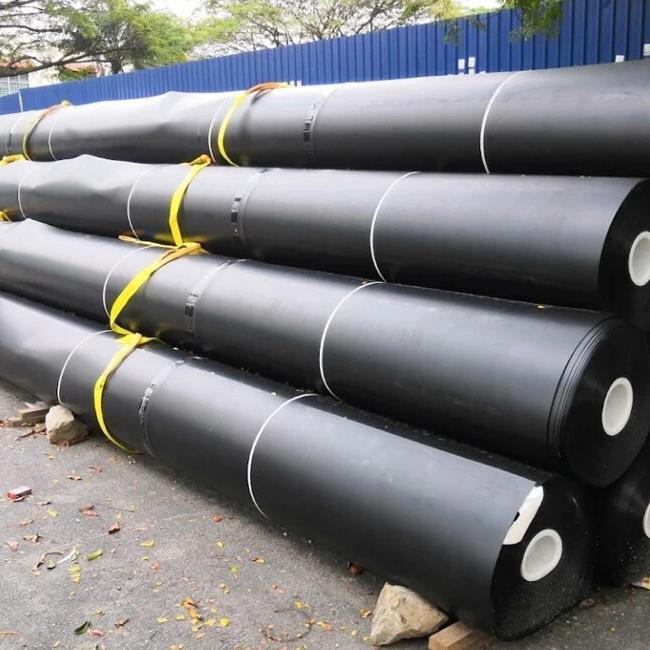
Composite geomembranes are critical materials in various construction and environmental applications. They serve as barriers to liquids and gases, offering essential protection for projects involving landfills, ponds, and containment systems. Understanding the quality parameters of these products is crucial for ensuring their effectiveness and longevity.
What Are Composite Geomembranes?
Composite geomembranes typically consist of a blend of materials, often combining a polymeric layer with a geotextile fabric. This combination enhances performance characteristics such as puncture resistance, UV stability, and overall durability. The polymer layer serves as the primary barrier, while the geotextile provides added strength and helps with drainage.
Why Quality Matters
Ensuring quality in composite geomembrane products is vital for several reasons:
- **Environmental Protection:** Poor-quality materials can lead to leaks, causing environmental damage.
- **Cost Efficiency:** Investing in high-quality geomembranes reduces long-term maintenance costs and potential project delays.
- **Regulatory Compliance:** Adhering to industry standards helps avoid legal issues and ensures safety.
Key Factors Influencing Quality in Composite Geomembranes
Material Selection
The foundation of any composite geomembrane's quality lies in the materials used. When selecting materials, consider the following:
- **Polymer Type:** Common polymers include HDPE, LDPE, and PVC. Each has unique properties suited for different applications.
- **Geotextile Properties:** The choice of geotextile fabric affects drainage and strength. Look for fabrics with high tensile strength and appropriate filtration characteristics.
Manufacturing Processes
The manufacturing process significantly influences the quality of composite geomembranes. Key aspects to focus on include:
- **Production Techniques:** Ensure that the manufacturer employs advanced production techniques, such as extrusion or calendaring, which enhance the uniformity and properties of the geomembrane.
- **Quality Control Measures:** Reputable manufacturers implement strict quality controls throughout the production process, including regular inspections and performance testing.
Testing Standards and Certifications
Compliance with industry testing standards is essential for ensuring the quality and reliability of composite geomembranes. Familiarize yourself with the following standards:
- **ASTM D4437:** This standard outlines the requirements for geomembranes used in geotechnical applications.
- **ISO Certification:** Seek products that meet ISO standards, which ensure consistent quality and reliability.
Best Practices for Ensuring Quality in Composite Geomembrane Products
1. Choose Reputable Suppliers
Select suppliers with a strong reputation and positive customer feedback. Look for manufacturers who provide transparent information regarding their materials and production processes.
2. Verify Compliance with Standards
Before making a purchase, confirm that the geomembrane products meet applicable industry standards. Request documentation and certifications to ensure compliance.
3. Conduct Independent Testing
Consider conducting independent tests on geomembrane samples. These tests can evaluate critical properties such as tensile strength, elongation, and chemical resistance.
4. Engage in On-Site Inspections
If possible, conduct on-site inspections of the manufacturing facility. This practice allows you to assess the production processes and quality control measures personally.
5. Monitor Installation Quality
The quality of installation is as crucial as the quality of the geomembrane itself. Ensure qualified personnel install the geomembrane according to the manufacturer's specifications and best practices.
Applications of Composite Geomembranes
Landfill Liners
Composite geomembranes serve as effective liners for landfills, preventing leachate from contaminating groundwater. Their high permeability and puncture resistance make them ideal for this application.
Wastewater Treatment
In wastewater treatment facilities, composite geomembranes provide reliable barriers against leaks, ensuring environmental protection and regulatory compliance.
Pond Liners
For agricultural and recreational ponds, composite geomembranes offer durable solutions that prevent water loss and maintain water quality.
Choosing the Right Geomembrane for Your Project
Selecting the appropriate composite geomembrane involves considering project-specific factors such as environmental conditions, regulatory requirements, and intended use. Consult with industry experts to make informed decisions.
Frequently Asked Questions
What is the lifespan of composite geomembranes?
The lifespan varies based on material and environmental conditions, but high-quality composite geomembranes can last over 20 years with proper installation and maintenance.
Can composite geomembranes be recycled?
Yes, many composite geomembranes can be recycled, although the process may vary based on the materials used. Check with your manufacturer for specific recycling options.
How do I know if a geomembrane is of high quality?
Look for certifications, conduct independent tests, and review the manufacturer's reputation to assess the quality of geomembranes.
Are composite geomembranes resistant to UV radiation?
High-quality composite geomembranes often include additives that enhance UV resistance, making them suitable for prolonged outdoor exposure.
What should I do if a geomembrane develops a leak?
If a leak is detected, consult with a professional to assess the damage, identify the cause, and determine whether repair or replacement is necessary.
Conclusion
Ensuring the quality of composite geomembrane products is a multi-faceted process that begins with material selection and extends through manufacturing, testing, and installation. By adhering to best practices and selecting reputable suppliers, you can ensure that your geomembranes meet the highest standards of performance and durability. By investing in quality, you protect not only your project but also the environment, ensuring compliance and long-term success. With the right approach, achieving excellence in geomembrane applications is within reach.
Previous Page
CONTACT US
Address: Shuangyi Road, Lingcheng District, Dezhou City, Shandong Province


GET A DEDICATED QUOTATION