


Understanding Geomembrane Material: A Key Component in Construction and Design
Release time:
2026-06-27
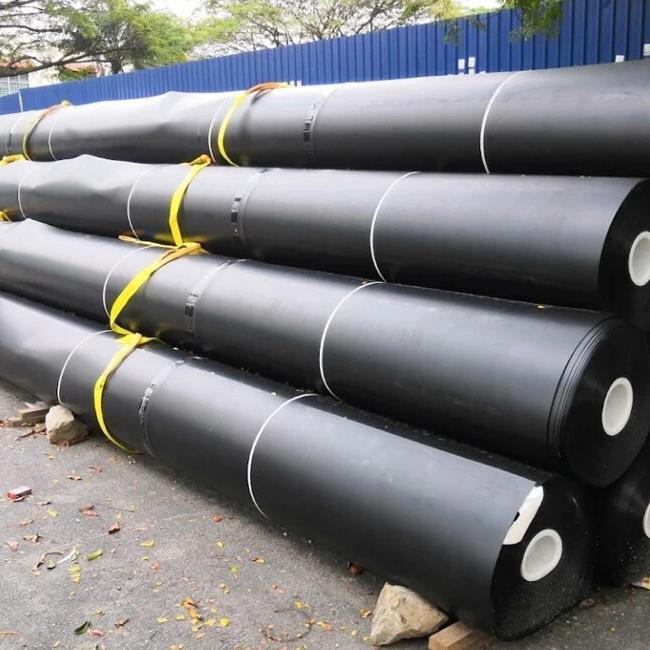
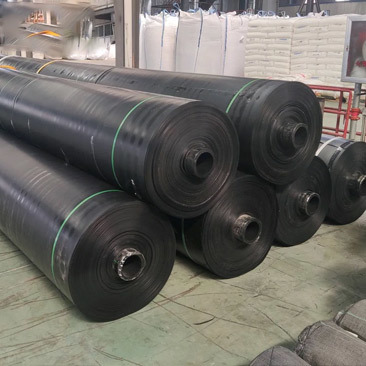
Geomembrane material plays a significant role in the construction and civil engineering sectors, particularly in projects involving containment, separation, and waterproofing. This synthetic membrane, typically made from polymers, serves as a barrier to prevent the migration of fluids or gases in the soil or other materials. Its versatility and effectiveness make it a popular choice among engineer
Geomembrane material plays a significant role in the construction and civil engineering sectors, particularly in projects involving containment, separation, and waterproofing. This synthetic membrane, typically made from polymers, serves as a barrier to prevent the migration of fluids or gases in the soil or other materials. Its versatility and effectiveness make it a popular choice among engineers and contractors.
One of the primary applications of geomembrane material is in landfill construction. It is used to line landfills, providing a robust barrier that prevents leachate and other contaminants from seeping into the ground. This is particularly crucial for environmental protection, as it helps to mitigate the risk of soil and groundwater contamination. The durability and chemical resistance of geomembranes ensure that they can withstand harsh environmental conditions, making them suitable for long-term use.
In addition to landfills, geomembrane material is also widely utilized in mining operations. It acts as a barrier in tailings storage facilities, helping to confine hazardous materials and protect surrounding ecosystems. The impermeability of geomembranes is vital in these applications, as it prevents the escape of potentially toxic substances. With the increasing focus on sustainable mining practices, the demand for effective containment solutions like geomembranes continues to rise.
Another significant application of geomembrane material is in water management systems. It is used in the construction of ponds, reservoirs, and canals to prevent water loss and maintain the integrity of these structures. By serving as a waterproof layer, geomembranes help ensure that water bodies retain their intended volume, reducing the risk of erosion and increasing the longevity of water management infrastructures.
When selecting geomembrane material for a project, several factors should be considered. These include the type of polymer, thickness, and specific chemical properties required for the application. It is essential to choose a geomembrane that meets the project’s needs, particularly in terms of resistance to punctures, UV exposure, and chemical degradation. Consulting with experts in the field can provide valuable insights into the best materials for specific conditions and applications.
In conclusion, geomembrane material serves as a foundational component in many construction and environmental projects. Its ability to act as a barrier against fluids and gases makes it indispensable in various applications, from landfill construction to water management systems. Understanding the properties and uses of geomembrane material is crucial for anyone involved in the construction industry, ensuring that projects are not only functional but also sustainable and environmentally responsible.
One of the primary applications of geomembrane material is in landfill construction. It is used to line landfills, providing a robust barrier that prevents leachate and other contaminants from seeping into the ground. This is particularly crucial for environmental protection, as it helps to mitigate the risk of soil and groundwater contamination. The durability and chemical resistance of geomembranes ensure that they can withstand harsh environmental conditions, making them suitable for long-term use.
In addition to landfills, geomembrane material is also widely utilized in mining operations. It acts as a barrier in tailings storage facilities, helping to confine hazardous materials and protect surrounding ecosystems. The impermeability of geomembranes is vital in these applications, as it prevents the escape of potentially toxic substances. With the increasing focus on sustainable mining practices, the demand for effective containment solutions like geomembranes continues to rise.
Another significant application of geomembrane material is in water management systems. It is used in the construction of ponds, reservoirs, and canals to prevent water loss and maintain the integrity of these structures. By serving as a waterproof layer, geomembranes help ensure that water bodies retain their intended volume, reducing the risk of erosion and increasing the longevity of water management infrastructures.
When selecting geomembrane material for a project, several factors should be considered. These include the type of polymer, thickness, and specific chemical properties required for the application. It is essential to choose a geomembrane that meets the project’s needs, particularly in terms of resistance to punctures, UV exposure, and chemical degradation. Consulting with experts in the field can provide valuable insights into the best materials for specific conditions and applications.
In conclusion, geomembrane material serves as a foundational component in many construction and environmental projects. Its ability to act as a barrier against fluids and gases makes it indispensable in various applications, from landfill construction to water management systems. Understanding the properties and uses of geomembrane material is crucial for anyone involved in the construction industry, ensuring that projects are not only functional but also sustainable and environmentally responsible.
Previous Page
CONTACT US
Address: Shuangyi Road, Lingcheng District, Dezhou City, Shandong Province


GET A DEDICATED QUOTATION