


Reducing Construction Risks with PE Geomembrane Solutions: A Comprehensive Guide
Release time:
2026-04-13
Reducing Construction Risks with PE Geomembrane Solutions Table of Contents 1. Introduction to PE Geomembranes 2. Understanding Construction Risks 3. The Role of PE Geomembranes in Construction 4. Benefits of Using PE Geomembranes 4.1 Durability and Strength 4.2 Environmental Protection 4.3 Cost-Effectiveness 5. Applic
Reducing Construction Risks with PE Geomembrane Solutions
Table of Contents
- 1. Introduction to PE Geomembranes
- 2. Understanding Construction Risks
- 3. The Role of PE Geomembranes in Construction
- 4. Benefits of Using PE Geomembranes
- 5. Applications of PE Geomembranes
- 6. Best Practices for Implementing PE Geomembrane Solutions
- 7. Case Studies: Successful PE Geomembrane Projects
- 8. Conclusion
- 9. FAQs
1. Introduction to PE Geomembranes
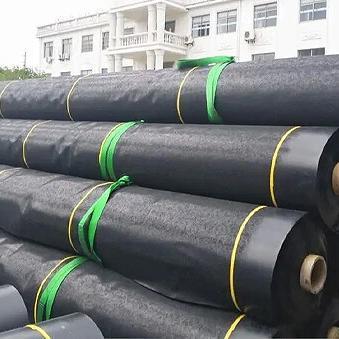
PE (Polyethylene) geomembranes represent a critical innovation in the realm of construction materials. These synthetic membranes are designed to provide barriers against fluids and gases, making them invaluable in a variety of construction applications. By effectively reducing potential construction risks, PE geomembranes ensure project longevity and environmental sustainability.
2. Understanding Construction Risks
Construction projects inherently involve numerous risks, including environmental hazards, structural failures, and regulatory challenges. **Environmental risks** can arise from contamination, water infiltration, and soil erosion. **Structural risks** may include failures due to improper material usage or inadequate design. Understanding these risks is paramount for any project manager or construction professional aiming to deliver successful outcomes.
3. The Role of PE Geomembranes in Construction
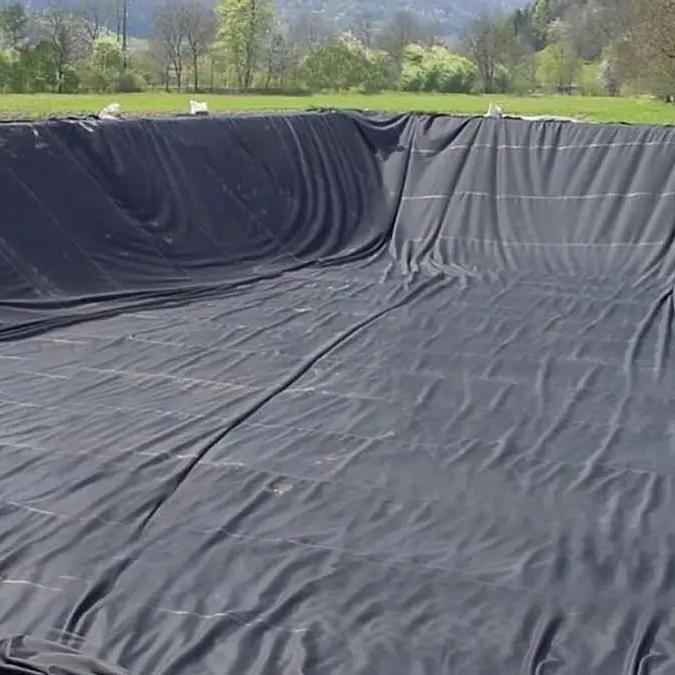
PE geomembranes function as a reliable barrier, preventing the movement of water and harmful substances through the soil. Their installation helps to mitigate risks associated with groundwater contamination and prevents erosion in sensitive areas. By integrating PE geomembranes into construction projects, companies can enhance safety, compliance, and environmental stewardship.
4. Benefits of Using PE Geomembranes
4.1 Durability and Strength
PE geomembranes boast exceptional durability and strength. They are resistant to punctures, tears, and UV degradation, ensuring that they maintain their integrity over time. This durability translates to prolonged service life, making them a valuable investment for any construction undertaking.
4.2 Environmental Protection
The implementation of PE geomembranes plays a crucial role in environmental protection. By providing a robust barrier against contaminants, these geomembranes safeguard ecosystems, groundwater, and surface water bodies from hazardous materials. This adherence to environmental compliance not only benefits the ecosystem but also enhances a company's reputation.
4.3 Cost-Effectiveness
While the initial investment in PE geomembranes may be higher than traditional materials, their long-term cost-effectiveness is undeniable. Reduced maintenance costs, lower risk of project delays, and minimal environmental remediation expenditures contribute to overall savings. By preventing potential failures and the associated expenses, PE geomembrane solutions offer significant financial advantages.
5. Applications of PE Geomembranes
PE geomembranes are versatile and can be utilized in various applications within the construction industry.
5.1 Landfill Liners
One of the most common uses for PE geomembranes is as landfill liners. They prevent leachate from contaminating surrounding soil and groundwater, thus meeting environmental regulations and safeguarding public health.
5.2 Water Conservation
In water conservation efforts, PE geomembranes are employed in reservoirs and ponds to minimize evaporation. This application is vital for regions facing water scarcity and ensures the sustainability of local water resources.
5.3 Containment Solutions
Containment solutions are another essential application of PE geomembranes. They are used to create barriers around hazardous waste sites, ensuring that toxic substances do not escape into the environment. This function is crucial for maintaining safety and compliance with environmental laws.
6. Best Practices for Implementing PE Geomembrane Solutions
To maximize the effectiveness of PE geomembranes, it is essential to follow best practices during installation and maintenance.
1. **Proper Site Preparation:** Ensure that the site is adequately prepared before installation. This includes removing sharp objects and debris that could puncture the geomembrane.
2. **Quality Assurance:** Use high-quality geomembranes that meet industry standards. Verification of material certifications can prevent future issues.
3. **Skilled Installation:** Employ trained professionals for the installation process. Proper techniques must be followed to ensure a seamless application.
4. **Regular Inspections:** Conduct routine inspections to identify any potential damage to the geomembrane. Timely repairs can prevent costly failures in the future.
5. **Adhere to Regulations:** Always comply with local and national regulations regarding the use of geomembranes in construction projects.
7. Case Studies: Successful PE Geomembrane Projects
Several successful projects have showcased the effectiveness of PE geomembranes in reducing construction risks.
**Case Study 1: Urban Landfill Project**
In a major urban landfill project, the implementation of PE geomembranes as liners significantly reduced leachate migration. This project demonstrated a stark decrease in groundwater contamination levels, leading to improved community health outcomes.
**Case Study 2: Water Reservoir Construction**
A water reservoir constructed using PE geomembrane technology experienced a 30% reduction in water loss due to evaporation. This project highlighted the importance of water conservation in arid regions.
**Case Study 3: Hazardous Waste Containment**
In a hazardous waste containment project, the use of PE geomembranes provided a reliable barrier against toxic substances. Regular monitoring and maintenance ensured continued compliance with environmental standards.
8. Conclusion
In summary, PE geomembranes are an invaluable asset in the construction industry, offering a robust solution for mitigating risks associated with environmental contamination and structural failures. Their durability, cost-effectiveness, and versatility in applications render them essential for modern construction practices. By embracing the use of PE geomembranes, construction professionals can enhance project outcomes, safeguard the environment, and ultimately reduce risks—leading to successful and sustainable projects for years to come.
9. FAQs
1. What are PE geomembranes made of?
PE geomembranes are primarily made of high-density polyethylene (HDPE) or linear low-density polyethylene (LLDPE), which provide excellent resistance to chemicals and environmental stressors.
2. How do PE geomembranes contribute to environmental protection?
PE geomembranes act as barriers that prevent contaminants from leaching into the soil and groundwater, thereby protecting the environment from hazardous materials and preserving natural resources.
3. Are PE geomembranes easy to install?
While installation can be straightforward, it requires skilled professionals to ensure proper techniques are followed. Proper site preparation and quality materials also play critical roles in a successful installation.
4. What are the maintenance requirements for PE geomembranes?
Regular inspections and prompt repairs are essential. Keeping the geomembrane free from sharp objects and ensuring it remains undamaged will prolong its lifespan.
5. Can PE geomembranes be recycled?
Yes, many PE geomembranes can be recycled, contributing to sustainability efforts within the construction industry. However, specific recycling options depend on local facilities and regulations.
By investing in PE geomembranes and adhering to the best practices outlined in this article, construction professionals can significantly enhance project stability, protect the environment, and reduce overall risks associated with construction projects.
CONTACT US
Address: Shuangyi Road, Lingcheng District, Dezhou City, Shandong Province


GET A DEDICATED QUOTATION