


A Comprehensive Exploration of Geomembrane's Impact on Waste Management
Release time:
2026-03-10
A Comprehensive Exploration of Geomembrane's Impact on Waste Management Table of Contents 1. Introduction to Geomembranes and Their Importance 2. Understanding Waste Management 3. The Role of Geomembranes in Landfills 3.1 Types of Geomembranes Used in Landfills 3.2 Construction and Design of Geomembrane Liners 4. Geomembranes in Hazardous Waste Management 4.1 Containment Strategies
A Comprehensive Exploration of Geomembrane's Impact on Waste Management
Table of Contents
1. Introduction to Geomembranes and Their Importance
2. Understanding Waste Management
3. The Role of Geomembranes in Landfills
3.1 Types of Geomembranes Used in Landfills
3.2 Construction and Design of Geomembrane Liners
4. Geomembranes in Hazardous Waste Management
4.1 Containment Strategies
4.2 Environmental Protection Mechanisms
5. The Benefits of Using Geomembranes
5.1 Durability and Longevity
5.2 Cost-Effectiveness
6. Innovations in Geomembrane Technology
7. Challenges in Geomembrane Applications
8. Future Trends in Waste Management with Geomembranes
9. Frequently Asked Questions (FAQs)
10. Conclusion
1. Introduction to Geomembranes and Their Importance
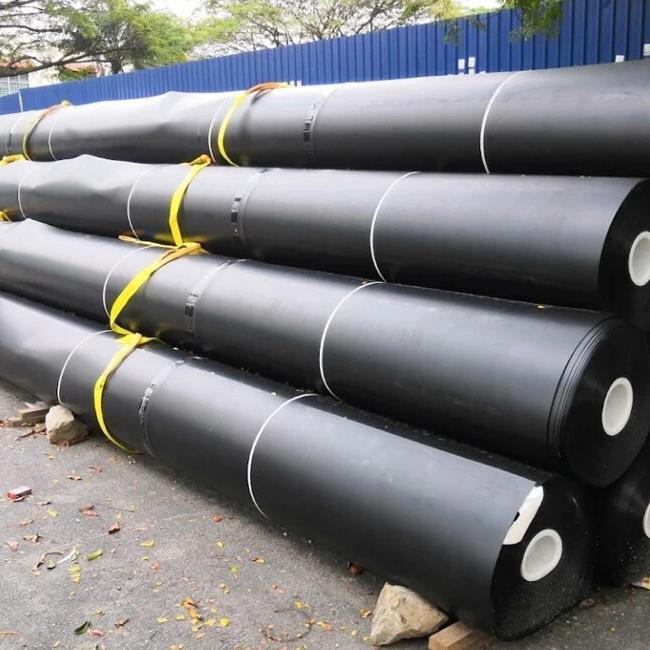
Geomembranes are synthetic membranes widely used in various civil engineering applications. They serve as essential components in waste management systems, primarily focusing on landfill operations and hazardous waste containment. The versatility and effectiveness of geomembranes make them indispensable in ensuring that waste does not pose a threat to the environment or public health. This article aims to explore the multifaceted role of geomembranes in waste management, unveiling their applications, benefits, innovations, and future prospects.
2. Understanding Waste Management
Waste management refers to the processes and actions required to manage waste from its inception to its final disposal. It is critical for maintaining public health and environmental integrity. Effective waste management includes collection, transportation, treatment, and disposal of waste. As populations grow and urban areas expand, the volume and complexity of waste generated have increased, necessitating advanced solutions like geomembranes to mitigate environmental impacts.
3. The Role of Geomembranes in Landfills
Landfills play a significant role in waste management, but they also present challenges concerning leachate and gas emissions. Geomembranes are utilized in landfill design to create barriers that prevent the migration of contaminants into the surrounding environment.
3.1 Types of Geomembranes Used in Landfills
There are several types of geomembranes utilized in landfill applications, including high-density polyethylene (HDPE), linear low-density polyethylene (LLDPE), and polyvinyl chloride (PVC). Each type offers unique properties that cater to specific landfill needs, such as chemical resistance, flexibility, and UV stability.
3.2 Construction and Design of Geomembrane Liners
The construction of geomembrane liners requires meticulous planning and execution. Engineers must consider factors such as soil properties, groundwater levels, and the types of waste being managed. The design must ensure complete coverage and integrity, minimizing the risk of leaks and environmental contamination.
4. Geomembranes in Hazardous Waste Management
Hazardous waste poses unique challenges, necessitating robust containment strategies. Geomembranes play a crucial role in preventing hazardous materials from leaching into the environment.
4.1 Containment Strategies
Effective containment strategies involve the use of geomembranes in conjunction with other materials, such as geotextiles and drainage systems. This layered approach enhances the overall safety and effectiveness of hazardous waste disposal facilities.
4.2 Environmental Protection Mechanisms
Geomembranes act as barriers that prevent contaminants from reaching groundwater and soil. Their impermeable nature ensures that leachate, which may contain toxic substances, remains contained within the landfill or hazardous waste facility, safeguarding the environment.
5. The Benefits of Using Geomembranes
Implementing geomembranes in waste management offers numerous advantages that enhance both efficiency and environmental protection.
5.1 Durability and Longevity
Geomembranes are designed to withstand harsh environmental conditions, including extreme temperatures, UV radiation, and chemical exposure. This durability translates to longer service life, reducing the need for frequent replacements.
5.2 Cost-Effectiveness
The initial investment in geomembranes is often offset by their long-term benefits. Their ability to prevent leaks and reduce maintenance costs makes them a financially viable option for waste management facilities.
6. Innovations in Geomembrane Technology
The field of geomembrane technology continues to evolve, with ongoing research and development leading to enhanced materials and applications. Innovations such as self-healing geomembranes and integrated sensor technologies promise to improve monitoring and maintenance capabilities.
7. Challenges in Geomembrane Applications
Despite their advantages, the use of geomembranes is not without challenges. Installation difficulties, potential for punctures, and environmental factors can impact their effectiveness. Addressing these challenges requires ongoing education, research, and adherence to best practices.
8. Future Trends in Waste Management with Geomembranes
As the waste management industry evolves, geomembranes will play an increasingly vital role. Future trends may include the integration of smart technologies for real-time monitoring and the development of biodegradable geomembranes to enhance sustainability.
9. Frequently Asked Questions (FAQs)
**Q1: What are geomembranes?**
Geomembranes are impermeable membranes used in various applications, including waste management, to prevent the migration of liquids and gases.
**Q2: How do geomembranes improve landfill safety?**
They prevent leachate from contaminating groundwater and the surrounding environment by acting as a barrier against potential pollutants.
**Q3: What types of geomembranes are available?**
Common types include HDPE, LLDPE, and PVC, each with unique properties suited for specific applications.
**Q4: Are geomembranes environmentally friendly?**
While geomembranes are synthetic, advancements in technology are leading to more sustainable options, such as biodegradable geomembranes.
**Q5: What are the main challenges associated with geomembranes?**
Key challenges include installation issues, punctures, and environmental effects that may affect long-term performance.
10. Conclusion
Geomembranes play a critical role in waste management, providing essential barriers that protect the environment from contamination. Their durability, cost-effectiveness, and innovations in technology make them an indispensable component of modern waste management strategies. As the industry continues to evolve, the integration of geomembranes will lead to safer, more efficient waste disposal practices, ensuring a sustainable future for our planet.
CONTACT US
Address: Shuangyi Road, Lingcheng District, Dezhou City, Shandong Province


GET A DEDICATED QUOTATION