


How Polyethylene Geomembranes Enhance Valve Systems Performance
Release time:
2026-06-12
How Polyethylene Geomembranes Enhance Valve Systems Performance In the ever-evolving landscape of industrial equipment and components, particularly in valve systems, the integration of modern materials often dictates operational efficiency and longevity. One such material, polyethylene geomembranes, has emerged as a game-changer. These geomembranes not only enhance performance but also play a cruc
How Polyethylene Geomembranes Enhance Valve Systems Performance
In the ever-evolving landscape of industrial equipment and components, particularly in valve systems, the integration of modern materials often dictates operational efficiency and longevity. One such material, polyethylene geomembranes, has emerged as a game-changer. These geomembranes not only enhance performance but also play a crucial role in ensuring the durability and reliability of valve systems across various applications. In this comprehensive article, we will delve into how polyethylene geomembranes improve valve systems, exploring their properties, benefits, and best practices for implementation.
Table of Contents
- 1. Understanding Polyethylene Geomembranes
- 2. Mechanisms of Performance Enhancement
- 3. Benefits of Geomembranes in Valve Systems
- 4. Applications of Polyethylene Geomembranes
- 5. Installation and Maintenance Best Practices
- 6. Case Studies and Success Stories
- 7. Future Trends in Geomembrane Technology
- 8. Frequently Asked Questions
- 9. Conclusion
1. Understanding Polyethylene Geomembranes
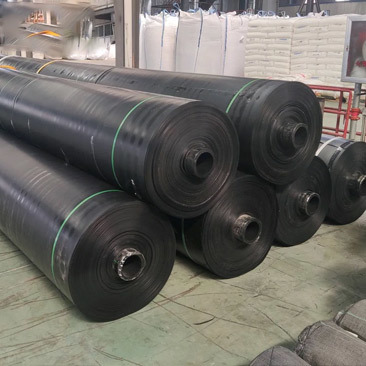
Polyethylene geomembranes are synthetic membranes made from high-density polyethylene (HDPE) or linear low-density polyethylene (LLDPE). They are primarily used as barriers to control fluid migration in various applications, including waste containment, water conservation, and drainage. Their properties, such as chemical resistance, flexibility, and durability, make them an ideal choice for enhancing the functionality of valve systems.
These geomembranes are engineered to withstand the harsh environmental conditions often faced in industrial settings. Whether it is exposure to corrosive chemicals, extreme temperatures, or abrasive materials, polyethylene geomembranes provide an effective solution to enhance valve system integrity.
2. Mechanisms of Performance Enhancement
The incorporation of polyethylene geomembranes into valve systems can lead to significant performance enhancements through various mechanisms:
2.1 Chemical Resistance
One of the primary advantages of polyethylene geomembranes is their exceptional resistance to a wide range of chemicals. This characteristic prevents degradation and ensures that valve systems can operate efficiently without the risk of leakage or malfunction. By providing a protective barrier, these geomembranes extend the lifespan of valve components.
2.2 Reduced Friction
Polyethylene geomembranes have a low coefficient of friction, which minimizes wear and tear on valve components. This reduction in friction enhances the smooth operation of valves, allowing for better flow control and improved overall system performance.
2.3 Temperature Tolerance
These geomembranes can withstand varying temperature ranges, ensuring that valve systems function efficiently in both extreme heat and cold environments. This temperature tolerance is particularly important in applications such as chemical processing, where precise temperature control is crucial.
3. Benefits of Geomembranes in Valve Systems
The integration of polyethylene geomembranes into valve systems offers numerous benefits that contribute to operational efficiency and safety:
3.1 Enhanced Durability
By acting as a protective layer, polyethylene geomembranes significantly increase the durability of valve systems. They shield components from corrosive substances and physical damage, thereby reducing maintenance frequency and costs.
3.2 Improved Flow Management
The low-friction properties of geomembranes allow for better flow management within valve systems. This improvement translates to enhanced process efficiency, as operators can achieve more precise control over fluid dynamics.
3.3 Cost-Effectiveness
Though the initial investment in polyethylene geomembranes may be higher than traditional materials, the long-term savings achieved through reduced maintenance, extended equipment life, and minimized downtime make them a cost-effective choice.
4. Applications of Polyethylene Geomembranes
Polyethylene geomembranes find extensive applications across various industries, particularly in environments where valve systems are critical:
4.1 Wastewater Treatment Plants
In wastewater treatment facilities, polyethylene geomembranes are utilized to create lined systems that prevent leaks and contamination. Their chemical resistance is vital for managing hazardous materials.
4.2 Chemical Processing
In chemical manufacturing, these geomembranes are used to line storage tanks and containment areas. Their compatibility with various chemicals ensures that valve systems operate safely and effectively.
4.3 Oil and Gas Industry
The oil and gas sector employs polyethylene geomembranes for secondary containment and spill prevention. This application is crucial for minimizing environmental impact and protecting valve systems from corrosive substances.
5. Installation and Maintenance Best Practices
To maximize the benefits of polyethylene geomembranes, adherence to proper installation and maintenance practices is essential:
5.1 Professional Installation
Engaging experienced professionals for the installation of geomembranes ensures that they are installed according to industry standards. Proper installation is critical to achieving the desired performance outcomes.
5.2 Routine Inspections
Regular inspections of valve systems and geomembranes can identify potential issues before they escalate. Early detection of wear or damage allows for timely maintenance and repair, ensuring sustained performance.
5.3 Cleaning Protocols
Implementing effective cleaning protocols helps to maintain the integrity of polyethylene geomembranes. Regular cleaning prevents the accumulation of debris and contaminants, preserving their performance characteristics.
6. Case Studies and Success Stories
Numerous industries have successfully integrated polyethylene geomembranes into their valve systems, leading to remarkable improvements. Consider the following examples:
6.1 Wastewater Treatment Facility in California
A California wastewater treatment facility faced challenges with valve system leaks. By installing polyethylene geomembranes, the facility reduced leak incidents by 90%, leading to significant savings in maintenance costs and enhanced regulatory compliance.
6.2 Chemical Processing Plant in Texas
A chemical processing plant in Texas reported a 50% reduction in valve failures after implementing polyethylene geomembranes. The enhanced chemical resistance of the geomembranes provided a protective barrier against corrosive substances, improving overall system reliability.
7. Future Trends in Geomembrane Technology
The future of polyethylene geomembranes in valve systems looks promising, with ongoing advancements in materials science and technology:
7.1 Smart Geomembranes
Innovations in sensor technology may lead to the development of smart geomembranes capable of detecting leaks or temperature fluctuations. This capability can significantly enhance monitoring and maintenance practices in valve systems.
7.2 Biodegradable Options
As sustainability becomes a priority, research into biodegradable geomembranes is gaining momentum. These materials could provide an eco-friendly alternative without compromising performance, catering to industries with stringent environmental regulations.
8. Frequently Asked Questions
8.1 What are polyethylene geomembranes made from?
Polyethylene geomembranes are primarily made from high-density polyethylene (HDPE) or linear low-density polyethylene (LLDPE), both of which offer excellent chemical resistance and durability.
8.2 How do geomembranes improve valve system reliability?
Geomembranes enhance reliability by providing a protective barrier against corrosive substances, reducing friction, and improving overall flow management within valve systems.
8.3 Are polyethylene geomembranes environmentally friendly?
While polyethylene is a synthetic material, advancements in geomembrane technology aim to develop biodegradable options to reduce environmental impact without sacrificing performance.
8.4 What industries benefit most from using geomembranes?
Industries such as wastewater treatment, chemical processing, and oil and gas significantly benefit from the use of polyethylene geomembranes in their valve systems due to their specific operational challenges.
8.5 How often should geomembranes be inspected?
Routine inspections should occur at least once a year and more frequently in high-risk environments to ensure the integrity and performance of geomembranes and the valve systems they protect.
9. Conclusion
Polyethylene geomembranes play a vital role in enhancing the performance of valve systems across a multitude of industries. Their exceptional properties, including chemical resistance, reduced friction, and temperature tolerance, make them an indispensable asset in modern industrial applications. By investing in high-quality polyethylene geomembranes and adhering to proper installation and maintenance practices, organizations can significantly improve the reliability and efficiency of their valve systems. As the industry continues to evolve, staying abreast of technological advancements will further enhance the benefits that polyethylene geomembranes provide, ensuring optimal operational success.

CONTACT US
Address: Shuangyi Road, Lingcheng District, Dezhou City, Shandong Province


GET A DEDICATED QUOTATION