


The Science Behind Geomembrane Liners: What Every Builder Should Know
Release time:
2026-03-08
The Science Behind Geomembrane Liners: What Every Builder Should Know As the construction industry continues to evolve, builders increasingly recognize the significance of incorporating advanced materials into their projects. One such material that stands out for its versatility and effectiveness is the geomembrane liner. Understanding the science behind geomembrane liners is essential for builder
The Science Behind Geomembrane Liners: What Every Builder Should Know
As the construction industry continues to evolve, builders increasingly recognize the significance of incorporating advanced materials into their projects. One such material that stands out for its versatility and effectiveness is the geomembrane liner. Understanding the science behind geomembrane liners is essential for builders who aim for sustainability, efficiency, and compliance in their projects. This article serves as a comprehensive guide that explores the various aspects of geomembrane liners, including their composition, benefits, applications, installation techniques, and much more.
Table of Contents
- Introduction to Geomembrane Liners
- What Are Geomembranes?
- Key Materials Used in Geomembrane Liners
- Benefits of Using Geomembrane Liners
- Applications of Geomembrane Liners
- Installation Techniques for Geomembrane Liners
- Maintenance and Inspection of Geomembrane Liners
- Frequently Asked Questions
- Conclusion
Introduction to Geomembrane Liners
Geomembrane liners are impermeable membranes designed to control fluid migration in various engineering applications. They play a crucial role in environmental protection, ensuring that harmful substances do not contaminate soil or groundwater. For builders, understanding the basics of geomembrane liners is fundamental for effective project execution and regulatory compliance.
What Are Geomembranes?
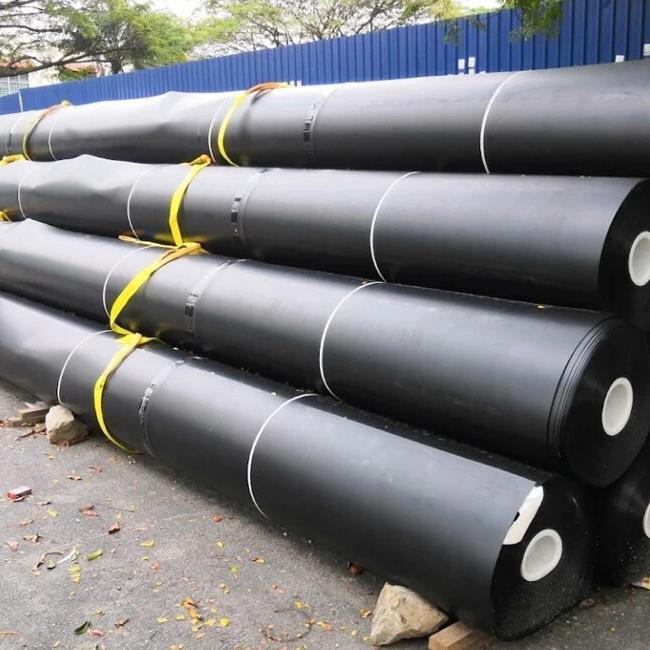
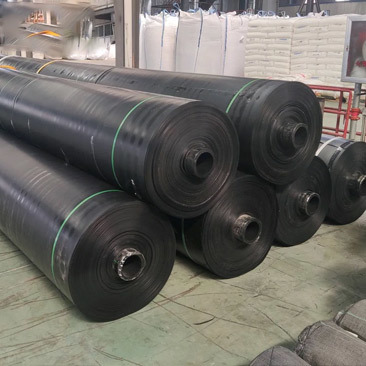
Geomembranes are synthetic membranes made from flexible polymer materials. They are characterized by their low permeability, making them ideal for applications that require the containment of liquids or gases. Commonly used materials for geomembranes include high-density polyethylene (HDPE), linear low-density polyethylene (LLDPE), and polyvinyl chloride (PVC). These materials are engineered to provide durability, resistance to environmental factors, and compatibility with various chemicals.
Types of Geomembranes
There are several types of geomembranes, each suited for specific applications:
- High-Density Polyethylene (HDPE): Known for its high tensile strength and resistance to UV radiation, HDPE is commonly used in landfill liners and ponds.
- Low-Density Polyethylene (LDPE): More flexible than HDPE, LDPE is often used in applications requiring curvature and conformability.
- Polyvinyl Chloride (PVC): PVC geomembranes are known for their ease of installation and are frequently used in water containment projects.
Key Materials Used in Geomembrane Liners
The selection of materials for geomembrane liners significantly influences their performance and longevity. Below are the key materials used in their manufacturing:
1. High-Density Polyethylene (HDPE)
HDPE geomembranes are widely recognized for their robustness and chemical resistance. They are suitable for various applications, including waste containment, mining, and water reservoirs. Their resistance to cracking and environmental stress makes them a preferred choice among builders.
2. Linear Low-Density Polyethylene (LLDPE)
LLDPE geomembranes offer increased flexibility compared to HDPE, allowing for easy installation in complex geometrical shapes. They are commonly used in applications involving liquid containment and environmental protection.
3. Polyvinyl Chloride (PVC)
PVC geomembranes are versatile and can be tailored for specific needs through the addition of plasticizers and stabilizers. They are ideal for applications requiring a high degree of puncture resistance and flexibility.
Benefits of Using Geomembrane Liners
The integration of geomembrane liners in construction projects offers numerous advantages, including:
1. Environmental Protection
One of the primary benefits of geomembrane liners is their ability to prevent contamination of soil and groundwater. By creating a barrier between potentially hazardous materials and the environment, builders can ensure compliance with environmental regulations.
2. Cost-Effectiveness
Though the initial investment in geomembrane liners may seem high, their durability and low maintenance requirements lead to long-term cost savings. Builders can avoid expensive cleanup efforts and regulatory fines associated with environmental contamination.
3. Versatility
Geomembranes are adaptable for various applications, including landfills, ponds, canals, and underground storage tanks. This versatility makes them an invaluable asset for builders across different sectors.
4. Ease of Installation
The lightweight nature of geomembranes facilitates their transportation and installation. Moreover, advancements in welding technologies allow for seamless connections that enhance their performance.
Applications of Geomembrane Liners
Geomembrane liners have a wide range of applications in construction and environmental management:
1. Landfill Liners
One of the most common applications of geomembranes is in landfill construction, where they serve as a barrier to prevent leachate from contaminating surrounding soil and groundwater.
2. Water Containment
Geomembranes are ideal for lining reservoirs, ponds, and canals to prevent water loss through seepage. Their impermeable nature ensures that stored water remains clean and free from contaminants.
3. Mining Operations
In mining, geomembranes are utilized to contain tailings and protect the environment from hazardous runoff. Their chemical resistance makes them suitable for handling various mining byproducts.
4. Agriculture
In agricultural applications, geomembranes can be used for water conservation in irrigation systems, helping to reduce water loss and improve crop yields.
Installation Techniques for Geomembrane Liners
Proper installation of geomembrane liners is crucial for ensuring their effectiveness. Here are key steps involved in the installation process:
1. Site Preparation
Before installation, the site must be cleared of debris and sharp objects that could damage the geomembrane. A smooth, stable surface is essential to prevent punctures and tears.
2. Geomembrane Placement
The geomembrane is rolled out on the prepared surface, ensuring it conforms to the required shape and dimensions. Proper alignment is critical for effective performance.
3. Welding and Seaming
Geomembrane seams can be welded using various methods, including hot air welding and extrusion welding. These techniques create strong, impermeable joints that enhance the overall integrity of the liner.
4. Testing for Integrity
Post-installation testing, such as vacuum testing and hydrostatic testing, helps verify the integrity of the geomembrane installation and identify any potential leaks.
Maintenance and Inspection of Geomembrane Liners
Regular maintenance and inspection are vital to prolonging the lifespan of geomembrane liners. Here’s how builders can ensure their longevity:
1. Routine Inspections
Conducting periodic inspections allows builders to identify signs of wear and tear, such as punctures or tears, enabling timely repairs before significant issues arise.
2. Keeping the Surface Clear
Maintaining a clear surface around the geomembrane helps prevent damage from debris or vegetation. Regularly removing sharp objects or intrusive roots is essential.
3. Monitoring Environmental Conditions
Environmental factors, such as temperature changes and exposure to harsh chemicals, can affect geomembrane performance. Builders should monitor these conditions and adjust maintenance practices accordingly.
Frequently Asked Questions
1. What is the lifespan of a geomembrane liner?
The lifespan of a geomembrane liner typically ranges from 20 to 30 years, depending on material type, environmental conditions, and maintenance practices.
2. Can geomembrane liners be repaired?
Yes, geomembrane liners can be repaired using patches or welding techniques, provided the integrity of the surrounding area is intact.
3. Are geomembranes resistant to UV radiation?
Many geomembranes, particularly HDPE, are engineered to resist UV radiation, which helps prevent degradation over time.
4. How do I choose the right geomembrane for my project?
Your choice of geomembrane should depend on factors such as the specific application, environmental conditions, and regulatory requirements. Consulting with a specialist can provide valuable insights.
5. Is geotechnical testing necessary before installing geomembrane liners?
Yes, geotechnical testing is essential to assess soil conditions and ensure the geomembrane liner is suitable for the intended application.
Conclusion
Understanding the science behind geomembrane liners is crucial for builders who seek to enhance the sustainability and efficiency of their projects. By recognizing the benefits, applications, and best practices associated with geomembranes, builders can make informed decisions that contribute to environmental protection and project success. As the construction industry continues to prioritize sustainability, integrating geomembrane liners will undoubtedly play an increasingly vital role in ensuring responsible and effective construction practices.
CONTACT US
Address: Shuangyi Road, Lingcheng District, Dezhou City, Shandong Province


GET A DEDICATED QUOTATION