


Understanding Composite Geomembranes: Essential Insights for Construction Projects
Release time:
2026-03-07
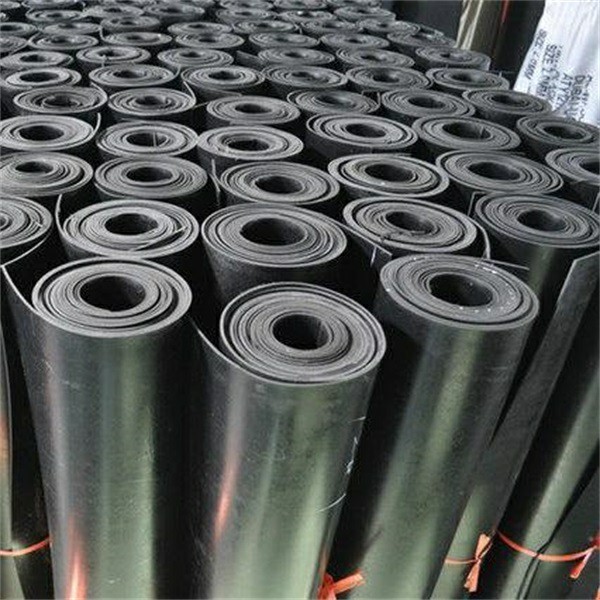
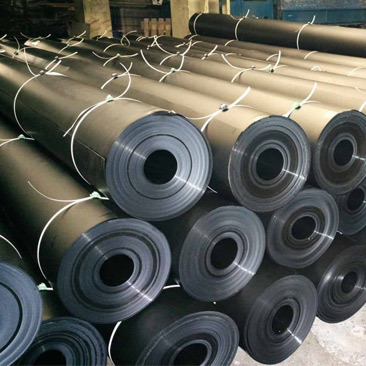
Composite geomembranes are essential materials widely used in the construction and civil engineering sectors, particularly in applications involving water management and environmental protection. These advanced materials are designed to provide a robust barrier against fluid migration while offering enhanced durability and flexibility. Typically made from a combination of different polymers, such
Composite geomembranes are essential materials widely used in the construction and civil engineering sectors, particularly in applications involving water management and environmental protection. These advanced materials are designed to provide a robust barrier against fluid migration while offering enhanced durability and flexibility. Typically made from a combination of different polymers, such as polyethylene and polypropylene, composite geomembranes are known for their superior performance in various conditions.
One of the primary advantages of composite geomembranes is their exceptional resistance to puncturing and tearing. This makes them ideal for use in landfills, mining operations, and water containment facilities. Their multi-layered structure often includes a geotextile layer that enhances their durability and allows for easier installation. The geotextile also provides added filtration and drainage capabilities, which can be crucial in preventing soil erosion and maintaining structural integrity.
Furthermore, composite geomembranes are highly effective in preventing leachate contamination in landfill applications. By acting as a barrier, they ensure that harmful substances do not seep into the surrounding soil and groundwater. This is particularly important for complying with environmental regulations and safeguarding public health.
In construction projects, selecting the right type of composite geomembrane can significantly impact performance and longevity. Factors such as the specific environmental conditions, exposure to chemicals, and the project's purpose must be considered. For instance, some geomembranes are specifically designed to withstand high temperatures, while others may be better suited for colder climates.
Additionally, the installation process of composite geomembranes plays a crucial role in their effectiveness. Proper installation not only maximizes the material's performance but also minimizes the risk of potential issues, such as leaks or failures. It is essential to follow manufacturer guidelines and best practices during installation to ensure optimal results.
Another important consideration is maintenance. While composite geomembranes are designed to be durable, routine inspections and maintenance can help identify and address any potential issues before they escalate. By implementing a solid maintenance plan, project managers can extend the lifespan of the geomembranes and protect their investment.
In summary, composite geomembranes are a versatile and reliable choice for various construction applications. Their combination of durability, resistance to environmental stressors, and effectiveness in preventing fluid migration makes them an invaluable component in modern construction projects. Understanding their properties and proper application is key to ensuring successful outcomes in any project involving these innovative materials.
One of the primary advantages of composite geomembranes is their exceptional resistance to puncturing and tearing. This makes them ideal for use in landfills, mining operations, and water containment facilities. Their multi-layered structure often includes a geotextile layer that enhances their durability and allows for easier installation. The geotextile also provides added filtration and drainage capabilities, which can be crucial in preventing soil erosion and maintaining structural integrity.
Furthermore, composite geomembranes are highly effective in preventing leachate contamination in landfill applications. By acting as a barrier, they ensure that harmful substances do not seep into the surrounding soil and groundwater. This is particularly important for complying with environmental regulations and safeguarding public health.
In construction projects, selecting the right type of composite geomembrane can significantly impact performance and longevity. Factors such as the specific environmental conditions, exposure to chemicals, and the project's purpose must be considered. For instance, some geomembranes are specifically designed to withstand high temperatures, while others may be better suited for colder climates.
Additionally, the installation process of composite geomembranes plays a crucial role in their effectiveness. Proper installation not only maximizes the material's performance but also minimizes the risk of potential issues, such as leaks or failures. It is essential to follow manufacturer guidelines and best practices during installation to ensure optimal results.
Another important consideration is maintenance. While composite geomembranes are designed to be durable, routine inspections and maintenance can help identify and address any potential issues before they escalate. By implementing a solid maintenance plan, project managers can extend the lifespan of the geomembranes and protect their investment.
In summary, composite geomembranes are a versatile and reliable choice for various construction applications. Their combination of durability, resistance to environmental stressors, and effectiveness in preventing fluid migration makes them an invaluable component in modern construction projects. Understanding their properties and proper application is key to ensuring successful outcomes in any project involving these innovative materials.
CONTACT US
Address: Shuangyi Road, Lingcheng District, Dezhou City, Shandong Province


GET A DEDICATED QUOTATION