


How Geomembrane Material Contributes to Soil Stabilization: A Comprehensive Guide
Release time:
2026-03-06
How Geomembrane Material Contributes to Soil Stabilization Soil stabilization is a critical aspect of construction and civil engineering, particularly in ensuring that soil remains structurally sound and resilient. Among various materials available for achieving effective soil stabilization, geomembranes have emerged as a highly effective solution. This article will explore the multifaceted role o
How Geomembrane Material Contributes to Soil Stabilization
Soil stabilization is a critical aspect of construction and civil engineering, particularly in ensuring that soil remains structurally sound and resilient. Among various materials available for achieving effective soil stabilization, geomembranes have emerged as a highly effective solution. This article will explore the multifaceted role of geomembrane materials in enhancing soil stability, reviewing their characteristics, applications, and advantages.
Table of Contents
1. Introduction to Geomembranes and Soil Stabilization
2. Understanding Geomembranes: Composition and Properties
3. Mechanisms of Soil Stabilization Using Geomembranes
4. Applications of Geomembranes in Soil Stabilization
5. Benefits of Using Geomembranes for Soil Stabilization
6. Challenges and Limitations in Geomembrane Applications
7. Future Prospects of Geomembranes in Geotechnical Engineering
8. Conclusion
9. FAQs about Geomembranes and Soil Stabilization
Introduction to Geomembranes and Soil Stabilization
In the realm of construction, soil stability is paramount to prevent structural failures and ensure longevity. **Geomembranes** are synthetic membranes used widely in civil engineering applications to manage water flow, prevent erosion, and maintain soil integrity. By understanding how geomembrane materials contribute to soil stabilization, we can appreciate their importance in modern construction practices.
Understanding Geomembranes: Composition and Properties
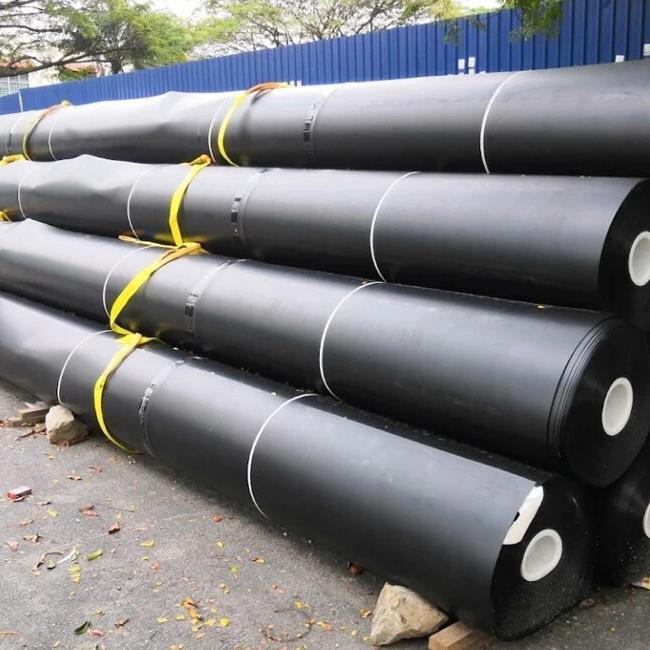
Geomembranes are made from various polymer materials, including **high-density polyethylene (HDPE)**, **polyvinyl chloride (PVC)**, **ethylene propylene diene monomer (EPDM)**, and **polypropylene (PP)**. Their primary characteristics include:
- **Durability**: Resistant to wear, tear, and environmental stressors.
- **Impermeability**: Prevents the passage of liquids and gases, crucial for applications in landfills and containment systems.
- **Flexibility**: Adaptable to various soil conditions and shapes, making them easy to install.
- **Chemical Resistance**: Withstands exposure to chemicals and pollutants, ensuring longevity in harsh environments.
These properties make geomembranes ideal candidates for soil stabilization in diverse construction projects.
Mechanisms of Soil Stabilization Using Geomembranes
The effectiveness of geomembranes in soil stabilization can be attributed to several mechanisms:
1. Barrier Function
Geomembranes act as barriers that prevent the infiltration of water into soil layers. This is particularly important in areas prone to erosion or where water saturation could lead to soil instability. By controlling water flow, geomembranes help maintain optimal moisture levels within the soil, promoting stability.
2. Load Distribution
By distributing the load across a wider area, geomembranes can reduce the stress on the underlying soil. This property is vital in projects involving heavy machinery or structures, as it minimizes the risk of ground subsidence and failure.
3. Reinforcement
Geomembranes can provide additional reinforcement to soil layers, enhancing their load-bearing capacity. When combined with other geosynthetics like geogrids or geotextiles, geomembranes create a composite structure that significantly improves soil stability.
Applications of Geomembranes in Soil Stabilization
Geomembranes find extensive applications in various sectors, including:
1. Landfills
In landfill construction, geomembranes serve as liners that prevent leachate migration into the surrounding soil and groundwater. This containment is crucial for environmental protection and soil stabilization.
2. Retaining Walls
Geomembranes are used behind retaining walls to prevent water buildup, which can exert excessive pressure on the wall structure. This application helps maintain the integrity of the retaining wall and the soil it supports.
3. Road Construction
In road construction, geomembranes function as stabilization layers that prevent soil erosion and degradation under heavy traffic. They can also mitigate the effects of water infiltration, enhancing the lifespan of roadways.
4. Agricultural Applications
In agriculture, geomembranes are utilized in irrigation systems to control water flow and prevent soil erosion. They provide a reliable solution for maintaining soil moisture levels and enhancing crop growth.
Benefits of Using Geomembranes for Soil Stabilization
The benefits of employing geomembranes for soil stabilization are numerous:
1. Cost-Effectiveness
The long-term benefits of geomembranes often outweigh their initial costs. By preventing soil erosion and reducing maintenance needs, they lead to significant savings over time.
2. Environmental Protection
Geomembranes help protect the environment by minimizing soil erosion and preventing contaminants from reaching groundwater. This feature is critical in projects that impact sensitive ecosystems.
3. Enhanced Structural Integrity
By improving soil stability, geomembranes contribute to the overall structural integrity of construction projects. This enhancement reduces the risk of failure and extends the lifespan of structures.
4. Versatility
Available in various materials and sizes, geomembranes can be customized to suit specific project requirements. Their adaptability makes them suitable for a wide range of applications.
Challenges and Limitations in Geomembrane Applications
While geomembranes offer numerous advantages, there are challenges associated with their use:
1. Installation Complexity
Proper installation of geomembranes requires skilled labor and specialized equipment. Improper installation can lead to failures, negating the benefits of the material.
2. Environmental Concerns
Although geomembranes are resistant to many chemicals, certain environmental conditions can affect their integrity. For instance, prolonged exposure to UV radiation can degrade some types of geomembranes.
3. Cost Implications
While geomembranes are cost-effective in the long run, their initial investment can be prohibitive for smaller projects. Budget constraints may limit their use in some cases.
Future Prospects of Geomembranes in Geotechnical Engineering
As technology advances, the future of geomembranes appears promising. Innovations in materials and manufacturing processes are likely to enhance their properties, making them even more effective for soil stabilization. The increasing demand for sustainable construction practices will also drive the adoption of geomembranes, as they contribute to reducing environmental impact and improving soil management.
Furthermore, continuous research into the performance of geomembranes under various conditions will lead to improved guidelines for their application, ensuring they remain an essential part of modern engineering solutions.
Conclusion
In summary, geomembrane materials play a crucial role in soil stabilization, offering a host of benefits that range from environmental protection to enhanced structural integrity. Their ability to act as barriers, distribute loads, and reinforce soil makes them invaluable in various construction applications. Despite the challenges associated with their use, the future of geomembranes in soil stabilization is bright, driven by technological advancements and a growing emphasis on sustainable construction practices.
FAQs about Geomembranes and Soil Stabilization
1. What is a geomembrane?
A geomembrane is a synthetic membrane used in civil engineering applications to provide a barrier to liquids and gases, preventing contamination and erosion.
2. How do geomembranes contribute to soil stabilization?
Geomembranes stabilize soil by preventing water infiltration, distributing loads, and providing reinforcement to soil layers.
3. Where are geomembranes commonly used?
Geomembranes are used in landfills, road construction, retaining walls, and agricultural applications.
4. Are geomembranes environmentally friendly?
Yes, geomembranes help protect the environment by preventing soil erosion and contamination of groundwater.
5. What are the challenges of using geomembranes?
Challenges include installation complexity, environmental degradation, and initial cost implications for some projects.
Previous Page

CONTACT US
Address: Shuangyi Road, Lingcheng District, Dezhou City, Shandong Province


GET A DEDICATED QUOTATION