


Understanding Geomembranes: Essential Components for Construction Projects
Release time:
2026-03-05
Geomembranes are impermeable synthetic membranes used to control fluid or gas migration in soil and rock environments. Commonly made from materials such as high-density polyethylene (HDPE), linear low-density polyethylene (LLDPE), and polyvinyl chloride (PVC), geomembranes are widely utilized in construction and civil engineering projects. Their primary function is to serve as barriers against wat
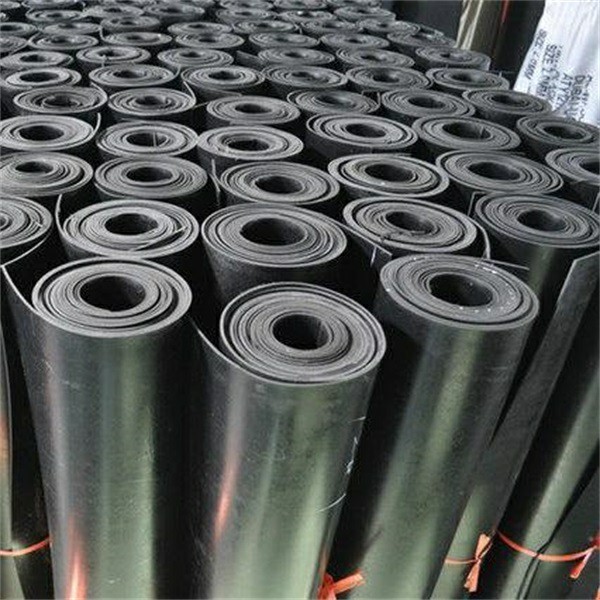
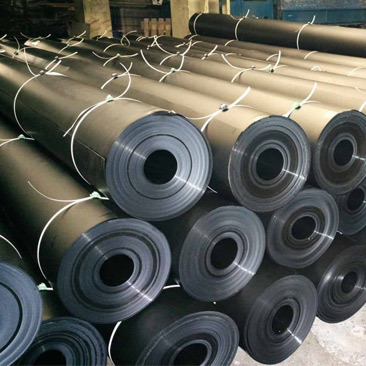
Geomembranes are impermeable synthetic membranes used to control fluid or gas migration in soil and rock environments. Commonly made from materials such as high-density polyethylene (HDPE), linear low-density polyethylene (LLDPE), and polyvinyl chloride (PVC), geomembranes are widely utilized in construction and civil engineering projects. Their primary function is to serve as barriers against water, chemicals, and other contaminants, making them essential in many applications.
One of the most prominent applications of geomembranes is in landfill construction. They are employed to create liners that prevent leachate—a toxic liquid formed when waste decomposes—from contaminating the surrounding soil and groundwater. The impermeable nature of geomembranes ensures that hazardous materials are contained, thus protecting the environment.
In addition to landfill applications, geomembranes are crucial in water retention structures, such as ponds, reservoirs, and canals. By lining these structures, geomembranes help to reduce water seepage, ensuring that the maximum amount of water is retained for its intended use. This is particularly important in areas prone to water scarcity, where efficient water management is essential.
Another significant application of geomembranes is in construction projects involving soil stabilization and erosion control. They are often used in retaining walls, green roofs, and slope protections to prevent soil erosion and maintain structural integrity. By providing a stable barrier, geomembranes help to facilitate safe construction practices while minimizing environmental impact.
The installation process of geomembranes is critical for their effectiveness. Proper surface preparation, careful handling, and accurate welding or seaming techniques are essential to ensure the geomembranes function as intended. Regular inspections and maintenance can further enhance their durability and performance over time.
In summary, geomembranes play an integral role in various construction and civil engineering applications. Their ability to provide barrier solutions against water, chemicals, and other contaminants makes them invaluable in protecting the environment and enhancing the safety and efficiency of construction projects. Understanding the properties and applications of geomembranes can help professionals make informed decisions when selecting materials for their construction needs. By utilizing geomembranes effectively, the construction industry can achieve sustainable and environmentally responsible outcomes.
One of the most prominent applications of geomembranes is in landfill construction. They are employed to create liners that prevent leachate—a toxic liquid formed when waste decomposes—from contaminating the surrounding soil and groundwater. The impermeable nature of geomembranes ensures that hazardous materials are contained, thus protecting the environment.
In addition to landfill applications, geomembranes are crucial in water retention structures, such as ponds, reservoirs, and canals. By lining these structures, geomembranes help to reduce water seepage, ensuring that the maximum amount of water is retained for its intended use. This is particularly important in areas prone to water scarcity, where efficient water management is essential.
Another significant application of geomembranes is in construction projects involving soil stabilization and erosion control. They are often used in retaining walls, green roofs, and slope protections to prevent soil erosion and maintain structural integrity. By providing a stable barrier, geomembranes help to facilitate safe construction practices while minimizing environmental impact.
The installation process of geomembranes is critical for their effectiveness. Proper surface preparation, careful handling, and accurate welding or seaming techniques are essential to ensure the geomembranes function as intended. Regular inspections and maintenance can further enhance their durability and performance over time.
In summary, geomembranes play an integral role in various construction and civil engineering applications. Their ability to provide barrier solutions against water, chemicals, and other contaminants makes them invaluable in protecting the environment and enhancing the safety and efficiency of construction projects. Understanding the properties and applications of geomembranes can help professionals make informed decisions when selecting materials for their construction needs. By utilizing geomembranes effectively, the construction industry can achieve sustainable and environmentally responsible outcomes.
CONTACT US
Address: Shuangyi Road, Lingcheng District, Dezhou City, Shandong Province


GET A DEDICATED QUOTATION