


Why PE Geomembrane is Key for Landfill Liner Applications
Release time:
2026-03-04
Understanding the Importance of PE Geomembrane in Landfill Liner Applications Landfill sites are critical components of waste management systems, serving as the final destination for a significant portion of the waste generated by urban and industrial activities. As environmental regulations tighten and public awareness of ecological issues grows, the need for effective containment systems has bec
Understanding the Importance of PE Geomembrane in Landfill Liner Applications
Landfill sites are critical components of waste management systems, serving as the final destination for a significant portion of the waste generated by urban and industrial activities. As environmental regulations tighten and public awareness of ecological issues grows, the need for effective containment systems has become paramount. Among these systems, **Polyethylene (PE) geomembranes** stand out as a key solution for landfill liner applications. This article explores why PE geomembrane is indispensable in modern landfill design and operation.
What is PE Geomembrane?
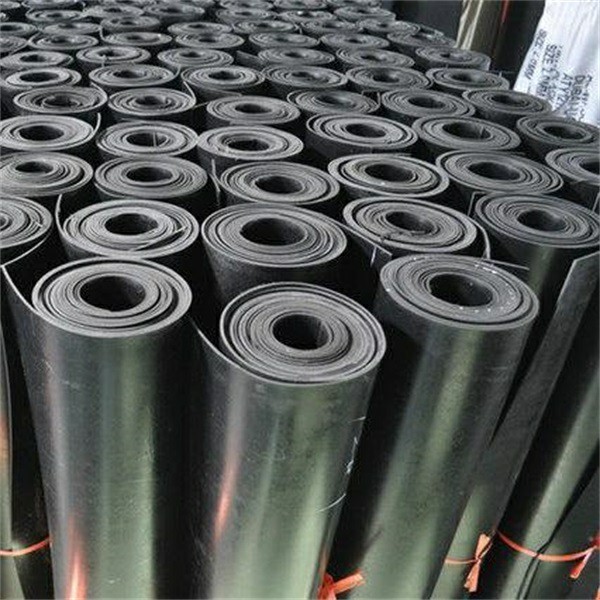
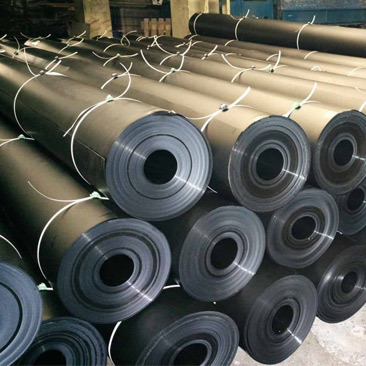
PE geomembrane is a synthetic membrane liner made primarily from polyethylene materials. Known for its durability and resistance to various environmental factors, it is widely used in landfill applications to prevent leachate from contaminating groundwater and surrounding ecosystems. This barrier plays a crucial role in ensuring that waste materials do not pose a risk to the environment or public health.
Composition and Properties of PE Geomembrane
PE geomembranes are typically manufactured from high-density polyethylene (HDPE) or linear low-density polyethylene (LLDPE), each providing unique advantages.
- **High-Density Polyethylene (HDPE)**: Known for its strength and resistance to puncturing, HDPE is ideal for applications requiring robust barriers.
- **Linear Low-Density Polyethylene (LLDPE)**: More flexible than HDPE, LLDPE is suitable for applications where ease of installation and adaptability are essential.
These materials exhibit excellent resistance to chemicals, UV radiation, and temperature fluctuations, making them perfect for long-term use in harsh landfill environments.
Key Characteristics of PE Geomembrane
- **Impermeability**: One of the most critical functions of a landfill liner is its ability to prevent liquid penetration. PE geomembranes offer superior impermeability to leachate, which is essential for protecting groundwater.
- **Durability**: Designed to withstand physical and chemical stressors, PE geomembranes have long service lives, reducing the need for replacements and minimizing long-term costs.
- **Flexibility**: The flexibility of PE geomembranes allows for easy installation, even in challenging terrains, ensuring comprehensive coverage of landfill sites.
The Role of PE Geomembrane in Landfill Liners
The primary purpose of PE geomembranes in landfill applications is to serve as a barrier to leachate and gases emanating from decomposing waste. Understanding this role highlights their importance within the landfill ecosystem.
Preventing Environmental Contamination
Landfill sites can produce leachate—a toxic liquid formed when rainwater filters through waste materials. Without proper containment, leachate can seep into the ground and contaminate nearby soil and groundwater supplies. PE geomembranes create a reliable barrier that prevents this contamination, safeguarding public health and preserving natural resources.
Gas Control Capabilities
In addition to controlling leachate, PE geomembranes also play a role in managing gases released during waste decomposition, such as methane. These materials can be integrated with gas extraction systems to mitigate harmful emissions, contributing to environmental sustainability.
Installation Techniques for PE Geomembrane
Proper installation of PE geomembranes is vital to ensure their effectiveness in landfill applications. Here, we outline the essential steps involved in the installation process.
Site Preparation
Before installing the geomembrane, the landfill site must be thoroughly prepared. This includes:
- **Clearing the area of debris**: Remove any sharp objects, rocks, or vegetation that could puncture the geomembrane.
- **Compacting the subgrade**: Ensure the subgrade is smooth and compacted to provide a stable foundation for the geomembrane.
Geomembrane Placement
Once the site is prepared, the geomembrane can be placed. Key considerations include:
- **Seaming Techniques**: Proper seam welding is crucial for maintaining the integrity of the geomembrane. Techniques include extrusion welding and hot wedge welding, which ensure strong, leak-proof seams.
- **Anchor Systems**: To secure the geomembrane in place, an anchoring system must be employed. This may involve trenching or using weighted materials to prevent uplift from wind or other forces.
Advantages of Using PE Geomembrane in Landfill Applications
PE geomembranes offer numerous advantages that contribute to their status as the preferred choice in landfill liner applications.
Cost-Effectiveness
While the initial investment in PE geomembranes may seem significant, their long-term benefits often outweigh these costs. The durability and longevity of these materials result in decreased maintenance and replacement expenses over time.
Environmental Sustainability
Utilizing PE geomembranes aligns with sustainable waste management practices. By preventing leachate contamination and controlling greenhouse gas emissions, these liners help reduce the environmental footprint of landfill operations.
Regulatory Compliance and Safety Standards
Adhering to environmental regulations is crucial for landfill operators. PE geomembranes are designed to meet stringent safety standards and regulations governing waste containment and management.
Environmental Protection Agency (EPA) Guidelines
In the United States, the EPA has established guidelines for landfill design and operation, including liner requirements. PE geomembranes fulfill these requirements, ensuring compliance and promoting environmental safety.
International Standards
Globally, many countries have adopted rigorous standards for landfill liners. PE geomembranes are recognized for their reliability and effectiveness in meeting these international requirements, making them a widely accepted solution.
Challenges and Considerations in Using PE Geomembrane
Despite their many advantages, there are challenges associated with the use of PE geomembranes that operators must consider.
Potential Installation Issues
Improper installation can lead to leaks and failures in geomembrane performance. It is essential to engage experienced professionals during the installation process to mitigate these risks.
Environmental Factors
While PE geomembranes are durable, extreme environmental conditions—such as prolonged exposure to UV rays or significant temperature fluctuations—can affect their integrity over time. Regular inspections and maintenance can help address these concerns.
Future Trends in PE Geomembrane Technology
As environmental challenges evolve, so too does the technology behind PE geomembranes. Innovations are continually emerging, enhancing the properties and applications of these materials.
Enhanced Materials and Techniques
Research is ongoing into new formulations and manufacturing techniques that improve the performance and sustainability of PE geomembranes. These advancements aim to further reduce environmental impact and enhance longevity.
Integration with Smart Technologies
The future of landfill management may involve the integration of smart technologies with geomembranes. Monitoring systems that provide real-time data on leachate levels and structural integrity could revolutionize how landfills are managed, allowing for proactive responses to potential issues.
FAQs about PE Geomembrane in Landfill Applications
1. What is the lifespan of a PE geomembrane?
Typically, PE geomembranes can last 20 to 30 years or more, depending on environmental conditions and maintenance practices.
2. How are leaks in geomembranes detected?
Leak detection systems often utilize sensors and monitoring technologies to identify breaches in the liner, enabling timely repairs.
3. Can PE geomembranes be recycled?
While recycling options are limited, some manufacturers are exploring methods to recycle used geomembranes, contributing to sustainability efforts.
4. What factors influence the choice of geomembrane type?
Factors include site conditions, the nature of waste, environmental regulations, and budget constraints.
5. Are PE geomembranes resistant to chemical exposure?
Yes, PE geomembranes are designed to resist a wide range of chemicals, making them suitable for diverse landfill applications.
Conclusion
In conclusion, **PE geomembranes** are vital for effective landfill liner applications, serving as the first line of defense against environmental contamination. Their unique properties, including impermeability, durability, and flexibility, make them indispensable in modern waste management practices. By understanding the importance of PE geomembranes, landfill operators can ensure compliance with regulations, protect natural resources, and contribute to environmental sustainability. As technology continues to evolve, the role of PE geomembranes will only become more critical, paving the way for safer, more efficient landfill management in the future.
CONTACT US
Address: Shuangyi Road, Lingcheng District, Dezhou City, Shandong Province


GET A DEDICATED QUOTATION