


Understanding the Benefits and Applications of Geomembrane Liners in Construction
Release time:
2026-03-03
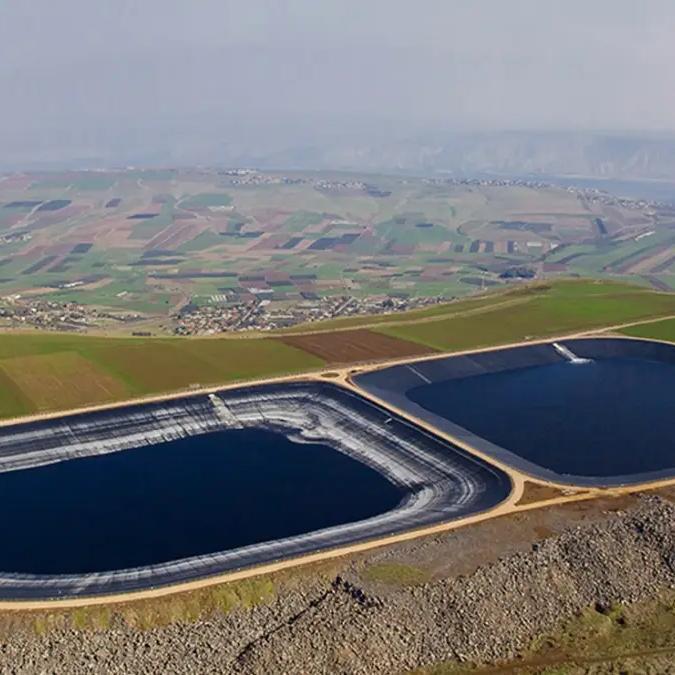
Geomembrane liners are essential materials used in various construction and environmental applications. Composed of synthetic polymers, these liners serve as impermeable barriers designed to control fluid migration in soil and water containment systems. Their versatility and durability make them an ideal choice for numerous projects, including landfills, ponds, reservoirs, and even artificial lake
Geomembrane liners are essential materials used in various construction and environmental applications. Composed of synthetic polymers, these liners serve as impermeable barriers designed to control fluid migration in soil and water containment systems. Their versatility and durability make them an ideal choice for numerous projects, including landfills, ponds, reservoirs, and even artificial lakes.
One of the primary benefits of geomembrane liners is their exceptional ability to prevent leakage. They are specifically engineered to resist the penetration of liquids, making them invaluable in applications where containment is critical. For instance, in landfill construction, geomembrane liners are employed to contain leachate, preventing harmful substances from contaminating groundwater. This characteristic not only protects the environment but also complies with regulatory standards for waste management.
In addition to their impermeability, geomembrane liners offer significant resistance to various physical and chemical stresses. They can withstand extreme temperatures, UV radiation, and chemical exposure, ensuring longevity and effectiveness even in challenging conditions. This durability translates to lower maintenance costs and reduced risks of failure over time, making them a cost-effective solution in the long run.
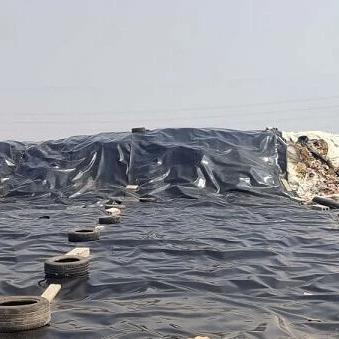
The installation of geomembrane liners requires careful planning and execution to ensure optimal performance. Proper surface preparation and seam welding techniques are crucial to achieving a seamless barrier. Additionally, quality control measures during the installation process can help identify potential issues early, which is vital for the success of the project.
Geomembrane liners are not limited to environmental applications; they are also increasingly used in various construction projects that require water management solutions. For example, in agricultural settings, these liners can be utilized to create water retention systems that support irrigation efforts. Their use in aquaculture systems helps maintain water quality by preventing water loss and controlling contamination.
When selecting a geomembrane liner, it is important to consider factors such as material type, thickness, and specific project requirements. Various options are available, including HDPE (High-Density Polyethylene), LLDPE (Linear Low-Density Polyethylene), and PVC (Polyvinyl Chloride), each offering distinct advantages based on the application.
In conclusion, geomembrane liners play a crucial role in modern construction and environmental protection efforts. Their ability to act as effective barriers against fluid migration, coupled with their durability and resistance to various stresses, makes them indispensable in a range of applications. Understanding their capabilities can help professionals select the right materials for their projects, thus enhancing safety and sustainability in construction practices.
One of the primary benefits of geomembrane liners is their exceptional ability to prevent leakage. They are specifically engineered to resist the penetration of liquids, making them invaluable in applications where containment is critical. For instance, in landfill construction, geomembrane liners are employed to contain leachate, preventing harmful substances from contaminating groundwater. This characteristic not only protects the environment but also complies with regulatory standards for waste management.
In addition to their impermeability, geomembrane liners offer significant resistance to various physical and chemical stresses. They can withstand extreme temperatures, UV radiation, and chemical exposure, ensuring longevity and effectiveness even in challenging conditions. This durability translates to lower maintenance costs and reduced risks of failure over time, making them a cost-effective solution in the long run.
The installation of geomembrane liners requires careful planning and execution to ensure optimal performance. Proper surface preparation and seam welding techniques are crucial to achieving a seamless barrier. Additionally, quality control measures during the installation process can help identify potential issues early, which is vital for the success of the project.
Geomembrane liners are not limited to environmental applications; they are also increasingly used in various construction projects that require water management solutions. For example, in agricultural settings, these liners can be utilized to create water retention systems that support irrigation efforts. Their use in aquaculture systems helps maintain water quality by preventing water loss and controlling contamination.
When selecting a geomembrane liner, it is important to consider factors such as material type, thickness, and specific project requirements. Various options are available, including HDPE (High-Density Polyethylene), LLDPE (Linear Low-Density Polyethylene), and PVC (Polyvinyl Chloride), each offering distinct advantages based on the application.
In conclusion, geomembrane liners play a crucial role in modern construction and environmental protection efforts. Their ability to act as effective barriers against fluid migration, coupled with their durability and resistance to various stresses, makes them indispensable in a range of applications. Understanding their capabilities can help professionals select the right materials for their projects, thus enhancing safety and sustainability in construction practices.
Previous Page
CONTACT US
Address: Shuangyi Road, Lingcheng District, Dezhou City, Shandong Province


GET A DEDICATED QUOTATION