


How Climate Change Influences the Use of Composite Geomembranes in Construction
Release time:
2026-03-02
How Climate Change Influences the Use of Composite Geomembranes in Construction Table of Contents 1. Introduction to Composite Geomembranes 2. The Impact of Climate Change on Construction Materials 3. What are Composite Geomembranes? 4. Benefits of Using Composite Geomembranes 5. Applications of Composite Geomembranes in Climate-Resilient Construction 6. Regulatory Conside
How Climate Change Influences the Use of Composite Geomembranes in Construction
Table of Contents
- 1. Introduction to Composite Geomembranes
- 2. The Impact of Climate Change on Construction Materials
- 3. What are Composite Geomembranes?
- 4. Benefits of Using Composite Geomembranes
- 5. Applications of Composite Geomembranes in Climate-Resilient Construction
- 6. Regulatory Considerations and Standards
- 7. Future Trends in Composite Geomembrane Technology
- 8. Conclusion
- 9. Frequently Asked Questions (FAQs)
1. Introduction to Composite Geomembranes
As climate change reshapes our environment, construction industries must adapt to new challenges. One of the most significant advancements is the use of **composite geomembranes**. These innovative materials are designed to provide solutions to various environmental issues, including water management, soil erosion, and contamination control. Understanding how climate change influences these materials is essential for construction professionals looking to enhance sustainability and resilience in their projects.
2. The Impact of Climate Change on Construction Materials
Climate change presents numerous challenges for the construction industry. Extreme weather events, rising sea levels, and changing temperature patterns can significantly impact the durability and performance of construction materials. Some key effects include:
2.1 Increased Frequency of Extreme Weather Events
The increase in severe weather events such as floods, hurricanes, and heavy rainfall can lead to soil erosion and structural damage. Construction materials must be resilient enough to withstand these challenges.
2.2 Rising Temperatures
Higher average temperatures can accelerate material degradation, especially for traditional waterproofing solutions. This necessitates the need for materials that can endure increased thermal stress.
2.3 Changes in Hydrological Patterns
As rainfall patterns become more unpredictable, traditional drainage solutions may become ineffective. Composite geomembranes offer enhanced moisture control, making them ideal for various applications.
3. What are Composite Geomembranes?
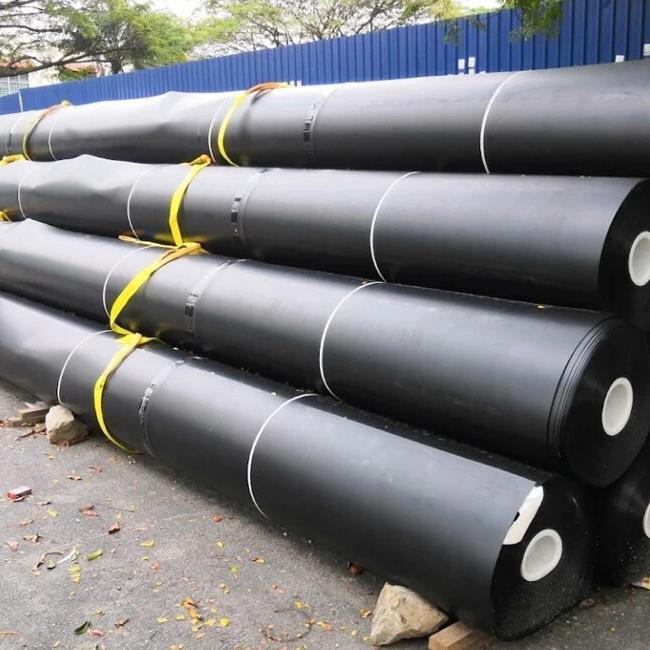
Composite geomembranes are engineered materials made from multiple components, typically combining a high-density polyethylene (HDPE) layer with a geotextile or other synthetic supports. These materials are designed to provide superior water containment and protection against environmental factors.
3.1 Composition and Structure
The structure of composite geomembranes is crucial to their effectiveness. The outer layer provides structural integrity and resistance to tearing, while the inner layer offers chemical resistance and impermeability.
3.2 Types of Composite Geomembranes
Different types of composite geomembranes are available, including:
- **HDPE Composite Geomembranes**: Known for their durability and chemical resistance.
- **PVC Composite Geomembranes**: More flexible and easier to install but may not offer the same chemical resistance as HDPE.
- **EPDM Composite Geomembranes**: Excellent for applications requiring elasticity and resistance to UV rays.
4. Benefits of Using Composite Geomembranes
The adoption of composite geomembranes in construction offers numerous advantages, particularly in the context of climate change.
4.1 Durability and Longevity
Composite geomembranes are designed to withstand harsh environmental conditions, making them a long-lasting solution for various applications.
4.2 Environmental Protection
These materials effectively prevent the contamination of soil and groundwater, which is critical in regions prone to flooding or chemical spills.
4.3 Cost-Effectiveness
While the initial investment may be higher than traditional materials, the long-term savings associated with reduced maintenance and replacement costs make composite geomembranes an economically viable choice.
4.4 Versatility in Applications
Composite geomembranes can be used in various projects, including landfills, wastewater treatment facilities, and stormwater management systems.
5. Applications of Composite Geomembranes in Climate-Resilient Construction
With the ongoing impact of climate change, specific applications of composite geomembranes are becoming increasingly relevant.
5.1 Landfills and Waste Management
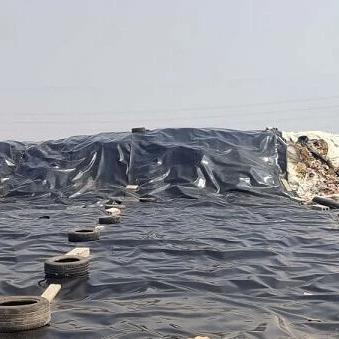
In landfill construction, composite geomembranes serve as barriers to protect soil and groundwater from contaminants. They play a crucial role in leachate management.
5.2 Water Conservation Projects
In regions facing water scarcity, these geomembranes are utilized in reservoirs and irrigation systems to minimize evaporation and leakage.
5.3 Flood Control Systems
Composite geomembranes can enhance flood control measures by providing effective barriers against rising water levels, thereby protecting infrastructure and communities.
5.4 Mining Operations
In mining, geomembranes are vital in managing tailings and protecting nearby ecosystems from contamination.
6. Regulatory Considerations and Standards
As the use of composite geomembranes becomes more common, adhering to regulatory standards is vital. Agencies often have guidelines regarding the material's performance and environmental impact.
6.1 Industry Standards
Organizations like ASTM International and the International Geosynthetics Society provide important standards that guide the use of geomembranes in construction.
6.2 Environmental Regulations
Compliance with local and national environmental regulations ensures that projects meet sustainability criteria and protect natural resources.
7. Future Trends in Composite Geomembrane Technology
The future of composite geomembranes in construction looks promising, particularly as technology continues to evolve.
7.1 Innovations in Material Composition
Research and development are focused on creating more sustainable materials, including recyclable options, which can significantly reduce the environmental footprint.
7.2 Smart Geomembranes
The integration of technology into geomembranes, such as sensors that monitor moisture and temperature, is becoming a reality, enhancing their functionality.
7.3 Increased Focus on Sustainability
With growing awareness of climate change, there is an increasing emphasis on using sustainable materials and practices in construction.
8. Conclusion
The influence of climate change on construction practices is undeniable, and the adoption of **composite geomembranes** presents a viable solution to many challenges. Their durability, versatility, and environmental protection capabilities make them an essential component in climate-resilient construction. As the industry continues to innovate and adapt, these materials will play a pivotal role in ensuring that construction practices meet the demands of a changing world.
9. Frequently Asked Questions (FAQs)
Q1: What are the primary uses of composite geomembranes?
A1: Composite geomembranes are primarily used in landfills, water conservation projects, flood control systems, and mining operations.
Q2: How do composite geomembranes contribute to environmental protection?
A2: These materials prevent soil and groundwater contamination, effectively managing leachate and protecting ecosystems.
Q3: Are composite geomembranes sustainable?
A3: Innovations in material composition are leading to more sustainable, recyclable options in composite geomembranes, aligning with eco-friendly construction practices.
Q4: What standards govern the use of composite geomembranes?
A4: Organizations like ASTM International and the International Geosynthetics Society establish guidelines and standards for the performance and environmental impact of geomembranes.
Q5: How do composite geomembranes perform in extreme weather conditions?
A5: Composite geomembranes are engineered to withstand harsh environmental conditions, including extreme weather events, making them a reliable choice for climate-resilient applications.
This comprehensive exploration of how climate change influences the use of composite geomembranes not only sheds light on the material's significance but also reinforces the need for sustainable practices in the construction industry.
Previous Page
CONTACT US
Address: Shuangyi Road, Lingcheng District, Dezhou City, Shandong Province


GET A DEDICATED QUOTATION