


Understanding Geomembrane Material: Essential Insights for Construction Projects
Release time:
2026-03-01
Geomembrane material is a Geosynthetic product commonly employed in construction, particularly in the fields of civil engineering and environmental management. This versatile material acts as a barrier to fluids, providing essential protection against contamination and leakage. Typically made from polymers such as polyethylene, polypropylene, and polyvinyl chloride (PVC), geomembranes are designed
Geomembrane material is a Geosynthetic product commonly employed in construction, particularly in the fields of civil engineering and environmental management. This versatile material acts as a barrier to fluids, providing essential protection against contamination and leakage. Typically made from polymers such as polyethylene, polypropylene, and polyvinyl chloride (PVC), geomembranes are designed to offer durability, flexibility, and resistance to chemical attacks, making them ideal for a variety of applications.
One of the primary uses of geomembrane material is in landfill construction. It serves as a liner to prevent leachate from escaping into the surrounding soil and groundwater, ensuring environmental safety. Additionally, geomembranes are integral in constructing water reservoirs, ponds, and canals, where they help in retaining water and minimizing evaporation losses. Their waterproof nature makes them suitable for applications in mining, where they are used to contain hazardous materials and prevent environmental contamination.
The installation of geomembrane material requires careful consideration of various factors, including site conditions and material selection. It is essential to choose the right thickness and type of geomembrane based on the project requirements. For instance, thicker geomembranes may be necessary in areas with aggressive chemical exposure, while lighter materials might suffice for simpler applications.
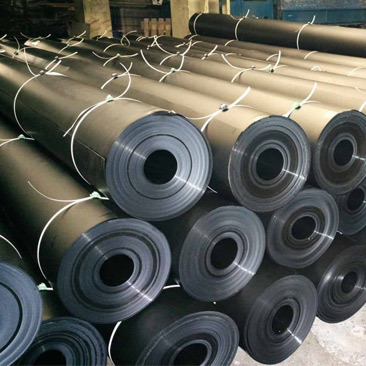
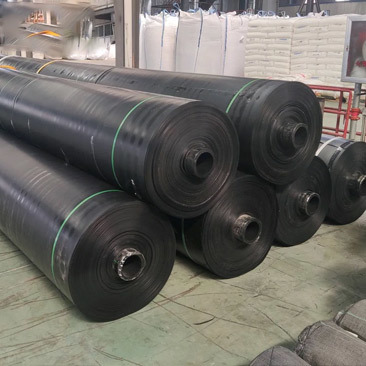
Moreover, geomembrane material offers several advantages, such as ease of installation and maintenance. Modern geomembranes are often supplied in large rolls, allowing for quick deployment and reduced seams, which can be potential leakage points. Their lightweight nature also facilitates easier handling and installation, reducing labor costs and time.
Another important aspect to consider is the long-term performance of geomembrane materials. Quality assurance is critical, as the longevity of these materials directly impacts the project's sustainability. Regular inspections and maintenance can help identify any potential issues early on, ensuring the integrity of the barrier remains intact over time.
In conclusion, geomembrane material is a vital component in modern construction projects, offering effective solutions for fluid containment and environmental protection. By understanding its characteristics and applications, construction professionals can make informed decisions that enhance project outcomes and ensure compliance with environmental standards. Whether you're involved in landfill construction, water management, or mining operations, incorporating high-quality geomembrane materials can lead to safer and more efficient project execution.
One of the primary uses of geomembrane material is in landfill construction. It serves as a liner to prevent leachate from escaping into the surrounding soil and groundwater, ensuring environmental safety. Additionally, geomembranes are integral in constructing water reservoirs, ponds, and canals, where they help in retaining water and minimizing evaporation losses. Their waterproof nature makes them suitable for applications in mining, where they are used to contain hazardous materials and prevent environmental contamination.
The installation of geomembrane material requires careful consideration of various factors, including site conditions and material selection. It is essential to choose the right thickness and type of geomembrane based on the project requirements. For instance, thicker geomembranes may be necessary in areas with aggressive chemical exposure, while lighter materials might suffice for simpler applications.
Moreover, geomembrane material offers several advantages, such as ease of installation and maintenance. Modern geomembranes are often supplied in large rolls, allowing for quick deployment and reduced seams, which can be potential leakage points. Their lightweight nature also facilitates easier handling and installation, reducing labor costs and time.
Another important aspect to consider is the long-term performance of geomembrane materials. Quality assurance is critical, as the longevity of these materials directly impacts the project's sustainability. Regular inspections and maintenance can help identify any potential issues early on, ensuring the integrity of the barrier remains intact over time.
In conclusion, geomembrane material is a vital component in modern construction projects, offering effective solutions for fluid containment and environmental protection. By understanding its characteristics and applications, construction professionals can make informed decisions that enhance project outcomes and ensure compliance with environmental standards. Whether you're involved in landfill construction, water management, or mining operations, incorporating high-quality geomembrane materials can lead to safer and more efficient project execution.
CONTACT US
Address: Shuangyi Road, Lingcheng District, Dezhou City, Shandong Province


GET A DEDICATED QUOTATION