


Understanding Geomembrane Material: Essential Insights for Construction Professionals
Release time:
2026-02-19
Geomembrane material is a crucial component in various construction and civil engineering projects, primarily due to its exceptional impermeability and durability. These synthetic membranes are designed to control fluid and gas migration in a wide range of applications, including waste containment, water conservation, and soil stabilization. Understanding the characteristics and advantages of geom
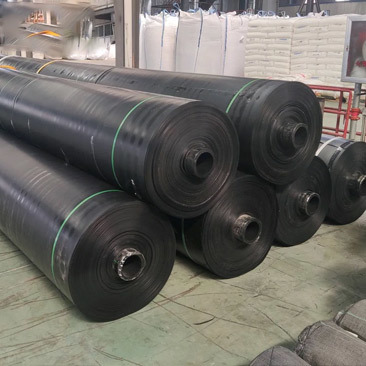
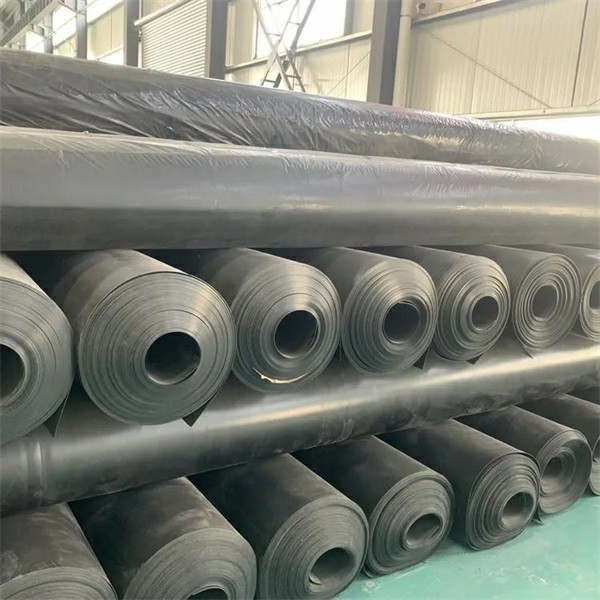
Geomembrane material is a crucial component in various construction and civil engineering projects, primarily due to its exceptional impermeability and durability. These synthetic membranes are designed to control fluid and gas migration in a wide range of applications, including waste containment, water conservation, and soil stabilization. Understanding the characteristics and advantages of geomembranes can greatly enhance the efficiency and sustainability of construction endeavors.
One of the most common types of geomembrane materials is high-density polyethylene (HDPE). This material is renowned for its excellent chemical resistance and UV stability, making it an ideal choice for both landfills and hydraulic structures. Similarly, ethylene propylene diene monomer (EPDM) membranes are valued for their flexibility and resilience, particularly in environments subjected to extreme temperature fluctuations. Each type of geomembrane material has specific properties that make it suitable for particular applications, and understanding these differences is essential for selecting the right material for your project.
The application of geomembrane materials spans a wide array of projects. In landfill construction, for instance, geomembranes are used to prevent leachate from contaminating groundwater. In agricultural applications, these materials can be instrumental in creating ponds or reservoirs, thus aiding in water conservation efforts. Additionally, geomembranes are increasingly used in green roofs and landscape designs, where they serve to manage drainage and protect underlying structures.
Moreover, the installation process of geomembrane materials requires careful consideration. Professionals must ensure proper welding and sealing techniques to achieve a watertight barrier. Regular maintenance and inspection are also vital to extend the lifespan of these materials and ensure their effectiveness over time.
In conclusion, geomembrane materials are indispensable in various construction and engineering applications. Their unique properties, including impermeability and durability, make them suitable for a multitude of uses, from environmental protection to water management. For construction professionals, understanding the different types of geomembrane materials and their applications is critical for successful project execution, leading to sustainable and effective results. Embracing the potential of geomembrane materials can significantly contribute to the overall success of construction projects, ensuring functionality and longevity in the built environment.
One of the most common types of geomembrane materials is high-density polyethylene (HDPE). This material is renowned for its excellent chemical resistance and UV stability, making it an ideal choice for both landfills and hydraulic structures. Similarly, ethylene propylene diene monomer (EPDM) membranes are valued for their flexibility and resilience, particularly in environments subjected to extreme temperature fluctuations. Each type of geomembrane material has specific properties that make it suitable for particular applications, and understanding these differences is essential for selecting the right material for your project.
The application of geomembrane materials spans a wide array of projects. In landfill construction, for instance, geomembranes are used to prevent leachate from contaminating groundwater. In agricultural applications, these materials can be instrumental in creating ponds or reservoirs, thus aiding in water conservation efforts. Additionally, geomembranes are increasingly used in green roofs and landscape designs, where they serve to manage drainage and protect underlying structures.
Moreover, the installation process of geomembrane materials requires careful consideration. Professionals must ensure proper welding and sealing techniques to achieve a watertight barrier. Regular maintenance and inspection are also vital to extend the lifespan of these materials and ensure their effectiveness over time.
In conclusion, geomembrane materials are indispensable in various construction and engineering applications. Their unique properties, including impermeability and durability, make them suitable for a multitude of uses, from environmental protection to water management. For construction professionals, understanding the different types of geomembrane materials and their applications is critical for successful project execution, leading to sustainable and effective results. Embracing the potential of geomembrane materials can significantly contribute to the overall success of construction projects, ensuring functionality and longevity in the built environment.
CONTACT US
Address: Shuangyi Road, Lingcheng District, Dezhou City, Shandong Province


GET A DEDICATED QUOTATION