


Composite Geomembranes: Essential for Contaminated Land Remediation
Release time:
2026-02-20
Composite Geomembranes: Essential for Contaminated Land Remediation Table of Contents 1. Introduction to Composite Geomembranes 2. Understanding Geomembranes and Their Types 3. Benefits of Composite Geomembranes in Land Remediation 4. Applications of Composite Geomembranes in Contaminated Land Remediation 5. Installation Techniques for Composite Geomembranes
Composite Geomembranes: Essential for Contaminated Land Remediation
Table of Contents
- 1. Introduction to Composite Geomembranes
- 2. Understanding Geomembranes and Their Types
- 3. Benefits of Composite Geomembranes in Land Remediation
- 4. Applications of Composite Geomembranes in Contaminated Land Remediation
- 5. Installation Techniques for Composite Geomembranes
- 6. Environmental Impact of Using Composite Geomembranes
- 7. Case Studies: Successful Remediation Projects
- 8. Future Trends in Geomembrane Technology
- 9. Frequently Asked Questions
- 10. Conclusion
1. Introduction to Composite Geomembranes
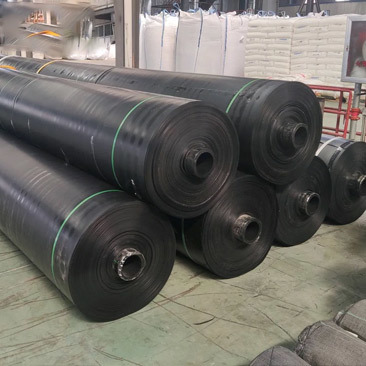
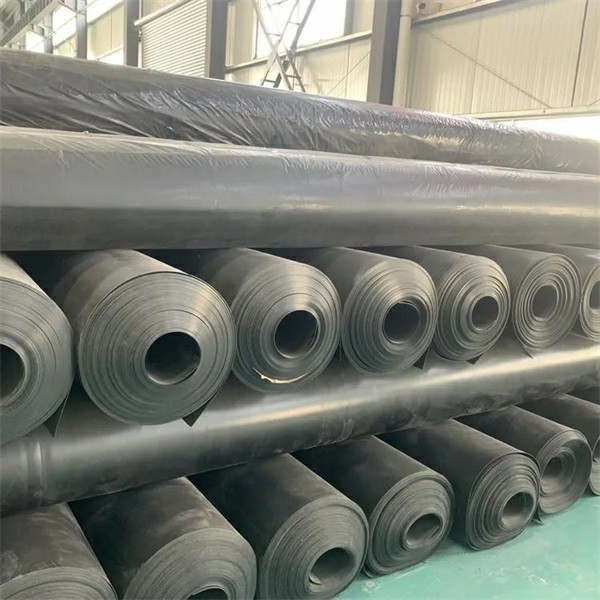
Composite geomembranes are critical components in environmental engineering, particularly in the remediation of contaminated land. They are made from a combination of materials, typically a polymer layer bonded to a geotextile, providing optimal performance in containing hazardous substances. With increasing concerns about environmental pollution, the use of composite geomembranes has become essential in safeguarding both the environment and public health.
2. Understanding Geomembranes and Their Types
Geomembranes are impermeable membranes used for containment and separation in various applications. They are classified into several types based on their material composition:
2.1 Polyethylene Geomembranes
Polyethylene geomembranes, including High-Density Polyethylene (HDPE) and Low-Density Polyethylene (LDPE), are widely used due to their excellent chemical resistance and durability.
2.2 Polyvinyl Chloride (PVC) Geomembranes
PVC geomembranes are flexible and adaptable, making them suitable for various applications, including waste containment and water reservoirs.
2.3 Composite Geomembranes
Composite geomembranes combine the strengths of different materials, typically featuring a polymeric layer covered by a geotextile. This combo enhances mechanical strength, durability, and ease of installation.
3. Benefits of Composite Geomembranes in Land Remediation
The advantages of using composite geomembranes in contaminated land remediation are numerous.
3.1 Enhanced Containment
The layered structure of composite geomembranes offers superior containment capabilities, preventing the migration of hazardous substances into surrounding soil and groundwater.
3.2 Durability and Longevity
Composite geomembranes are designed to withstand harsh environmental conditions, including UV exposure, chemical attacks, and extreme temperatures. This durability ensures long-term effectiveness in remediation projects.
3.3 Cost-Effectiveness
Using composite geomembranes can significantly reduce overall remediation costs. Their efficient installation process and low maintenance requirements contribute to financial savings over time.
3.4 Versatility
Composite geomembranes can be customized for various applications, making them suitable for diverse contaminated sites, from industrial areas to landfills.
4. Applications of Composite Geomembranes in Contaminated Land Remediation
Composite geomembranes are utilized in several crucial applications related to contaminated land remediation.
4.1 Landfill Liners
They serve as effective liners in landfills, preventing leachate from escaping and contaminating groundwater sources.
4.2 Wastewater Treatment
In wastewater treatment facilities, composite geomembranes act as barriers that prevent the seepage of harmful contaminants into the soil.
4.4 Brownfield Redevelopment
Composite geomembranes facilitate the redevelopment of brownfield sites by containing hazardous materials and allowing for safe construction practices.
5. Installation Techniques for Composite Geomembranes
Proper installation techniques are crucial for maximizing the effectiveness of composite geomembranes in remediation projects.
5.1 Site Preparation
Before installation, thorough site preparation is essential, including surface grading and removal of sharp objects that could puncture the geomembrane.
5.2 Seam Installation
Seams in composite geomembranes must be securely welded or bonded to prevent leaks. Techniques such as hot wedge welding or extrusion welding are commonly employed.
5.3 Quality Assurance
Post-installation inspections are vital to ensure that the geomembrane is intact and functioning as intended. Regular monitoring and maintenance can help identify potential issues early.
6. Environmental Impact of Using Composite Geomembranes
The use of composite geomembranes not only aids in remediation efforts but also has significant positive environmental impacts.
6.1 Pollution Prevention
By preventing contaminants from migrating into the environment, composite geomembranes help protect ecosystems and public health.
6.2 Sustainable Practices
The longevity and durability of composite geomembranes contribute to sustainable land management practices, promoting long-term environmental health.
6.3 Recycling Potential
Many composite geomembranes are designed with recycling in mind, further reducing their environmental footprint upon disposal.
7. Case Studies: Successful Remediation Projects
Examining real-world applications of composite geomembranes provides valuable insights into their effectiveness.
7.1 Case Study 1: Urban Landfill Remediation
In a major urban area, composite geomembranes were implemented to remediate a contaminated landfill site. The project successfully prevented leachate migration, resulting in the safe redevelopment of the area.
7.2 Case Study 2: Industrial Site Cleanup
An industrial site plagued by hazardous waste was revitalized using composite geomembranes as part of the cleanup process, allowing for the safe return of the land to public use.
8. Future Trends in Geomembrane Technology
As technology evolves, so too does the field of geomembranes. Several trends are emerging that may shape the future of composite geomembranes.
8.1 Advancements in Material Science
Innovations in material science are leading to the development of even more resilient and environmentally friendly geomembranes.
8.2 Smart Geomembranes
The integration of smart technology into geomembranes, such as sensors for leak detection, promises to enhance monitoring and maintenance capabilities.
8.3 Increased Regulatory Support
As regulations surrounding land remediation tighten, the demand for effective solutions like composite geomembranes will continue to rise.
9. Frequently Asked Questions
9.1 What are composite geomembranes made of?
Composite geomembranes typically consist of a polymeric layer (such as HDPE) bonded to a geotextile, offering enhanced strength and durability.
9.2 How do composite geomembranes prevent contamination?
These geomembranes create an impermeable barrier that prevents hazardous substances from migrating into the surrounding soil and groundwater.
9.3 What are the installation costs for composite geomembranes?
Installation costs can vary widely based on the project size and site conditions, but they are generally considered cost-effective in the long run due to their durability.
9.4 Are composite geomembranes recyclable?
Many composite geomembranes are designed for recyclability, allowing for responsible disposal at the end of their life cycle.
9.5 What applications are best suited for composite geomembranes?
Composite geomembranes are ideal for applications such as landfill liners, wastewater treatment facilities, and brownfield redevelopments.
10. Conclusion
In summary, composite geomembranes are instrumental in the remediation of contaminated land, offering a robust solution to one of today's pressing environmental challenges. Their ability to enhance containment, durability, and cost-effectiveness makes them a preferred choice in various applications. As technology continues to advance, the future of composite geomembranes looks promising, poised to play an even more significant role in sustainable environmental practices. Embracing these innovations will not only benefit current remediation efforts but also pave the way for a cleaner and safer environment for generations to come.
CONTACT US
Address: Shuangyi Road, Lingcheng District, Dezhou City, Shandong Province


GET A DEDICATED QUOTATION