


Geomembrane: The Unsung Hero of Construction Materials
Release time:
2026-02-18
Geomembrane: The Unsung Hero of Construction Materials In the ever-evolving world of construction materials, certain innovations often remain in the shadows, overshadowed by more visible components like concrete and steel. One such critical innovation is the geomembrane—a versatile, durable, and essential component in construction and civil engineering. This article dives deep into the role, appli
Geomembrane: The Unsung Hero of Construction Materials
In the ever-evolving world of construction materials, certain innovations often remain in the shadows, overshadowed by more visible components like concrete and steel. One such critical innovation is the geomembrane—a versatile, durable, and essential component in construction and civil engineering. This article dives deep into the role, applications, and benefits of geomembranes, illustrating why they deserve recognition as unsung heroes in the construction industry.
Table of Contents
- 1. Introduction to Geomembranes
- 2. What Are Geomembranes?
- 3. Types of Geomembranes
- 4. Applications of Geomembranes in Construction
- 5. Advantages of Using Geomembranes
- 6. The Installation Process of Geomembranes
- 7. Environmental Impact and Sustainability
- 8. The Future of Geomembranes in Construction
- 9. FAQs about Geomembranes
- 10. Conclusion
1. Introduction to Geomembranes
Geomembranes have emerged as a crucial material in construction projects worldwide. Their primary function is to act as a barrier against water and other liquids, preventing seepage and contamination. However, their benefits extend far beyond mere waterproofing. Understanding the significance of geomembranes is essential for professionals in construction and environmental management.
2. What Are Geomembranes?
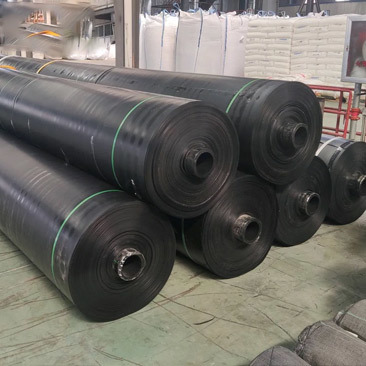
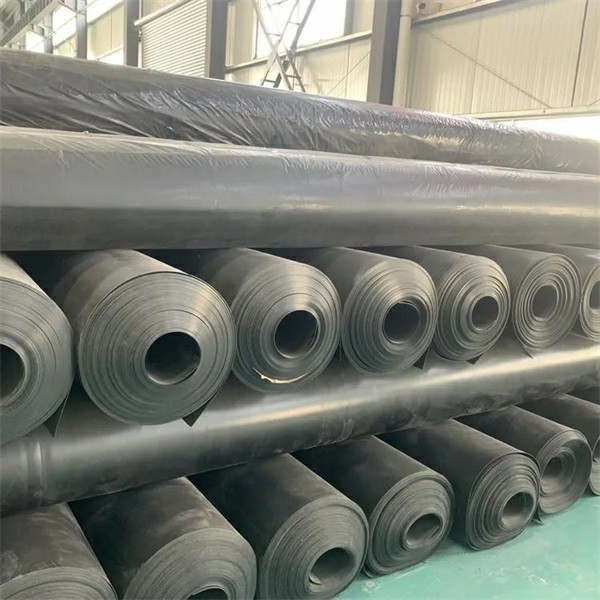
Geomembranes are synthetic membranes made from various polymers, including polyethylene, polypropylene, and polyvinyl chloride (PVC). These materials are engineered to provide excellent impermeability, durability, and flexibility. Geomembranes come in various thicknesses and can be manufactured to meet specific project requirements, making them indispensable in numerous applications.
Key Characteristics of Geomembranes
- Impermeability: Geomembranes prevent the migration of liquids, making them ideal for containing hazardous materials.
- Durability: They are resistant to punctures, UV radiation, and extreme temperatures.
- Flexibility: Geomembranes can conform to various shapes and surfaces, allowing for easy installation.
- Cost-Effectiveness: The long lifespan and low maintenance requirements of geomembranes contribute to their overall cost-effectiveness.
3. Types of Geomembranes
Understanding the different types of geomembranes is crucial for selecting the right material for specific applications. The most common types include:
3.1 High-Density Polyethylene (HDPE) Geomembranes
HDPE geomembranes are known for their high tensile strength and resistance to chemicals, making them suitable for various containment applications, including landfills and mining operations.
3.2 Linear Low-Density Polyethylene (LLDPE) Geomembranes
LLDPE geomembranes offer greater flexibility and elongation properties compared to HDPE. They are often used in applications where flexibility is essential.
3.3 Polyvinyl Chloride (PVC) Geomembranes
PVC geomembranes are versatile and can be easily welded, making them suitable for applications in ponds, reservoirs, and canals. Their inherent chemical resistance is also a significant advantage.
3.4 Ethylene Propylene Diene Monomer (EPDM) Geomembranes
EPDM geomembranes are particularly effective in applications requiring UV resistance and flexibility, such as green roofs and landscaping projects.
4. Applications of Geomembranes in Construction
Geomembranes find extensive use in various construction applications. Below are some of the most common and impactful uses:
4.1 Landfill Liners
One of the primary applications of geomembranes is in landfill construction. They serve as liners that prevent leachate (liquid waste) from contaminating the surrounding soil and groundwater. By containing pollutants, geomembranes safeguard public health and the environment.
4.2 Water Containment Structures
Geomembranes are utilized in constructing reservoirs, ponds, and canals. These barriers ensure that water remains contained, preventing loss through seepage. They are particularly beneficial in arid regions where water conservation is critical.
4.3 Mining Operations
In the mining industry, geomembranes are used for tailings storage facilities and heap leaching operations. They provide a reliable barrier against chemical leachates, protecting the environment from contamination.
4.4 Agricultural Applications
Pond liners made from geomembranes are widely used in agriculture to retain water for irrigation and livestock. Additionally, they prevent soil erosion and maintain soil moisture levels, enhancing crop production.
5. Advantages of Using Geomembranes
The incorporation of geomembranes in construction projects offers numerous advantages:
5.1 Environmental Protection
Geomembranes play a vital role in protecting the environment by preventing the leakage of hazardous substances into the soil and groundwater. Their usage mitigates the risk of pollution and promotes sustainable practices.
5.2 Cost Savings
While the upfront cost of geomembranes may vary, their durability and low maintenance requirements lead to significant long-term savings. Fewer repairs and replacements reduce the overall financial burden on projects.
5.3 Enhanced Project Performance
Geomembranes contribute to improved project performance by ensuring effective containment and reducing water loss. This efficiency leads to better resource management and project outcomes.
6. The Installation Process of Geomembranes
The successful installation of geomembranes is crucial for their effectiveness. The process typically involves the following steps:
6.1 Site Preparation
Before installation, the site must be thoroughly prepared. This includes clearing debris, leveling the area, and ensuring a stable foundation.
6.2 Material Selection
Choosing the right geomembrane material based on project requirements is essential. Factors such as chemical compatibility, thickness, and flexibility must be considered.
6.3 Laying the Geomembrane
The geomembrane is laid out on the prepared surface, ensuring it is free of wrinkles and air pockets. Proper alignment is critical for effective sealing.
6.4 Seaming and Welding
Seaming techniques, including thermal welding and adhesive bonding, are employed to join geomembrane sections. Quality control measures must be in place to ensure strong, impermeable seams.
6.5 Testing
After installation, testing is conducted to verify the integrity of the geomembrane system. This may include water fill tests and pressure tests to ensure there are no leaks.
7. Environmental Impact and Sustainability
As the construction industry increasingly prioritizes sustainability, geomembranes offer eco-friendly solutions. Their ability to contain hazardous materials prevents environmental degradation, and many geomembrane products are recyclable, further minimizing their environmental footprint.
Additionally, the use of geomembranes in water conservation initiatives supports sustainable resource management. By preventing evaporation and leakage, these materials contribute to preserving valuable water supplies. With the growing emphasis on reducing pollution and managing resources responsibly, geomembranes stand at the forefront of sustainable construction practices.
8. The Future of Geomembranes in Construction
The future of geomembranes looks promising as innovations continue to emerge in material science and engineering. Biodegradable geomembranes, for instance, are being developed to further enhance environmental compatibility. Additionally, advancements in manufacturing processes are leading to stronger, more adaptable geomembranes that can meet the demands of increasingly complex construction projects.
The integration of smart technologies in geomembrane systems is also on the horizon. Embedded sensors for monitoring leaks and structural integrity will enhance the functionality of geomembranes, ensuring they perform optimally in various environments.
9. FAQs about Geomembranes
9.1 What is the primary purpose of a geomembrane?
The primary purpose of a geomembrane is to act as a barrier to prevent the movement of liquids or gases, protecting the environment and containing hazardous materials.
9.2 How long do geomembranes last?
Geomembranes can last over 20 years if properly installed and maintained, with some materials capable of lasting even longer under ideal conditions.
9.3 Are geomembranes environmentally friendly?
Many geomembranes are designed to be environmentally friendly, being made from recyclable materials and preventing contamination of soil and water.
9.4 Can geomembranes be repaired?
Yes, geomembranes can be repaired using specialized techniques such as welding or adhesive bonding, depending on the type of damage and material.
9.5 What factors should be considered when selecting a geomembrane?
Key factors include the intended application, environmental conditions, chemical exposure, thickness, and regulatory compliance requirements.
10. Conclusion
Geomembranes are undoubtedly the unsung heroes of the construction industry. Their ability to provide reliable waterproofing, environmental protection, and cost-effective solutions makes them indispensable in modern construction projects. As technology continues to advance, geomembranes will play an even more significant role in sustainable construction practices, ensuring that we build responsibly while safeguarding our environment.
CONTACT US
Address: Shuangyi Road, Lingcheng District, Dezhou City, Shandong Province


GET A DEDICATED QUOTATION