


Understanding PE Geomembrane: Key Insights for Construction and Waterproofing
Release time:
2026-02-17
PE geomembrane, made from polyethylene, is widely recognized for its durability and flexibility, making it an ideal choice for a variety of construction and waterproofing applications. One of the primary advantages of PE geomembrane is its excellent resistance to punctures and tears. This property ensures that it maintains integrity even in challenging environments, such as landfills or mining ope
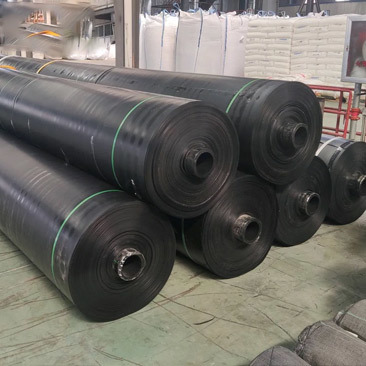
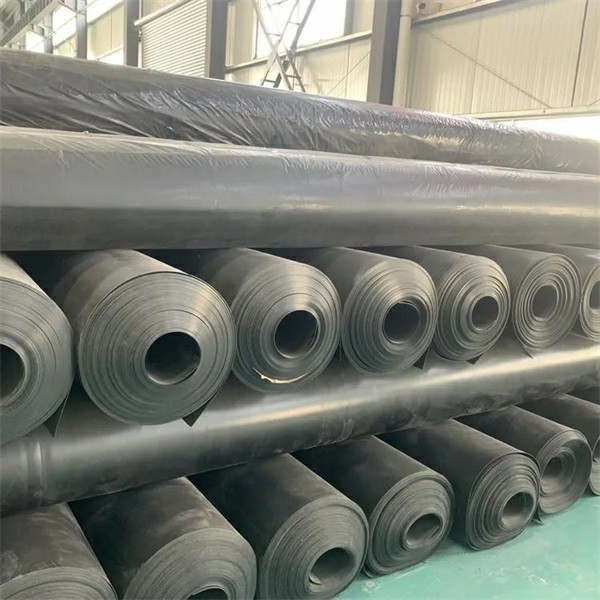
PE geomembrane, made from polyethylene, is widely recognized for its durability and flexibility, making it an ideal choice for a variety of construction and waterproofing applications. One of the primary advantages of PE geomembrane is its excellent resistance to punctures and tears. This property ensures that it maintains integrity even in challenging environments, such as landfills or mining operations where sharp objects may be present.
Another significant benefit is its impermeability. PE geomembranes serve as effective barriers against liquids and gases, preventing contamination of soil and groundwater. This characteristic is particularly important in projects that involve waste containment, as it helps protect the environment from potential pollutants. Furthermore, its chemical resistance allows it to withstand various substances, making it suitable for agricultural applications, waste management, and even water reservoir linings.
The versatility of PE geomembrane extends to its installation methods, which can vary depending on the project requirements. It can be welded, glued, or mechanically fastened, providing flexibility in how it can be deployed on-site. This adaptability facilitates easier handling and application, making it a preferred choice among construction professionals.
In terms of longevity, PE geomembranes are designed to endure harsh weather conditions. Their UV resistance minimizes degradation from sunlight exposure, ensuring a longer lifespan, which can lead to cost savings over time. Additionally, they are lightweight and easy to transport, further enhancing their appeal for construction projects where efficiency is key.
When considering the use of PE geomembrane, it is also essential to pay attention to the thickness and specific type that best suits the project requirements. Thicker membranes offer greater durability, while thinner options may be more suitable for less demanding applications. Consulting with experts and understanding the specific needs of your project can lead to more informed decisions regarding the appropriate PE geomembrane type to use.
In conclusion, PE geomembrane is an invaluable resource in the construction and waterproofing sectors. Its resistance to punctures and chemicals, along with its impermeability and adaptability, makes it a standout choice for various applications. By understanding these attributes and effectively implementing them in your projects, you can ensure successful and sustainable outcomes. Always assess your project requirements carefully and consider the environmental impact to maximize the benefits of this versatile material.
Another significant benefit is its impermeability. PE geomembranes serve as effective barriers against liquids and gases, preventing contamination of soil and groundwater. This characteristic is particularly important in projects that involve waste containment, as it helps protect the environment from potential pollutants. Furthermore, its chemical resistance allows it to withstand various substances, making it suitable for agricultural applications, waste management, and even water reservoir linings.
The versatility of PE geomembrane extends to its installation methods, which can vary depending on the project requirements. It can be welded, glued, or mechanically fastened, providing flexibility in how it can be deployed on-site. This adaptability facilitates easier handling and application, making it a preferred choice among construction professionals.
In terms of longevity, PE geomembranes are designed to endure harsh weather conditions. Their UV resistance minimizes degradation from sunlight exposure, ensuring a longer lifespan, which can lead to cost savings over time. Additionally, they are lightweight and easy to transport, further enhancing their appeal for construction projects where efficiency is key.
When considering the use of PE geomembrane, it is also essential to pay attention to the thickness and specific type that best suits the project requirements. Thicker membranes offer greater durability, while thinner options may be more suitable for less demanding applications. Consulting with experts and understanding the specific needs of your project can lead to more informed decisions regarding the appropriate PE geomembrane type to use.
In conclusion, PE geomembrane is an invaluable resource in the construction and waterproofing sectors. Its resistance to punctures and chemicals, along with its impermeability and adaptability, makes it a standout choice for various applications. By understanding these attributes and effectively implementing them in your projects, you can ensure successful and sustainable outcomes. Always assess your project requirements carefully and consider the environmental impact to maximize the benefits of this versatile material.
CONTACT US
Address: Shuangyi Road, Lingcheng District, Dezhou City, Shandong Province


GET A DEDICATED QUOTATION