


The Future of Geomembrane Liners in Environmental Engineering: Innovations and Trends
Release time:
2026-02-16
The Future of Geomembrane Liners in Environmental Engineering Table of Contents Introduction to Geomembrane Liners Significance in Environmental Engineering Types of Geomembrane Materials Applications of Geomembrane Liners Technological Innovations in Geomembranes Challenges in Geomembrane Implementation Future Trends in Geomembrane Technology Conclusion FAQs
The Future of Geomembrane Liners in Environmental Engineering
Table of Contents
- Introduction to Geomembrane Liners
- Significance in Environmental Engineering
- Types of Geomembrane Materials
- Applications of Geomembrane Liners
- Technological Innovations in Geomembranes
- Challenges in Geomembrane Implementation
- Future Trends in Geomembrane Technology
- Conclusion
- FAQs
Introduction to Geomembrane Liners
Geomembrane liners are critical components in modern environmental engineering, primarily used to contain fluids or gases in various applications. These synthetic membranes are designed to prevent leakage, making them essential for projects involving waste containment, water management, and other environmental protection measures.
The core function of geomembranes is to serve as barriers that separate different materials. As environmental regulations become more stringent, the demand for effective containment solutions has increased, highlighting the need for advanced geomembrane technologies.
Significance in Environmental Engineering
The significance of geomembrane liners in environmental engineering cannot be overstated. They play a vital role in:
- **Waste Management**: Geomembranes are used in landfills to prevent leachate contamination of groundwater. By providing an impermeable barrier, they ensure that hazardous substances do not seep into the environment.
- **Water Conservation**: In irrigation systems and reservoirs, these liners minimize evaporation and seepage, promoting sustainable water use.
- **Environmental Protection**: Geomembranes are integral in constructing containment facilities for hazardous materials, ensuring minimal risk of environmental degradation.
As environmental concerns continue to rise globally, geomembrane technology is adapting to meet these challenges effectively.
Types of Geomembrane Materials
Understanding the different types of geomembrane materials is crucial for selecting the appropriate product for specific applications. The most common types include:
Polyethylene Geomembranes
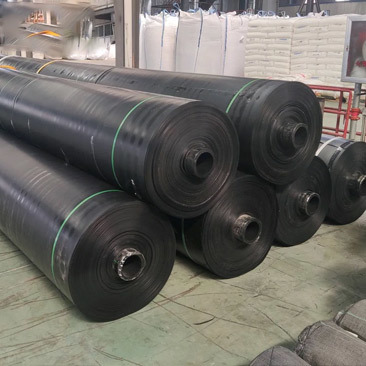
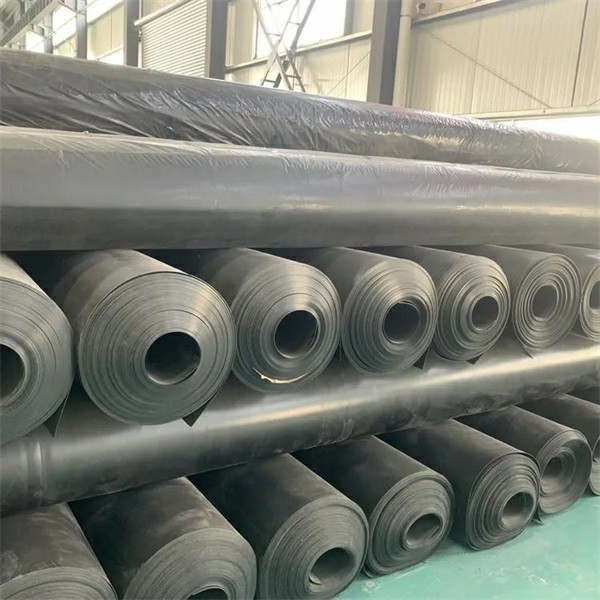
Polyethylene geomembranes, including High-Density Polyethylene (HDPE) and Linear Low-Density Polyethylene (LLDPE), are widely used due to their excellent chemical resistance and durability. HDPE geomembranes are particularly favored for landfill applications because of their strength and impermeability.
Polyvinyl Chloride (PVC) Geomembranes
PVC geomembranes offer flexibility and are often used in applications where bending or shaping is required. They are suitable for pond liners and other water containment projects.
Polypropylene Geomembranes
Known for their high resistance to UV radiation and temperature fluctuations, polypropylene geomembranes are ideal for exposed applications. They are commonly used in mining and tailings storage facilities.
Others: EPDM and TPO
Ethylene Propylene Diene Monomer (EPDM) and Thermoplastic Olefin (TPO) geomembranes are also gaining popularity, especially in roofing applications and green infrastructure.
Each material has specific properties that make it suitable for different environmental applications, influencing future innovations in geomembrane technology.
Applications of Geomembrane Liners
The versatility of geomembrane liners enables their use across various sectors:
1. Landfills and Waste Containment
Geomembranes are essential for landfill operations, providing a barrier against leachate contamination and ensuring that hazardous wastes are securely contained.
2. Water Reservoirs and Ponds
In water conservation efforts, geomembranes are employed to line reservoirs and ponds, reducing water loss through seepage and evaporation.
3. Mining Operations
In mining, geomembranes are utilized to manage tailings and leachate, preventing environmental contamination and facilitating safe waste disposal.
4. Civil Engineering Projects
Geomembranes are incorporated into various civil engineering projects, including road construction and slope stabilization, to provide effective drainage and erosion control.
5. Agriculture
In agricultural settings, geomembranes support irrigation systems by minimizing water loss and maintaining moisture levels for optimal crop growth.
As the need for sustainable solutions grows, these applications will expand, presenting opportunities for future developments in geomembrane technology.
Technological Innovations in Geomembranes
The geomembrane industry is witnessing significant technological advancements aimed at enhancing performance, sustainability, and application versatility. Key innovations include:
1. Advanced Materials and Blends
Developments in material science have led to the creation of geomembranes that combine multiple polymers, resulting in enhanced strength, durability, and resistance to environmental factors.
2. Smart Geomembranes
The emergence of smart geomembranes equipped with sensors for monitoring conditions, such as temperature and moisture levels, offers new levels of functionality. These technologies allow for real-time data collection, leading to more efficient management and maintenance of containment systems.
3. Eco-Friendly Alternatives
With increasing awareness around environmental impact, manufacturers are exploring biodegradable materials and recycled plastics for geomembrane production. These eco-friendly alternatives align with global sustainability goals.
4. Improved Installation Techniques
Innovations in installation methods, such as robotic welding and automated deployment systems, are enhancing efficiency while reducing labor costs and installation times.
As we move towards a more sustainable future, these innovations position geomembranes as pivotal solutions in environmental engineering.
Challenges in Geomembrane Implementation
While the benefits of geomembranes are clear, several challenges persist:
1. Cost Considerations
Initial material and installation costs can be high, which may deter some projects, particularly in low-budget scenarios. However, the long-term savings from reduced maintenance and environmental protection often justify the upfront investment.
2. Environmental Conditions
Extreme environmental conditions, such as temperature fluctuations and exposure to chemicals, can affect the longevity and effectiveness of geomembranes. Selecting the right material for specific environmental challenges is crucial.
3. Regulatory Compliance
Adhering to regulatory standards can be complex, requiring comprehensive knowledge of local laws and guidelines related to environmental protection.
4. Quality Assurance
Ensuring the quality of geomembrane products and installations is vital. Proper testing and certification processes must be in place to guarantee long-lasting performance.
Overcoming these challenges requires ongoing research and collaboration among industry stakeholders to develop effective strategies for successful geomembrane implementation.
Future Trends in Geomembrane Technology
Looking ahead, several trends are emerging that will shape the future of geomembrane technology:
1. Enhanced Durability and Performance
Innovations in material science are expected to yield geomembranes with improved durability, extending their lifespan and reducing the frequency of replacements.
2. Integration with Renewable Technologies
As the focus on sustainability grows, geomembranes may be integrated with renewable technologies, such as solar panels or green roofs, creating multifunctional systems that offer both environmental protection and energy generation.
3. Digital Transformation
The integration of digital technologies, including Artificial Intelligence (AI) and the Internet of Things (IoT), will enable smarter monitoring and management of geomembrane systems, leading to optimized performance and reduced environmental impact.
4. Global Collaboration and Research
Increased collaboration among researchers, engineers, and environmentalists will drive the development of innovative solutions that address global environmental challenges, ensuring that geomembranes continue to evolve.
By embracing these trends, the geomembrane industry can contribute significantly to sustainable environmental practices.
Conclusion
The future of geomembrane liners in environmental engineering is marked by innovation, versatility, and a commitment to sustainability. As we face increasing environmental challenges, geomembranes will play a crucial role in providing effective solutions for waste management, water conservation, and environmental protection. By understanding the various applications, types, and technological advancements associated with geomembranes, stakeholders can harness their potential to create a more sustainable world.
FAQs
1. What are geomembrane liners used for?
Geomembrane liners are primarily used to contain fluids and gases, preventing leakage in applications such as landfills, water reservoirs, and mining operations.
2. What materials are geomembranes made from?
Common materials used for geomembranes include polyethylene, polyvinyl chloride (PVC), and polypropylene, each offering unique properties suitable for various applications.
3. How do geomembranes contribute to environmental protection?
Geomembranes provide barriers that prevent contamination of soil and groundwater, making them essential for waste management and environmental conservation efforts.
4. What advancements are being made in geomembrane technology?
Innovations include the development of smart geomembranes with sensors, eco-friendly materials, and improved installation techniques that enhance performance and sustainability.
5. What challenges do geomembrane projects face?
Challenges include high initial costs, environmental conditions affecting durability, regulatory compliance, and ensuring quality assurance during installation.
Understanding these aspects of geomembrane liners will help industry professionals make informed decisions that contribute to environmental sustainability in engineering practices.
CONTACT US
Address: Shuangyi Road, Lingcheng District, Dezhou City, Shandong Province


GET A DEDICATED QUOTATION