


The Essential Guide to Geomembranes: Applications and Benefits in Construction
Release time:
2026-02-13
Geomembranes play an essential role in modern construction, particularly in the realm of civil engineering and environmental protection. These synthetic membranes are primarily used for containment and separation purposes, providing critical solutions for various applications, including landfills, water reservoirs, and construction sites. Understanding the characteristics and benefits of geomembra
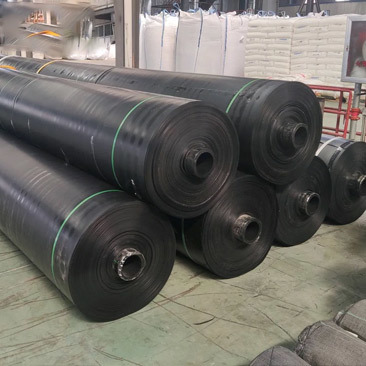
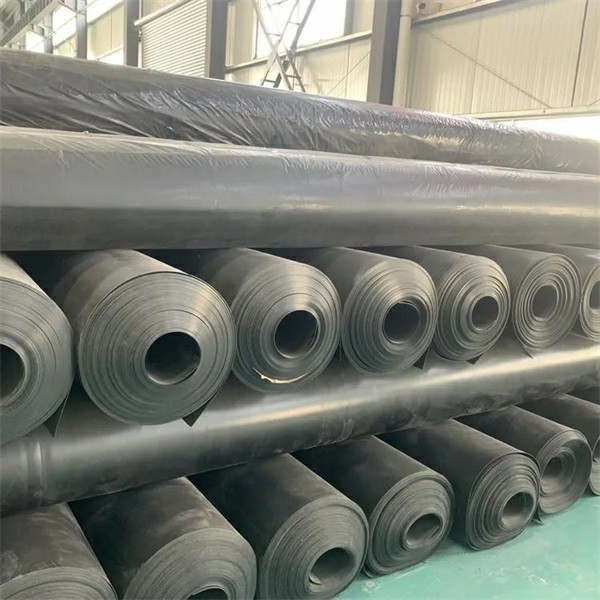
Geomembranes play an essential role in modern construction, particularly in the realm of civil engineering and environmental protection. These synthetic membranes are primarily used for containment and separation purposes, providing critical solutions for various applications, including landfills, water reservoirs, and construction sites. Understanding the characteristics and benefits of geomembranes can significantly enhance project efficiency and longevity.
One of the primary advantages of geomembranes is their impermeability. Made from materials such as high-density polyethylene (HDPE), linear low-density polyethylene (LLDPE), and polyvinyl chloride (PVC), geomembranes are designed to prevent the migration of liquids and gases. This property is crucial in applications like landfill liners, where the objective is to contain hazardous materials and protect groundwater resources from contamination.
In addition to containment, geomembranes offer excellent durability and resistance to environmental stressors. They can withstand harsh weather conditions, UV radiation, and chemical exposure, making them suitable for various applications on construction sites. Their flexibility allows for easy installation and adaptability to different shapes and surfaces, ensuring a snug fit that enhances performance.
In the context of project efficiency, the use of geomembranes can significantly reduce the need for additional soil layers or barriers. This not only saves on construction costs but also minimizes the environmental impact by reducing the amount of excavation required. Moreover, the lightweight nature of geomembranes simplifies transportation and installation, allowing for faster project completion times.
Another important aspect of geomembranes is their role in sustainability. By preventing leakage and protecting natural resources, these materials contribute to more environmentally friendly construction practices. This is particularly relevant in projects aimed at water management, where geomembranes can be utilized in ponds, lagoons, and other water containment systems to enhance water quality and conservation efforts.
When selecting geomembranes for a project, it is crucial to consider factors such as material compatibility, thickness, and the specific application requirements. Consulting with experts in the field can provide valuable insights into the most suitable type of geomembrane for your needs, ensuring optimal performance and compliance with local regulations.
In conclusion, geomembranes are an indispensable element in the construction and environmental sectors. Their versatility, durability, and efficiency make them a preferred choice for various applications. By understanding the benefits and proper implementation of geomembranes, construction professionals can enhance project outcomes and contribute positively to environmental stewardship.
One of the primary advantages of geomembranes is their impermeability. Made from materials such as high-density polyethylene (HDPE), linear low-density polyethylene (LLDPE), and polyvinyl chloride (PVC), geomembranes are designed to prevent the migration of liquids and gases. This property is crucial in applications like landfill liners, where the objective is to contain hazardous materials and protect groundwater resources from contamination.
In addition to containment, geomembranes offer excellent durability and resistance to environmental stressors. They can withstand harsh weather conditions, UV radiation, and chemical exposure, making them suitable for various applications on construction sites. Their flexibility allows for easy installation and adaptability to different shapes and surfaces, ensuring a snug fit that enhances performance.
In the context of project efficiency, the use of geomembranes can significantly reduce the need for additional soil layers or barriers. This not only saves on construction costs but also minimizes the environmental impact by reducing the amount of excavation required. Moreover, the lightweight nature of geomembranes simplifies transportation and installation, allowing for faster project completion times.
Another important aspect of geomembranes is their role in sustainability. By preventing leakage and protecting natural resources, these materials contribute to more environmentally friendly construction practices. This is particularly relevant in projects aimed at water management, where geomembranes can be utilized in ponds, lagoons, and other water containment systems to enhance water quality and conservation efforts.
When selecting geomembranes for a project, it is crucial to consider factors such as material compatibility, thickness, and the specific application requirements. Consulting with experts in the field can provide valuable insights into the most suitable type of geomembrane for your needs, ensuring optimal performance and compliance with local regulations.
In conclusion, geomembranes are an indispensable element in the construction and environmental sectors. Their versatility, durability, and efficiency make them a preferred choice for various applications. By understanding the benefits and proper implementation of geomembranes, construction professionals can enhance project outcomes and contribute positively to environmental stewardship.
CONTACT US
Address: Shuangyi Road, Lingcheng District, Dezhou City, Shandong Province


GET A DEDICATED QUOTATION