


The Science Behind PE Geomembrane: How It Works
Release time:
2026-02-12
The Science Behind PE Geomembrane: How It Works Table of Contents 1. Introduction to PE Geomembrane 2. What is PE Geomembrane? 3. Materials and Manufacturing Processes 4. Mechanical Properties of PE Geomembranes 5. Applications of PE Geomembrane in Construction 6. Environmental Impact and Sustainability 7. Installation Techniques for PE Geomembrane 8. Maintenance a
The Science Behind PE Geomembrane: How It Works
Table of Contents
- 1. Introduction to PE Geomembrane
- 2. What is PE Geomembrane?
- 3. Materials and Manufacturing Processes
- 4. Mechanical Properties of PE Geomembranes
- 5. Applications of PE Geomembrane in Construction
- 6. Environmental Impact and Sustainability
- 7. Installation Techniques for PE Geomembrane
- 8. Maintenance and Durability Considerations
- 9. Conclusion
- 10. Frequently Asked Questions
1. Introduction to PE Geomembrane
PE geomembranes, or polyethylene geomembranes, play a pivotal role in modern construction and environmental engineering. Their high impermeability and resistance to chemicals make them essential materials in various applications, from landfills to water containment. Understanding the science behind these geomembranes is critical for professionals in the construction and environmental sectors who seek to maximize efficiency and durability.
2. What is PE Geomembrane?
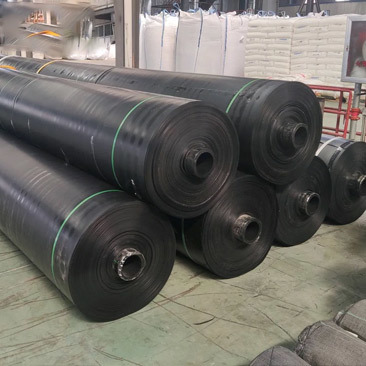
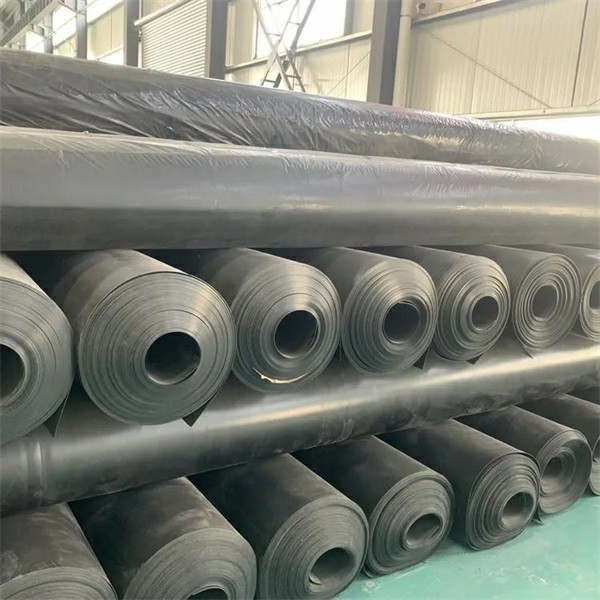
PE geomembrane is a synthetic membrane made from high-density polyethylene (HDPE) or low-density polyethylene (LDPE). These materials are engineered to provide a barrier against liquid and gas migration. The thickness of the geomembrane typically ranges from 0.5 mm to 3 mm, depending on its intended use.
The primary function of PE geomembranes is to serve as a waterproof barrier. They are utilized in various sectors including waste management, mining, and even agriculture. Their versatility and effectiveness have made them a preferred choice for engineers and environmentalists alike.
3. Materials and Manufacturing Processes
The manufacturing process of PE geomembranes involves several steps, including polymerization, extrusion, and quality control testing.
**Materials Used**: The primary material used for PE geomembranes is polyethylene, which is known for its durability, flexibility, and chemical resistance. Additives may also be included to enhance properties such as UV resistance and thermal stability.
**Manufacturing Process**:
1. **Polymerization**: Raw polyethylene is produced through various polymerization methods, leading to HDPE or LDPE.
2. **Extrusion**: The polymer is then heated and extruded into sheets of varying thickness.
3. **Quality Control**: Each batch undergoes rigorous testing for properties such as tensile strength, elongation, and permeability to ensure it meets industry standards.
This meticulous manufacturing process guarantees that PE geomembranes can withstand extreme environmental conditions while maintaining their structural integrity.
4. Mechanical Properties of PE Geomembranes
The mechanical properties of PE geomembranes are crucial in determining their performance in various applications. Key properties include:
- **Tensile Strength**: The ability of the geomembrane to withstand tension without breaking. High tensile strength is vital for applications in landfills and mining where mechanical stress is prevalent.
- **Elongation**: This property measures how much the geomembrane can stretch before breaking. An adequate elongation rate allows the material to accommodate ground movements without failure.
- **Flexural Strength**: A critical property for installations that require bending or shaping of the geomembrane.
- **Impact Resistance**: This ensures that the geomembrane can withstand sudden impacts, which is essential in construction environments.
These mechanical properties contribute significantly to the longevity and effectiveness of PE geomembranes, making them invaluable in various engineering contexts.
5. Applications of PE Geomembrane in Construction
PE geomembranes are versatile and applicable in numerous construction projects. Some of the most common applications include:
- **Landfill Liners**: PE geomembranes prevent leachate from contaminating groundwater, making them essential for landfill operations.
- **Water Reservoirs**: Used to line reservoirs and ponds to prevent water loss due to seepage.
- **Mining Operations**: In mining, they are utilized in heap leach pads to contain chemicals and prevent environmental contamination.
- **Agricultural Applications**: PE geomembranes are used in agricultural ponds to store water and in drainage systems to control soil moisture levels.
Each application leverages the unique properties of PE geomembranes to solve specific challenges in construction and environmental protection.
6. Environmental Impact and Sustainability
As the world increasingly prioritizes sustainability, the environmental impact of materials used in construction becomes a critical consideration. PE geomembranes offer several eco-friendly benefits:
- **Recyclability**: Many PE geomembranes can be recycled, reducing waste and promoting sustainability.
- **Durability**: Their long lifespan reduces the need for frequent replacements, minimizing environmental disruption.
- **Resource Efficiency**: By effectively managing water and waste, PE geomembranes contribute to more resource-efficient construction practices.
Moreover, the implementation of PE geomembranes in projects can lead to better environmental outcomes by preventing contamination and promoting responsible resource management.
7. Installation Techniques for PE Geomembrane
The installation of PE geomembranes requires precision and expertise to ensure optimal performance. Common techniques include:
- **Seaming**: This can be achieved through thermal welding, solvent welding, or adhesive bonding, depending on the project requirements.
- **Placement**: Careful handling and placement of the geomembrane are essential to avoid damage during installation.
- **Testing**: Post-installation testing is critical to ensure that there are no leaks and that the geomembrane is functioning as intended.
Proper installation techniques not only enhance the effectiveness of PE geomembranes but also extend their lifespan and reliability.
8. Maintenance and Durability Considerations
Despite their robust nature, proper maintenance of PE geomembranes is essential for ensuring long-term performance:
- **Regular Inspections**: Routine checks can identify potential issues early, such as punctures or tears.
- **Repair Techniques**: Knowledge of effective repair methods is crucial. Patching and re-seaming can extend the geomembrane's service life.
- **Environmental Considerations**: Monitoring surrounding environmental conditions can help anticipate issues related to UV exposure, chemical attack, or extreme weather.
By adhering to maintenance best practices, users can significantly enhance the durability and performance of PE geomembranes.
9. Conclusion
PE geomembranes are pivotal in contemporary construction and environmental management. Their unique properties, manufacturing processes, and versatile applications make them invaluable in ensuring effective waste management, resource conservation, and environmental protection. Understanding the science behind these materials is crucial for stakeholders aiming to implement sustainable practices in the construction industry. As technology advances, so too will the capabilities and applications of PE geomembranes, reinforcing their position as a cornerstone of modern engineering.
10. Frequently Asked Questions
What is the lifespan of a PE geomembrane?
PE geomembranes can last several decades when properly installed and maintained, with many manufacturers offering warranties of 20 years or more.
Can PE geomembranes be recycled after use?
Yes, many PE geomembranes can be recycled. It's essential to check with local recycling facilities for specific guidelines.
What are the main advantages of PE geomembranes over other materials?
PE geomembranes offer superior chemical resistance, lower permeability, and greater flexibility compared to alternatives like PVC or EPDM.
How do I choose the right thickness for a PE geomembrane?
The thickness depends on the specific application and environmental conditions. Consulting with an expert can help determine the appropriate thickness for your project.
Are PE geomembranes affected by UV exposure?
While PE geomembranes are generally resistant to UV radiation, additives can be included during manufacturing to enhance UV stability, especially for applications exposed to sunlight.
CONTACT US
Address: Shuangyi Road, Lingcheng District, Dezhou City, Shandong Province


GET A DEDICATED QUOTATION