


Future Trends in Geomembrane Material and Its Applications
Release time:
2026-02-14
Future Trends in Geomembrane Material and Its Applications Table of Contents 1. Introduction to Geomembranes 2. Understanding Geomembranes: Composition and Properties 3. Current Applications of Geomembranes in Construction 4. Emerging Trends in Geomembrane Material 5. Sustainability and Environmental Impact of Geomembranes 6. Future Innovations in Geomembrane Technology
Future Trends in Geomembrane Material and Its Applications
Table of Contents
- 1. Introduction to Geomembranes
- 2. Understanding Geomembranes: Composition and Properties
- 3. Current Applications of Geomembranes in Construction
- 4. Emerging Trends in Geomembrane Material
- 5. Sustainability and Environmental Impact of Geomembranes
- 6. Future Innovations in Geomembrane Technology
- 7. Case Studies: Successful Applications of Geomembranes
- 8. Challenges and Solutions in Geomembrane Usage
- 9. Frequently Asked Questions (FAQs)
- 10. Conclusion
1. Introduction to Geomembranes
Geomembranes are a crucial component of modern construction and environmental management. These synthetic membranes are primarily used for fluid or gas containment, making them essential in various applications, including landfill liner systems, water reservoirs, and environmental protection projects. As industries evolve, so too do the materials we use. Understanding the **future trends in geomembrane material** is vital for professionals in construction, environmental protection, and sustainability.
2. Understanding Geomembranes: Composition and Properties
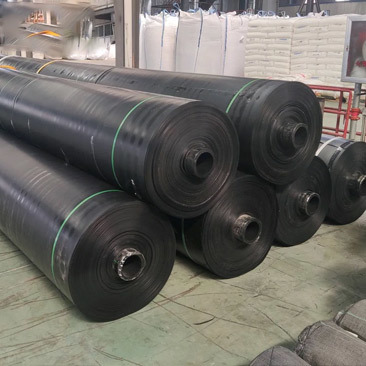
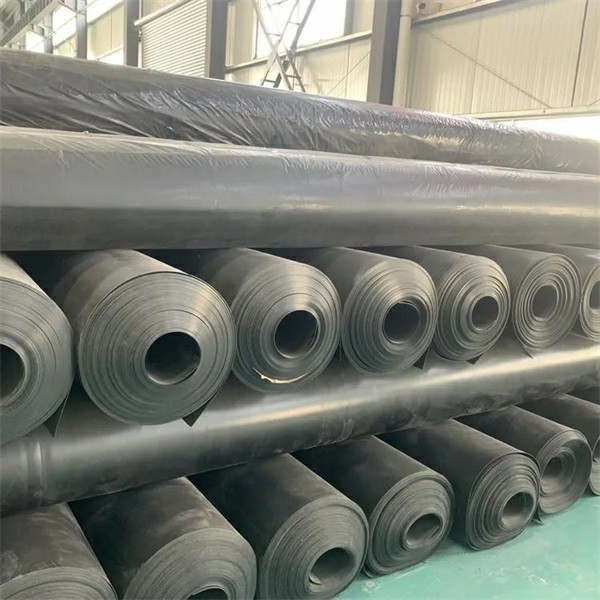
Geomembranes are typically made from polymers, such as high-density polyethylene (HDPE), low-density polyethylene (LDPE), and polyvinyl chloride (PVC). These materials are chosen for their durability, flexibility, and resistance to environmental factors.
2.1 Key Properties of Geomembranes
The effectiveness of geomembranes is largely determined by their properties:
- **Impermeability**: Prevents fluid migration, crucial for containment applications.
- **Chemical Resistance**: Resists degradation from chemicals and contaminants.
- **Durability**: Withstands various environmental stresses, including UV radiation and temperature variations.
2.2 Types of Geomembranes
Each type of geomembrane has unique characteristics:
- **HDPE Geomembranes**: Known for their strength and chemical resistance, suitable for landfill and mining applications.
- **LDPE Geomembranes**: More flexible than HDPE, making them ideal for applications requiring intricate shapes.
- **PVC Geomembranes**: Highly resistant to weather and UV exposure, commonly used in water containment and agricultural settings.
3. Current Applications of Geomembranes in Construction
Geomembranes play a significant role in several construction-related activities:
- **Landfill Liners**: Prevent leachate from contaminating groundwater.
- **Reservoir Liners**: Ensure water retention in agricultural and municipal settings.
- **Canal Linings**: Minimize evaporation and seepage in irrigation systems.
4. Emerging Trends in Geomembrane Material
As technology advances, new trends are emerging in the geomembrane industry:
- **Biodegradable Geomembranes**: Addressing environmental concerns by developing materials that break down over time.
- **Smart Geomembranes**: Incorporating sensors to monitor conditions such as pressure and chemical integrity.
- **Recycled Materials**: Utilizing recycled polymers to produce geomembranes, promoting sustainability and reducing waste.
5. Sustainability and Environmental Impact of Geomembranes
The rise of **eco-friendly geomembrane materials** is a significant trend reflecting the industry's shift towards sustainable practices.
5.1 Lifecycle Assessment
Conducting a lifecycle assessment of geomembranes helps in understanding their environmental impact from production to disposal. This analysis provides insights for selecting materials that minimize ecological footprints.
5.2 Regulatory Developments
As awareness of environmental issues grows, so does regulation concerning the use of geomembranes. Compliance with stricter environmental standards is becoming imperative for manufacturers and users.
6. Future Innovations in Geomembrane Technology
The future of geomembranes looks promising with several innovations on the horizon:
- **Nanotechnology**: Enhancing the properties of geomembranes through the incorporation of nanomaterials for increased durability and functionality.
- **Self-Healing Materials**: Developing geomembranes that can repair themselves when damaged, prolonging their lifespan and effectiveness.
- **Integrated Systems**: Creating geomembrane systems that combine filtration, drainage, and containment functions for multi-faceted applications.
7. Case Studies: Successful Applications of Geomembranes
Examining successful case studies provides valuable insights into the practical applications of geomembranes:
- **Case Study 1: Landfill Projects**: Implementation of HDPE geomembranes in large-scale landfill projects to prevent environmental contamination.
- **Case Study 2: Water Management Systems**: Utilization of flexible geomembranes for water reservoirs that have significantly reduced water loss through evaporation and seepage.
8. Challenges and Solutions in Geomembrane Usage
While geomembranes offer numerous benefits, challenges remain in their application:
- **Installation Issues**: Proper installation is critical. Solutions include enhanced training programs for installers and improved installation techniques.
- **Material Degradation**: Prolonged exposure to environmental factors can lead to degradation. Innovations in material technology are focusing on enhancing UV resistance and chemical stability.
9. Frequently Asked Questions (FAQs)
9.1 What are geomembranes used for?
Geomembranes are primarily used for containment applications, such as landfill liners, water reservoirs, and environmental protection projects.
9.2 How long do geomembranes last?
The lifespan of geomembranes varies depending on material composition and environmental conditions. Generally, they can last between 20 to 30 years or more with proper installation and maintenance.
9.3 Are all geomembranes biodegradable?
No, not all geomembranes are biodegradable. However, there is a growing trend towards developing biodegradable options that minimize environmental impact.
9.4 Can geomembranes be recycled?
Yes, many geomembranes can be recycled. The use of recycled materials in new geomembrane production is becoming increasingly common.
9.5 What factors affect the choice of geomembrane material?
Factors include the intended application, environmental conditions, required durability, and regulatory compliance.
10. Conclusion
The future of geomembrane materials is set to evolve dramatically as innovations and environmental considerations come to the forefront. By understanding current trends and future developments, industry professionals can make informed choices that enhance sustainability and efficiency in construction and environmental applications. As we move forward, the integration of advanced materials and techniques will undoubtedly lead to more effective solutions for challenges faced in various sectors, ensuring that geomembranes remain a pivotal component in sustainable development.
CONTACT US
Address: Shuangyi Road, Lingcheng District, Dezhou City, Shandong Province


GET A DEDICATED QUOTATION