


How Geomembrane Liners Enhance Soil Stability on Construction Sites
Release time:
2026-02-06
How Geomembrane Liners Enhance Soil Stability on Construction Sites In the construction industry, maintaining soil stability is crucial for the success of any project. Geomembrane liners have emerged as essential materials that significantly impact soil stability. This article delves into the various aspects of geomembrane liners, from their properties to their applications, emphasizing how they c
How Geomembrane Liners Enhance Soil Stability on Construction Sites
In the construction industry, maintaining soil stability is crucial for the success of any project. Geomembrane liners have emerged as essential materials that significantly impact soil stability. This article delves into the various aspects of geomembrane liners, from their properties to their applications, emphasizing how they can improve soil stability on construction sites.
Understanding Geomembrane Liners
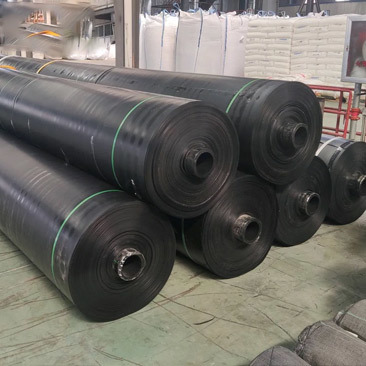
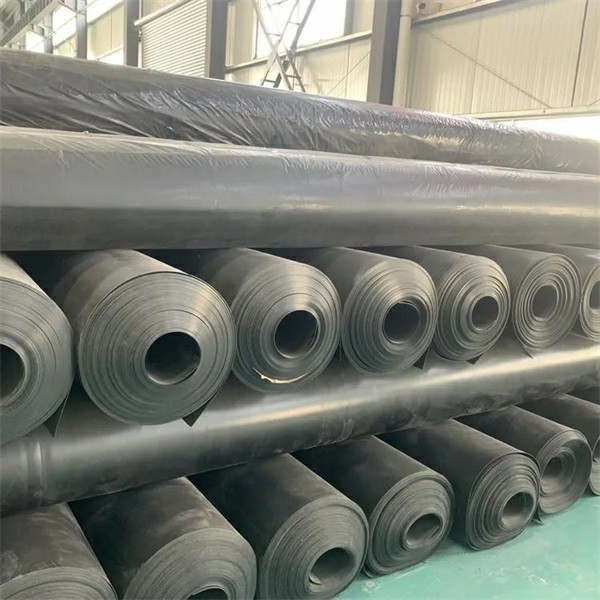
Geomembrane liners are synthetic membranes designed to act as barriers against fluid migration in soil and water. Made from high-density polyethylene (HDPE), low-density polyethylene (LDPE), or ethylene propylene diene monomer (EPDM), these liners are engineered to withstand harsh environmental conditions.
The Composition of Geomembrane Liners
The effectiveness of geomembrane liners stems from their composition. The materials used to manufacture geomembranes are chosen for their durability and resistance to ultraviolet (UV) light, chemicals, and puncturing. Here’s a quick breakdown of common materials:
- **High-Density Polyethylene (HDPE)**: Known for its strength and chemical resistance, HDPE is widely used in landfill applications and other projects where soil stability is imperative.
- **Low-Density Polyethylene (LDPE)**: While less rigid than HDPE, LDPE offers enhanced flexibility, making it suitable for applications requiring extensive bending and shaping.
- **Ethylene Propylene Diene Monomer (EPDM)**: This rubber-like material provides excellent elasticity and resilience, often used in environments with extreme temperature fluctuations.
Key Properties of Geomembrane Liners
Some key properties that make geomembrane liners effective for soil stability include:
- **Impermeability**: Geomembranes create a barrier that prevents water and other fluids from penetrating the soil, thus reducing erosion and maintaining structural integrity.
- **Chemical Resistance**: They can withstand various chemicals, making them suitable for industrial applications where soil contamination is a concern.
- **Durability**: Geomembranes are designed to resist UV degradation and mechanical stress, ensuring long-term performance.
The Role of Geomembrane Liners in Soil Stability
Soil stability is crucial in construction to prevent issues such as landslides, erosion, and foundation failure. Geomembrane liners help in achieving soil stability through various mechanisms.
Preventing Soil Erosion
One of the primary ways geomembrane liners enhance soil stability is by preventing erosion. By acting as a barrier to water flow, they minimize the risk of soil being washed away, especially in areas with heavy rainfall. The impermeability of geomembranes ensures that moisture remains contained, allowing for better control over soil moisture levels.
Enhancing Load-Bearing Capacity
In construction, the load-bearing capacity of the soil is a critical factor. Geomembrane liners can improve the mechanical properties of soil by reducing pore water pressure during construction. This enhancement is crucial, particularly in soft or unstable soils, as it allows for safer and more effective building practices.
Controlling Water Movement
By controlling water movement in and around construction sites, geomembrane liners play an essential role in maintaining soil stability. They can be used to redirect and manage groundwater flow, which reduces the risk of water accumulation that can lead to soil instability.
Applications of Geomembrane Liners in Construction
Geomembrane liners find a wide range of applications in the construction industry, particularly in areas where soil stability is paramount.
Landfills and Waste Management
In landfill projects, geomembrane liners are used to line the bottom and sides of the landfill to prevent leachate from contaminating groundwater. This containment contributes to the overall stability of the landfill structure, ensuring that the underlying soil remains intact.
Retention Basins and Ponds
Geomembranes are often used in the construction of retention basins and ponds to prevent water seepage. By maintaining the structural integrity of these water bodies, geomembrane liners help to prevent soil erosion around their edges.
Road and Highway Construction
In road construction, geomembranes can be employed to stabilize subgrades and reduce the potential for soil-related failures. They assist in managing water flow and maintaining the integrity of the road structure.
Mining Operations
In mining, geomembrane liners are used to create containment systems for tailings and wastewater. By providing a barrier against fluid migration, geomembranes help in protecting surrounding soil and groundwater, thereby enhancing overall site stability.
Installation of Geomembrane Liners
Proper installation of geomembrane liners is vital for maximizing their effectiveness in improving soil stability. Here are the key steps involved in the installation process.
Site Preparation
Before installing geomembrane liners, thorough site preparation is essential. This includes clearing the area of debris, vegetation, and any sharp objects that may puncture the liner. Additionally, the soil should be compacted and leveled to create a stable base.
Installation Techniques
The installation of geomembranes can vary depending on the application, but common techniques include:
- **Subgrade Compaction**: Compacting the subgrade ensures a smooth surface for the liner, minimizing the risk of damage during installation.
- **Seaming**: Properly sealing seams between geomembrane sections is crucial to maintain impermeability. Techniques such as thermal fusion or adhesive bonding are commonly used.
- **Ballasting**: In areas prone to wind uplift, ballasting the geomembrane with soil or gravel helps secure it in place.
Quality Assurance and Testing
After installation, it is essential to conduct quality assurance tests to verify the integrity of the geomembrane. This may include:
- **Leak Testing**: Ensuring there are no leaks in the liner using methods such as water pressure testing.
- **Visual Inspections**: Conducting thorough inspections to check for any visible damage or improper seals.
Advantages of Using Geomembrane Liners for Soil Stability
The benefits of incorporating geomembrane liners into construction projects extend beyond just soil stability. Here are some of the key advantages:
Cost-Effectiveness
While the initial investment in geomembrane liners may seem significant, their long-term benefits often outweigh the costs. By preventing soil erosion and maintaining stability, these liners can reduce the need for costly repairs and maintenance down the line.
Environmental Protection
Geomembrane liners help protect the environment by preventing contaminants from leaching into the soil and groundwater. This not only safeguards ecosystems but also ensures compliance with environmental regulations.
Enhanced Safety
A stable construction site is a safe construction site. By utilizing geomembrane liners, project managers can significantly reduce the risk of soil-related accidents, thereby enhancing the safety of workers on the site.
Choosing the Right Geomembrane for Your Project
Selecting the appropriate geomembrane for your construction project involves several considerations. Here are key factors to keep in mind:
Project Requirements
Understand the specific requirements of your project, including environmental conditions, load-bearing capacity, and potential chemical exposure. Different geomembrane materials are suited for different applications, so it's vital to match the material to your project's needs.
Consulting with Experts
Working with experienced contractors and engineers who specialize in geomembrane installation can help ensure that you choose the right materials and techniques for your project. Their expertise can provide valuable insights into the best practices for soil stability.
Frequently Asked Questions (FAQs)
1. What are geomembrane liners used for?
Geomembrane liners are primarily used to create barriers that prevent fluid migration, making them ideal for applications in landfills, retention ponds, and construction sites.
2. How do geomembrane liners improve soil stability?
Geomembrane liners improve soil stability by preventing erosion, enhancing load-bearing capacity, and controlling water movement in and around construction sites.
3. What materials are geomembrane liners made from?
Geomembrane liners are typically made from materials such as high-density polyethylene (HDPE), low-density polyethylene (LDPE), and ethylene propylene diene monomer (EPDM).
4. Can geomembrane liners be recycled?
Yes, many geomembrane liners can be recycled, depending on the material. It’s advisable to consult with suppliers regarding recycling options for specific products.
5. How long do geomembrane liners last?
With proper installation and maintenance, geomembrane liners can last for several decades, offering long-term protection and stability.
Conclusion
Incorporating geomembrane liners into construction practices can significantly improve soil stability, ensuring the success of projects while protecting the environment. Their unique properties and applications make them indispensable in various construction scenarios. By understanding their benefits and installation techniques, construction professionals can make informed decisions that enhance project outcomes and safeguard soil integrity. Embracing this innovative solution not only addresses immediate construction needs but also contributes to sustainable development practices in the industry.
CONTACT US
Address: Shuangyi Road, Lingcheng District, Dezhou City, Shandong Province


GET A DEDICATED QUOTATION