


The Essential Guide to PE Geomembrane: Applications and Benefits in Construction
Release time:
2026-02-07
Polyethylene (PE) geomembrane is a versatile synthetic liner widely used in the construction and civil engineering sectors, particularly in applications where containment or separation is crucial. Composed primarily of high-density polyethylene (HDPE) or low-density polyethylene (LDPE), PE geomembrane is characterized by its durability, flexibility, and resistance to various environmental factors,
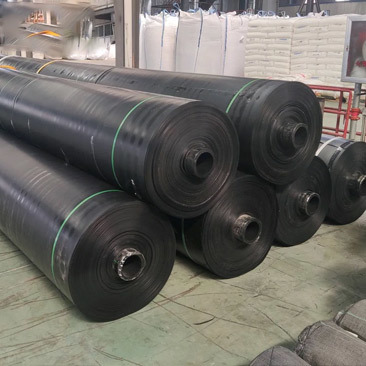
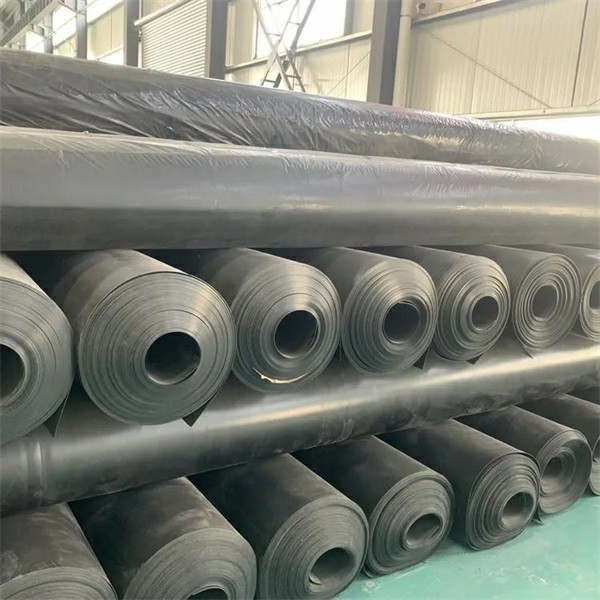
Polyethylene (PE) geomembrane is a versatile synthetic liner widely used in the construction and civil engineering sectors, particularly in applications where containment or separation is crucial. Composed primarily of high-density polyethylene (HDPE) or low-density polyethylene (LDPE), PE geomembrane is characterized by its durability, flexibility, and resistance to various environmental factors, making it an essential material for numerous projects.
One of the primary applications of PE geomembrane is in environmental protection. It is extensively used in landfill liners to prevent leachate from contaminating groundwater. The impermeable nature of PE geomembrane effectively seals off waste materials, ensuring that harmful substances do not migrate into the surrounding soil and water supplies. Additionally, this material is utilized in hazardous waste containment facilities, where safety and environmental integrity are paramount.
In the construction of reservoirs and water bodies, PE geomembrane plays a crucial role in reducing water loss through seepage. By lining the base and walls of these structures, it creates a watertight barrier that minimizes evaporation and leakage, thus enhancing water conservation efforts. This property is particularly beneficial in arid regions where water resources are limited.
Furthermore, PE geomembrane proves invaluable in agricultural applications, especially in the creation of ponds and irrigation systems. The material’s resistance to UV radiation and chemicals ensures long-lasting effectiveness in various agricultural settings. Farmers can rely on PE geomembrane to maintain optimal moisture levels in the soil while preventing erosion and runoff.
Another significant advantage of PE geomembrane is its ease of installation. Lightweight and flexible, it can be adapted to fit various shapes and sizes, making it an efficient choice for contractors. The welding techniques used to join geomembrane sheets provide strong seams that further enhance the integrity of the installation. This aspect not only saves time but also reduces labor costs, making it a cost-effective solution for many construction projects.
In summary, PE geomembrane is a critical material in the construction and civil engineering industries, offering numerous benefits across various applications. Its role in environmental protection, water conservation, and agricultural efficiency demonstrates its versatility and importance. For professionals in the field, understanding the capabilities and advantages of PE geomembrane can lead to better project outcomes and sustainable practices.
One of the primary applications of PE geomembrane is in environmental protection. It is extensively used in landfill liners to prevent leachate from contaminating groundwater. The impermeable nature of PE geomembrane effectively seals off waste materials, ensuring that harmful substances do not migrate into the surrounding soil and water supplies. Additionally, this material is utilized in hazardous waste containment facilities, where safety and environmental integrity are paramount.
In the construction of reservoirs and water bodies, PE geomembrane plays a crucial role in reducing water loss through seepage. By lining the base and walls of these structures, it creates a watertight barrier that minimizes evaporation and leakage, thus enhancing water conservation efforts. This property is particularly beneficial in arid regions where water resources are limited.
Furthermore, PE geomembrane proves invaluable in agricultural applications, especially in the creation of ponds and irrigation systems. The material’s resistance to UV radiation and chemicals ensures long-lasting effectiveness in various agricultural settings. Farmers can rely on PE geomembrane to maintain optimal moisture levels in the soil while preventing erosion and runoff.
Another significant advantage of PE geomembrane is its ease of installation. Lightweight and flexible, it can be adapted to fit various shapes and sizes, making it an efficient choice for contractors. The welding techniques used to join geomembrane sheets provide strong seams that further enhance the integrity of the installation. This aspect not only saves time but also reduces labor costs, making it a cost-effective solution for many construction projects.
In summary, PE geomembrane is a critical material in the construction and civil engineering industries, offering numerous benefits across various applications. Its role in environmental protection, water conservation, and agricultural efficiency demonstrates its versatility and importance. For professionals in the field, understanding the capabilities and advantages of PE geomembrane can lead to better project outcomes and sustainable practices.
CONTACT US
Address: Shuangyi Road, Lingcheng District, Dezhou City, Shandong Province


GET A DEDICATED QUOTATION