


Understanding Composite Geomembranes: A Key Component in Construction Materials
Release time:
2026-02-05
Composite geomembranes are advanced materials widely used in the construction industry, particularly in areas involving earthworks and environmental protection. These specialized membranes are designed to provide effective barriers against liquids and gases, making them essential in applications such as landfill liners, pond liners, and various containment systems. A composite geomembrane typical
Composite geomembranes are advanced materials widely used in the construction industry, particularly in areas involving earthworks and environmental protection. These specialized membranes are designed to provide effective barriers against liquids and gases, making them essential in applications such as landfill liners, pond liners, and various containment systems.
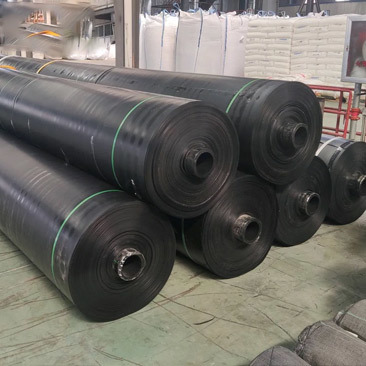
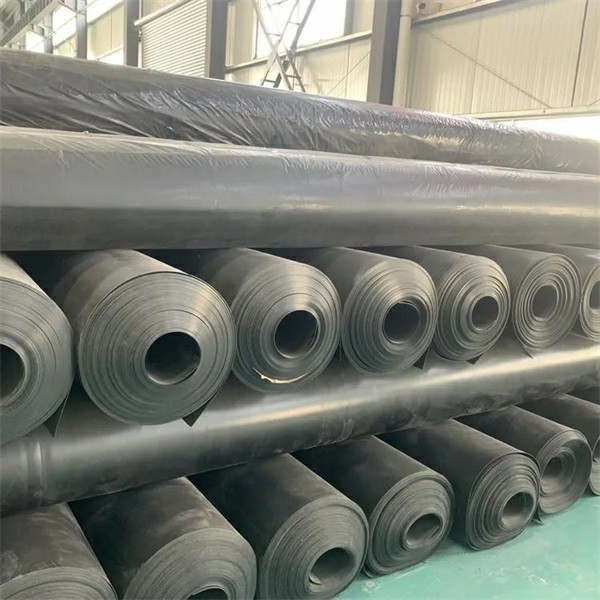
A composite geomembrane typically consists of a combination of different materials, usually merging a geomembrane made of high-density polyethylene (HDPE) or low-density polyethylene (LDPE) with a geotextile or another reinforcing layer. This combination results in improved mechanical properties, enhanced durability, and excellent protection against punctures and tears. The geotextile layer not only adds strength but also assists in filtration and drainage, making composite geomembranes particularly versatile in their applications.
One of the main advantages of using composite geomembranes is their superior resistance to environmental factors. They are designed to withstand exposure to harsh chemicals, UV radiation, and extreme temperatures, which is crucial for long-term performance in various projects. This resilience contributes to the longevity and effectiveness of containment systems, ensuring that they function as intended over time.
In addition to their durability, composite geomembranes are known for their ease of installation. The flexible nature of these materials allows them to conform to various shapes and surfaces, reducing the need for complex installation procedures. This ease of handling can lead to significant time and cost savings during construction projects.
Composite geomembranes are also environmentally friendly options. Their ability to prevent contaminants from leaching into the surrounding environment makes them vital in waste management and remediation projects. By providing a barrier that protects soil and groundwater, these materials play a critical role in promoting sustainable construction practices.
Furthermore, the versatility of composite geomembranes extends to their applications beyond traditional earthworks. They are increasingly used in green infrastructure projects, such as green roofs and rain gardens, where they help manage stormwater and improve drainage capabilities.
In summary, composite geomembranes represent a significant advancement in construction materials, offering unique properties that enhance their performance and applicability in various situations. Their combination of durability, ease of installation, and environmental benefits makes them an indispensable component in modern construction projects. Understanding the role of composite geomembranes can help professionals make informed decisions when selecting materials for their projects, ensuring the success and sustainability of their endeavors.
A composite geomembrane typically consists of a combination of different materials, usually merging a geomembrane made of high-density polyethylene (HDPE) or low-density polyethylene (LDPE) with a geotextile or another reinforcing layer. This combination results in improved mechanical properties, enhanced durability, and excellent protection against punctures and tears. The geotextile layer not only adds strength but also assists in filtration and drainage, making composite geomembranes particularly versatile in their applications.
One of the main advantages of using composite geomembranes is their superior resistance to environmental factors. They are designed to withstand exposure to harsh chemicals, UV radiation, and extreme temperatures, which is crucial for long-term performance in various projects. This resilience contributes to the longevity and effectiveness of containment systems, ensuring that they function as intended over time.
In addition to their durability, composite geomembranes are known for their ease of installation. The flexible nature of these materials allows them to conform to various shapes and surfaces, reducing the need for complex installation procedures. This ease of handling can lead to significant time and cost savings during construction projects.
Composite geomembranes are also environmentally friendly options. Their ability to prevent contaminants from leaching into the surrounding environment makes them vital in waste management and remediation projects. By providing a barrier that protects soil and groundwater, these materials play a critical role in promoting sustainable construction practices.
Furthermore, the versatility of composite geomembranes extends to their applications beyond traditional earthworks. They are increasingly used in green infrastructure projects, such as green roofs and rain gardens, where they help manage stormwater and improve drainage capabilities.
In summary, composite geomembranes represent a significant advancement in construction materials, offering unique properties that enhance their performance and applicability in various situations. Their combination of durability, ease of installation, and environmental benefits makes them an indispensable component in modern construction projects. Understanding the role of composite geomembranes can help professionals make informed decisions when selecting materials for their projects, ensuring the success and sustainability of their endeavors.
CONTACT US
Address: Shuangyi Road, Lingcheng District, Dezhou City, Shandong Province


GET A DEDICATED QUOTATION