


Why Geomembrane Material is Essential for Containment Solutions
Release time:
2026-02-04
Why Geomembrane Material is Essential for Containment Solutions Containment solutions are critical in various industries, especially when dealing with hazardous materials and environmental conservation. Among the most effective materials for these solutions is geomembrane. This article will explore the significance of geomembrane materials, discussing their properties, applications, and benefits i
Why Geomembrane Material is Essential for Containment Solutions
Containment solutions are critical in various industries, especially when dealing with hazardous materials and environmental conservation. Among the most effective materials for these solutions is geomembrane. This article will explore the significance of geomembrane materials, discussing their properties, applications, and benefits in detail.
Understanding Geomembrane Material
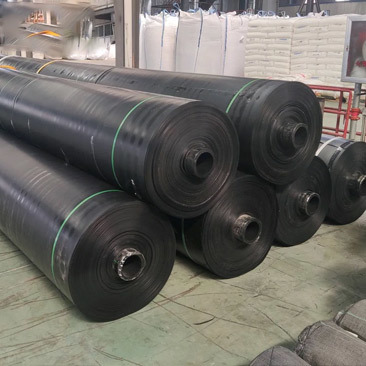
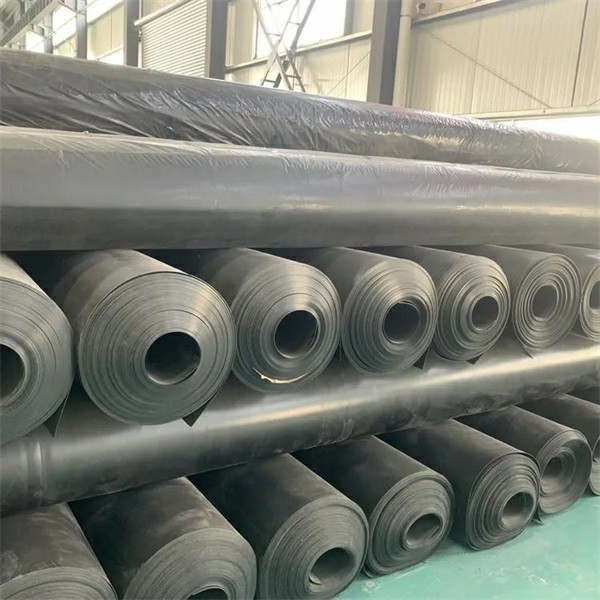
Geomembranes are synthetic membranes used primarily for the containment of liquids and solids. They are composed of various materials, with polyethylene, polyvinyl chloride (PVC), and polypropylene being the most common. Their primary purpose is to prevent the migration of fluids, thereby protecting the surrounding environment.
Key Characteristics of Geomembranes
1. **Impermeability**: One of the standout features of geomembranes is their ability to provide a barrier against liquids. This impermeability is crucial in preventing contamination of soil and groundwater.
2. **Chemical Resistance**: Geomembranes exhibit resistance to a wide range of chemicals, making them suitable for use in hazardous waste containment and chemical storage facilities.
3. **Durability**: Designed to withstand harsh environmental conditions, geomembranes are resistant to UV radiation, temperature fluctuations, and physical stress.
4. **Flexibility**: The flexibility of geomembranes allows them to conform to various shapes and surfaces, ensuring a tight seal during installation.
Applications of Geomembrane Materials
Geomembranes find extensive use across various sectors, each leveraging their unique properties to solve containment challenges.
1. Landfill Construction
Landfills require robust containment solutions to prevent leachate from seeping into the ground. Geomembranes are used as liners to create a barrier that confines waste materials and protects the environment.
2. Mining Operations
In mining, geomembranes are essential for tailings storage. They provide a reliable barrier that prevents the escape of contaminants, ensuring that the surrounding ecosystem remains unharmed.
3. Water Reservoirs
Geomembranes are utilized in the construction of water reservoirs, ensuring minimal evaporation losses and contamination from external elements. Their impermeability is particularly beneficial in arid regions where water conservation is critical.
4. Agriculture
In agriculture, geomembranes help in the construction of ponds and irrigation systems. They ensure efficient water retention and prevent soil erosion, contributing to sustainable farming practices.
5. Oil and Gas Industry
The oil and gas sector employs geomembranes for secondary containment solutions. These barriers protect against spills and leaks, safeguarding the environment and complying with regulatory requirements.
Benefits of Using Geomembrane Materials
Utilizing geomembranes for containment solutions offers numerous advantages that contribute to environmental safety and operational efficiency.
1. Environmental Protection
By preventing the migration of harmful substances into the soil and groundwater, geomembranes play a crucial role in protecting the environment. This is increasingly important in today’s eco-conscious world.
2. Cost-Effectiveness
Investing in geomembranes can save costs in the long run. They are durable and require less maintenance than traditional containment methods, reducing ongoing operational expenses.
3. Regulatory Compliance
Many industries face strict regulations concerning waste management and environmental protection. The use of geomembranes helps companies meet these regulations, avoiding fines and legal issues.
4. Enhanced Safety
By minimizing the risk of leakage and contamination, geomembranes contribute to safer working conditions for employees and surrounding communities.
5. Versatility
Geomembranes are adaptable and can be used in various applications, making them an excellent choice for multifaceted containment needs.
Choosing the Right Geomembrane Material
Selecting the appropriate geomembrane material for your specific application requires careful consideration of several factors.
1. Material Type
The choice of material—be it HDPE, LLDPE, PVC, or others—depends on the specific requirements of the project, including chemical exposure and environmental conditions.
2. Thickness
The thickness of the geomembrane impacts its durability and impermeability. Thicker membranes offer better protection but may also increase costs.
3. Installation Method
Understanding the installation process is crucial. Some geomembranes require specialized techniques and expertise during installation to ensure optimal performance.
Best Practices for Geomembrane Installation
Proper installation of geomembranes is vital for achieving their full potential as containment solutions.
1. Site Preparation
Before installation, the site must be thoroughly prepared. This involves removing debris and sharp objects that could puncture the geomembrane.
2. Quality Control
Conducting quality control checks during installation is essential to identify any potential issues before the geomembrane is put to use.
3. Regular Inspections
Post-installation, regular inspections should be conducted to ensure the geomembrane remains intact and functional, addressing any issues promptly.
FAQs about Geomembranes
1. What are the most common types of geomembranes?
The most common types include High-Density Polyethylene (HDPE), Low-Density Polyethylene (LDPE), Polyvinyl Chloride (PVC), and Ethylene Propylene Diene Monomer (EPDM).
2. How long do geomembranes last?
With proper installation and maintenance, geomembranes can last over 30 years, depending on material and environmental conditions.
3. Can geomembranes be recycled?
Some geomembranes, such as those made from polyethylene, can be recycled. It's essential to check with manufacturers for specific recycling options.
4. Are geomembranes safe for drinking water applications?
Yes, certain geomembranes are designed and certified for use in drinking water applications, ensuring safety and compliance with regulations.
5. What is the difference between geomembranes and geotextiles?
Geomembranes are impermeable membranes primarily used for containment, while geotextiles are permeable fabrics used for filtration, separation, and reinforcement in various civil engineering applications.
Conclusion
In summary, geomembrane materials are indispensable for effective containment solutions across multiple industries. Their unique properties, such as impermeability, chemical resistance, and durability, make them the go-to choice for environmental protection. By understanding the different types, applications, and best practices related to geomembranes, industries can ensure safer operations and compliance with regulatory standards. Embracing geomembrane technology not only safeguards the environment but also enhances operational efficiency and reduces long-term costs. Investing in this vital material is a commitment to a safer, more sustainable future.
CONTACT US
Address: Shuangyi Road, Lingcheng District, Dezhou City, Shandong Province


GET A DEDICATED QUOTATION