


The Essential Role of Geomembranes in Construction: A Comprehensive Guide
Release time:
2026-02-03
Geomembranes are synthetic membranes used as barriers to control fluid or gas movement in various engineering and construction applications. As a crucial component in the field of construction and decorative materials, particularly in site construction materials, geomembranes are designed to provide effective waterproofing and containment solutions. One of the primary uses of geomembranes is in la
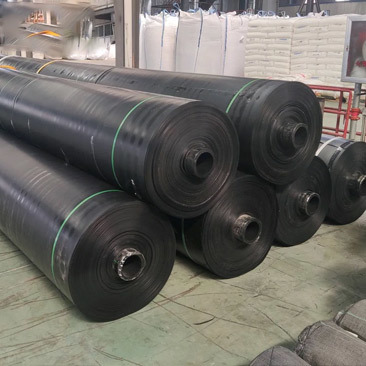
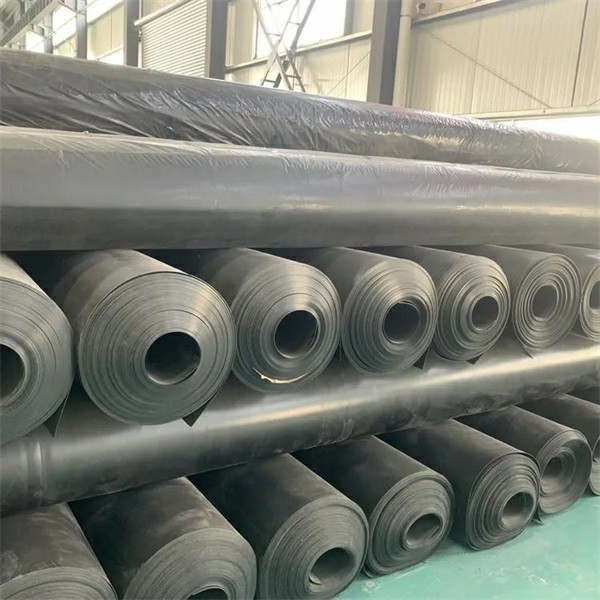
Geomembranes are synthetic membranes used as barriers to control fluid or gas movement in various engineering and construction applications. As a crucial component in the field of construction and decorative materials, particularly in site construction materials, geomembranes are designed to provide effective waterproofing and containment solutions.
One of the primary uses of geomembranes is in landfill construction. These membranes act as liners to prevent leachate—a toxic liquid that can contaminate groundwater—from escaping into the environment. By creating a secure barrier, geomembranes help protect public health and preserve natural resources. Moreover, their impermeable nature allows for efficient waste management and contributes to sustainable engineering practices.
In addition to landfills, geomembranes are extensively used in water containment systems, such as reservoirs, ponds, and canals. Their ability to resist punctures and tears makes them suitable for applications where exposure to harsh environmental conditions is expected. The installation of geomembranes in these settings not only ensures the integrity of water storage but also minimizes evaporation losses, thereby enhancing resource efficiency.
Another significant application of geomembranes is in soil stabilization and erosion control. These membranes can be employed to create barriers that prevent soil erosion while maintaining the stability of embankments and slopes. By utilizing geomembranes in conjunction with other construction materials, professionals can enhance the longevity and durability of infrastructure projects.
Furthermore, the versatility of geomembranes extends to the agricultural sector, where they are used in irrigation systems and as liners for agricultural ponds. Their capacity to provide a reliable barrier against water loss and contamination is invaluable in optimizing water usage in agricultural practices.
When selecting geomembranes for a project, professionals should consider various factors, including material compatibility, thickness, and installation methods. The effectiveness of geomembranes largely depends on proper installation and maintenance, making it essential for construction teams to adhere to best practices.
In conclusion, geomembranes play an indispensable role in modern construction, providing solutions for environmental protection, resource management, and structural integrity. Their wide range of applications and benefits makes them an essential material for professionals in the construction and decoration industry. As advancements in material technology continue to evolve, the future of geomembranes looks promising, with innovative solutions paving the way for even greater efficiency and sustainability in construction practices.
One of the primary uses of geomembranes is in landfill construction. These membranes act as liners to prevent leachate—a toxic liquid that can contaminate groundwater—from escaping into the environment. By creating a secure barrier, geomembranes help protect public health and preserve natural resources. Moreover, their impermeable nature allows for efficient waste management and contributes to sustainable engineering practices.
In addition to landfills, geomembranes are extensively used in water containment systems, such as reservoirs, ponds, and canals. Their ability to resist punctures and tears makes them suitable for applications where exposure to harsh environmental conditions is expected. The installation of geomembranes in these settings not only ensures the integrity of water storage but also minimizes evaporation losses, thereby enhancing resource efficiency.
Another significant application of geomembranes is in soil stabilization and erosion control. These membranes can be employed to create barriers that prevent soil erosion while maintaining the stability of embankments and slopes. By utilizing geomembranes in conjunction with other construction materials, professionals can enhance the longevity and durability of infrastructure projects.
Furthermore, the versatility of geomembranes extends to the agricultural sector, where they are used in irrigation systems and as liners for agricultural ponds. Their capacity to provide a reliable barrier against water loss and contamination is invaluable in optimizing water usage in agricultural practices.
When selecting geomembranes for a project, professionals should consider various factors, including material compatibility, thickness, and installation methods. The effectiveness of geomembranes largely depends on proper installation and maintenance, making it essential for construction teams to adhere to best practices.
In conclusion, geomembranes play an indispensable role in modern construction, providing solutions for environmental protection, resource management, and structural integrity. Their wide range of applications and benefits makes them an essential material for professionals in the construction and decoration industry. As advancements in material technology continue to evolve, the future of geomembranes looks promising, with innovative solutions paving the way for even greater efficiency and sustainability in construction practices.
CONTACT US
Address: Shuangyi Road, Lingcheng District, Dezhou City, Shandong Province


GET A DEDICATED QUOTATION