


Common Misconceptions About PE Geomembrane Debunked: The Truth Behind the Material
Release time:
2026-02-02
Common Misconceptions About PE Geomembrane Debunked Table of Contents Introduction to PE Geomembranes What is PE Geomembrane? Misconception 1: PE Geomembranes Are Not Durable Misconception 2: PE Geomembranes Are Only for Water Containment Misconception 3: All Geomembranes Are the Same Misconception 4: PE Geomembranes Are Harmful to the Environment Misconception 5: PE G
Common Misconceptions About PE Geomembrane Debunked
Table of Contents
- Introduction to PE Geomembranes
- What is PE Geomembrane?
- Misconception 1: PE Geomembranes Are Not Durable
- Misconception 2: PE Geomembranes Are Only for Water Containment
- Misconception 3: All Geomembranes Are the Same
- Misconception 4: PE Geomembranes Are Harmful to the Environment
- Misconception 5: PE Geomembranes Are Difficult to Install
- Applications of PE Geomembranes in Various Industries
- The Future of PE Geomembranes
- Conclusion
- FAQs about PE Geomembranes
Introduction to PE Geomembranes
Geomembranes are critical components in numerous construction and environmental applications. Among the various types of geomembranes, **polyethylene (PE) geomembranes** are particularly popular due to their versatility and effectiveness. Despite their widespread use, many misconceptions linger regarding their properties and applications. This article aims to debunk these myths and provide a comprehensive overview of PE geomembranes, their benefits, and their real-world applications.
What is PE Geomembrane?
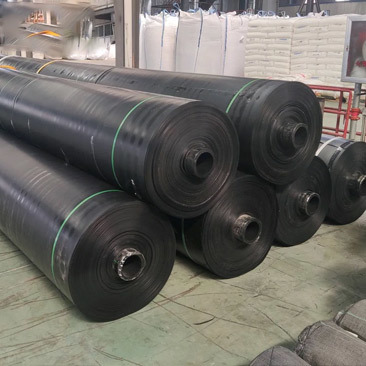
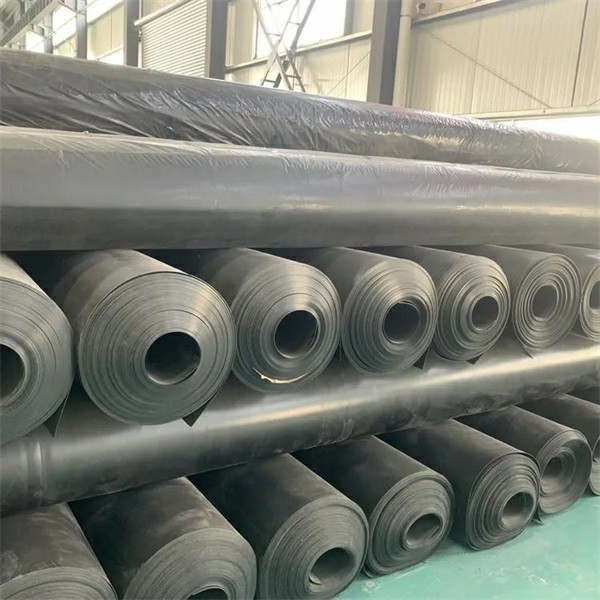
Polyethylene geomembranes are synthetic membranes made from high-density polyethylene (HDPE) or low-density polyethylene (LDPE). These materials create impermeable barriers that prevent the passage of liquids or gases. PE geomembranes are commonly used in various applications, including:
- **Landfill liners**
- **Wastewater treatment**
- **Mining operations**
- **Irrigation systems**
- **Aquaculture**
Their durability, chemical resistance, and flexibility make them ideal for these demanding applications.
Misconception 1: PE Geomembranes Are Not Durable
One of the most prevalent misconceptions about PE geomembranes is their perceived lack of durability. In reality, **PE geomembranes are designed to withstand harsh environmental conditions**. They are resistant to UV radiation, chemical degradation, and punctures, making them suitable for long-term use in various applications.
**Research indicates** that properly installed PE geomembranes can last over 30 years. Factors such as thickness, installation quality, and environmental conditions do play a role in their longevity, but when installed correctly, they prove to be highly durable.
Misconception 2: PE Geomembranes Are Only for Water Containment
Another common myth is that PE geomembranes are exclusively used for water containment. While they excel in this area, their applications extend far beyond just holding water.
**PE geomembranes serve multiple functions, including**:
- **Chemical containment**: Used in industries to store hazardous materials securely.
- **Soil stabilization**: In landscaping and construction, they help prevent soil erosion.
- **Gas barriers**: In landfills, they can control gas emissions.
Their versatility makes them a valuable asset across various sectors.
Misconception 3: All Geomembranes Are the Same
Many assume that all geomembranes share similar properties and applications, which is far from the truth. **There are significant differences between geomembrane types**—such as PVC, EPDM, and PE—each having unique characteristics and uses.
**For instance**:
- **PVC geomembranes** offer flexibility and are often used in ponds and reservoirs. However, they can degrade under UV exposure.
- **EPDM geomembranes** are excellent for roofing and waterproofing but are less effective in landfill applications.
Understanding these differences is crucial when selecting the right geomembrane for a specific application.
Misconception 4: PE Geomembranes Are Harmful to the Environment
Some believe that using PE geomembranes is detrimental to the environment due to their synthetic nature. However, **numerous studies demonstrate that when disposed of properly**, PE geomembranes do not pose significant environmental risks.
In fact, they help protect the environment by:
- **Preventing contamination**: By creating barriers that keep hazardous materials contained.
- **Conserving water**: By reducing evaporation in agricultural applications through effective water management.
Moreover, the production of PE geomembranes has become increasingly environmentally friendly, with manufacturers adopting sustainable practices.
Misconception 5: PE Geomembranes Are Difficult to Install
The perception that PE geomembranes are challenging to install is another myth that needs clarification. While installation requires a certain level of expertise, modern techniques and technologies have simplified the process significantly.
**Key installation aspects include**:
- **Proper site preparation**: Ensuring the area is free of debris and sharp objects.
- **Seam welding**: Using advanced welding techniques to create strong, leak-proof seams.
- **Quality control**: Implementing checks to ensure the integrity of the installation.
With the right team and equipment, installation can be efficient and straightforward.
Applications of PE Geomembranes in Various Industries
PE geomembranes play a pivotal role in multiple industries, showcasing their versatility and effectiveness. Here are some prominent applications:
Landfill Liners
In waste management, **PE geomembranes serve as landfill liners**, preventing leachate from contaminating soil and groundwater. Their impermeability is crucial for environmental protection, making them a standard choice in landfill construction.
Water Management in Agriculture
In agriculture, PE geomembranes are used in irrigation systems to conserve water and reduce evaporation. They create efficient water management systems that help farmers maximize water usage, enhancing crop yields while minimizing waste.
Mining Operations
Mining companies rely on PE geomembranes to contain and manage waste from mining activities. These membranes help prevent contamination of surrounding environments, ensuring compliance with environmental regulations and promoting sustainable mining practices.
Aquaculture
PE geomembranes are also used in aquaculture to create containment systems for fish and other aquatic life. They help maintain optimal water conditions while preventing the escape of species, contributing to the sustainability of aquatic farming.
The Future of PE Geomembranes
The future of PE geomembranes looks promising as technology advances. Innovations in materials and installation techniques are paving the way for even greater efficiency and ecological sustainability.
**Emerging trends include**:
- **Biodegradable options**: Researchers are exploring the development of biodegradable geomembranes to reduce environmental impact.
- **Smart technology integration**: Incorporating sensors into geomembrane systems for real-time monitoring of integrity and performance.
These advancements will likely position PE geomembranes as a critical component in sustainable construction and environmental management for years to come.
Conclusion
Understanding the **truth behind PE geomembranes** is essential for making informed decisions in construction and environmental management. By debunking common misconceptions, we shed light on their durability, versatility, and critical role in protecting our environment. As industries continue to evolve and embrace sustainable practices, the demand for reliable geomembranes will only grow. Therefore, recognizing the realities of PE geomembranes will empower businesses and individuals alike to utilize this valuable resource effectively.
FAQs about PE Geomembranes
1. What types of projects are PE geomembranes commonly used for?
PE geomembranes are commonly used in landfill construction, wastewater treatment, mining, agriculture, and aquaculture projects.
2. How long do PE geomembranes last?
With proper installation and maintenance, PE geomembranes can last over 30 years.
3. Are PE geomembranes safe for the environment?
Yes, when disposed of correctly, PE geomembranes can help protect the environment by preventing contamination and conserving water.
4. How are PE geomembranes installed?
Installation involves site preparation, seam welding, and quality control to ensure a leak-proof barrier.
5. Can PE geomembranes be recycled?
While recycling options are limited, manufacturers are increasingly exploring sustainable practices, including the development of biodegradable alternatives in the industry.
By addressing these questions and clarifying misconceptions, we hope to enhance your understanding of the crucial role PE geomembranes play in various applications.
CONTACT US
Address: Shuangyi Road, Lingcheng District, Dezhou City, Shandong Province


GET A DEDICATED QUOTATION