


Exploring the Cost-Effectiveness of Geomembrane Material: A Comprehensive Guide
Release time:
2026-01-24
Exploring the Cost-Effectiveness of Geomembrane Material Table of Contents 1. Introduction to Geomembrane Materials 2. What is Geomembrane? 3. Types of Geomembrane Materials 4. Key Applications of Geomembrane Materials 5. Cost-Effective Benefits of Using Geomembrane 6. Factors Affecting the Cost of Geomembrane Installation 7. Comparing Geomembrane with Other Materials
Exploring the Cost-Effectiveness of Geomembrane Material
Table of Contents
- 1. Introduction to Geomembrane Materials
- 2. What is Geomembrane?
- 3. Types of Geomembrane Materials
- 4. Key Applications of Geomembrane Materials
- 5. Cost-Effective Benefits of Using Geomembrane
- 6. Factors Affecting the Cost of Geomembrane Installation
- 7. Comparing Geomembrane with Other Materials
- 8. Frequently Asked Questions
- 9. Conclusion
1. Introduction to Geomembrane Materials
In recent years, geomembrane materials have gained significant attention in the construction industry, primarily due to their durability, flexibility, and cost-effectiveness. As we explore this topic, we will uncover the various aspects that make geomembranes a preferable choice for contractors and engineers alike.
2. What is Geomembrane?
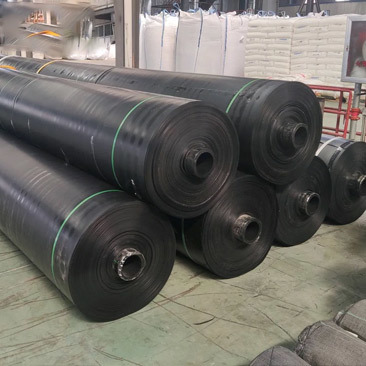
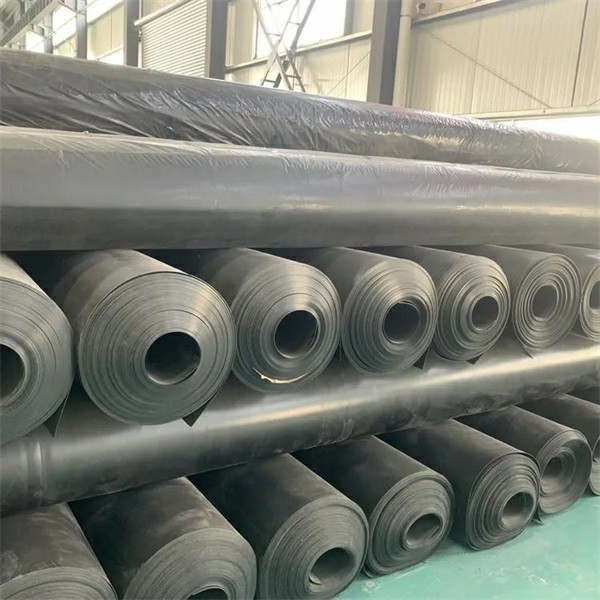
Geomembrane is a synthetic membrane layer used to control the movement of fluids in various applications. Typically composed of polyethylene, polypropylene, or polyvinyl chloride, geomembranes are designed to be impermeable barriers. These materials help manage water flow, prevent contamination, and provide structural support in various construction projects.
Understanding the Composition of Geomembranes
Geomembranes are made from several types of polymers. The choice of polymer affects the material's properties, including its resistance to chemicals, UV light, and temperature variations. This adaptability ensures that geomembranes can be utilized in diverse environments, from landfills to water reservoirs.
3. Types of Geomembrane Materials
There are several types of geomembrane materials available, each with unique properties tailored to specific applications. Understanding these types is crucial in determining the best fit for your project.
High-Density Polyethylene (HDPE) Geomembranes
HDPE geomembranes are known for their high tensile strength and resistance to chemicals. They are widely used in landfill liners, mining applications, and water containment systems due to their durability and cost-effectiveness.
Low-Density Polyethylene (LDPE) Geomembranes
LDPE geomembranes offer excellent flexibility and are suitable for projects requiring intricate shapes and curves. They are often used in agricultural applications and pond liners.
Polyvinyl Chloride (PVC) Geomembranes
PVC geomembranes are highly versatile and can be utilized in various applications due to their excellent chemical resistance and weldability. They are commonly used in wastewater treatment facilities and containment systems.
4. Key Applications of Geomembrane Materials
Geomembrane materials play a vital role in multiple sectors, providing effective solutions to various challenges. Here are some key applications.
Landfill Liners
One of the most prevalent uses of geomembranes is in landfill liners. They prevent leachate from contaminating groundwater and ensure safe waste disposal.
Water Reservoirs
Geomembranes are extensively used in the construction of water reservoirs, ensuring minimal water loss and preventing contamination from surrounding soil.
Agricultural Applications
In agriculture, geomembranes are utilized for pond liners, providing a reliable barrier to retain water and facilitate irrigation in arid regions.
Mining Operations
Geomembranes are critical in mining operations, where they help manage the containment of hazardous materials and protect the environment from contamination.
5. Cost-Effective Benefits of Using Geomembrane
Adopting geomembrane materials in construction projects can lead to substantial cost savings and efficiency benefits. Here are some key points to consider.
Durability and Longevity
Geomembranes are designed to withstand harsh environmental conditions, which means they often require minimal maintenance. This durability translates to lower long-term costs, as projects are less likely to incur repair or replacement expenses.
Reduced Labor and Installation Costs
The lightweight nature of geomembranes allows for easier handling and installation, leading to reduced labor costs. Quick installation times mean projects can be completed faster, saving time and money.
Environmental Protection Savings
By preventing contamination and protecting water resources, geomembranes can avert costly environmental remediation efforts. This factor alone can justify the initial investment in geomembrane materials.
Versatility Across Applications
The adaptability of geomembranes to various applications makes them a cost-effective choice for contractors. Their multifunctionality reduces the need for multiple different materials, consolidating costs.
6. Factors Affecting the Cost of Geomembrane Installation
Several factors influence the overall cost of installing geomembranes. Understanding these can help project managers budget more effectively.
Material Type
The choice of geomembrane material plays a significant role in cost. For instance, HDPE geomembranes tend to be more expensive than LDPE due to their enhanced properties but may ultimately offer cost savings through longevity.
Project Size
Larger projects may benefit from economies of scale, while smaller projects could incur higher per-unit costs. It is essential to consider the size of the project when estimating expenses related to geomembrane installation.
Site Conditions
The geographical and environmental conditions of the installation site can impact costs. Challenging terrains may require additional preparation or specific installation techniques, affecting the overall budget.
7. Comparing Geomembrane with Other Materials
When considering materials for construction projects, it is crucial to compare geomembranes with other options, such as traditional concrete or clay liners.
Cost Comparison
While traditional materials may have lower upfront costs, their long-term maintenance and repair expenses can quickly accumulate. Geomembranes, on the other hand, may have a higher initial investment but ultimately prove more cost-effective.
Performance Comparison
Geomembranes offer superior performance in terms of flexibility and impermeability. They can adapt to changing environmental conditions better than traditional materials, making them a more reliable choice in various applications.
8. Frequently Asked Questions
What is the lifespan of geomembrane materials?
Most geomembranes have a lifespan of 20 to 30 years, depending on environmental conditions and material type.
Are geomembranes environmentally friendly?
Yes, geomembranes can protect the environment by preventing contamination and reducing resource wastage.
How are geomembranes installed?
Geomembranes are typically installed by placing the material over the prepared surface and securing it in place, often with seams welded together for added durability.
Can geomembranes be recycled?
Some geomembrane materials, especially those made from HDPE, can be recycled, contributing to sustainable construction practices.
What factors should be considered when choosing a geomembrane?
Factors include the type of project, environmental conditions, required durability, and budget constraints.
9. Conclusion
In conclusion, geomembrane materials offer a remarkable balance of durability, versatility, and cost-effectiveness across various applications. From landfill liners to agricultural ponds, these materials provide significant long-term savings and environmental benefits. As the construction industry continues to evolve, incorporating geomembranes into project planning can lead to enhanced performance and sustainability. By understanding the benefits and factors related to geomembrane materials, contractors can make informed decisions that ultimately contribute to successful and economically sound projects.
CONTACT US
Address: Shuangyi Road, Lingcheng District, Dezhou City, Shandong Province


GET A DEDICATED QUOTATION