


Understanding Geomembrane: The Essential Role in Construction and Environmental Protection
Release time:
2026-01-23
Geomembranes are synthetic membranes that act as a barrier to fluid migration in a wide range of applications, making them indispensable in the construction and civil engineering industries. Typically made from materials like polyethylene, polypropylene, and polyvinyl chloride, geomembranes are designed to be impermeable, providing excellent resistance to water, chemicals, and gases. The versatili
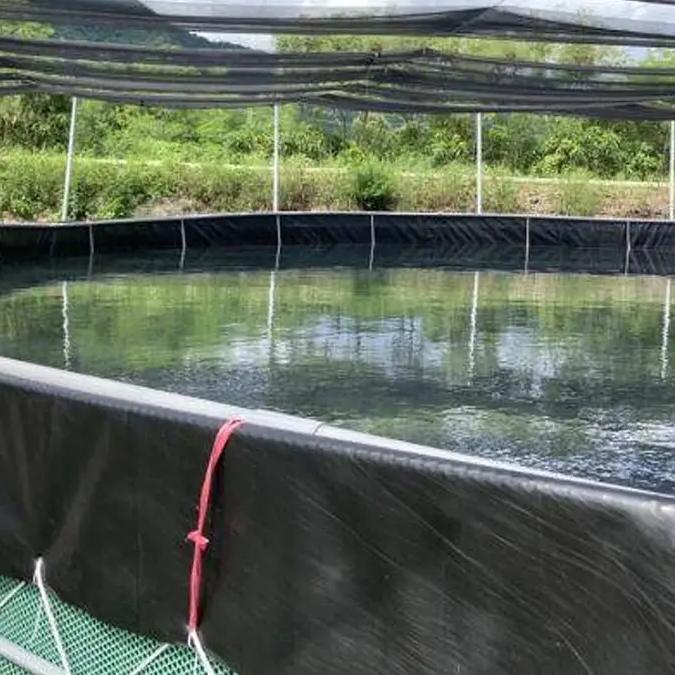
Geomembranes are synthetic membranes that act as a barrier to fluid migration in a wide range of applications, making them indispensable in the construction and civil engineering industries. Typically made from materials like polyethylene, polypropylene, and polyvinyl chloride, geomembranes are designed to be impermeable, providing excellent resistance to water, chemicals, and gases. The versatility of geomembranes makes them suitable for various applications, including landfill liners, pond liners, and water reservoirs.
One of the primary functions of geomembranes in construction is to prevent fluid leakage, which can lead to serious environmental issues. For instance, in landfill applications, geomembranes are used as liners to contain leachate, thus protecting groundwater from contamination. By providing a reliable barrier, geomembranes help ensure that potentially hazardous materials do not seep into the ecosystem, thereby playing a critical role in environmental protection.
In addition to their environmental benefits, geomembranes contribute to the structural stability of construction projects. They help control groundwater levels, reducing hydrostatic pressure on structures such as basements and retaining walls. This is particularly important in areas with high water tables or where soil saturation is a concern. By managing water flow effectively, geomembranes enhance the durability and longevity of various structures.
Furthermore, the installation of geomembranes is relatively straightforward, which can lead to significant time savings during construction. Their lightweight nature makes handling and positioning easier, allowing for quicker project completion. Additionally, geomembranes are designed to withstand extreme weather conditions, including UV radiation and temperature fluctuations, ensuring that they maintain their integrity over time.
The growing awareness of environmental sustainability has also increased the demand for geomembranes in various projects. As regulations concerning waste management and environmental protection tighten, the role of geomembranes becomes even more critical. They are increasingly being utilized in green building practices, where minimizing environmental impact is a top priority.
In summary, geomembranes serve as vital protective barriers in construction, offering both environmental and structural benefits. Their ability to prevent fluid migration, manage groundwater, and enhance project efficiency makes them an essential material in modern construction practices. As the industry continues to evolve, the importance of geomembranes will only increase, solidifying their position as a key component in sustainable construction and environmental management.
One of the primary functions of geomembranes in construction is to prevent fluid leakage, which can lead to serious environmental issues. For instance, in landfill applications, geomembranes are used as liners to contain leachate, thus protecting groundwater from contamination. By providing a reliable barrier, geomembranes help ensure that potentially hazardous materials do not seep into the ecosystem, thereby playing a critical role in environmental protection.
In addition to their environmental benefits, geomembranes contribute to the structural stability of construction projects. They help control groundwater levels, reducing hydrostatic pressure on structures such as basements and retaining walls. This is particularly important in areas with high water tables or where soil saturation is a concern. By managing water flow effectively, geomembranes enhance the durability and longevity of various structures.
Furthermore, the installation of geomembranes is relatively straightforward, which can lead to significant time savings during construction. Their lightweight nature makes handling and positioning easier, allowing for quicker project completion. Additionally, geomembranes are designed to withstand extreme weather conditions, including UV radiation and temperature fluctuations, ensuring that they maintain their integrity over time.
The growing awareness of environmental sustainability has also increased the demand for geomembranes in various projects. As regulations concerning waste management and environmental protection tighten, the role of geomembranes becomes even more critical. They are increasingly being utilized in green building practices, where minimizing environmental impact is a top priority.
In summary, geomembranes serve as vital protective barriers in construction, offering both environmental and structural benefits. Their ability to prevent fluid migration, manage groundwater, and enhance project efficiency makes them an essential material in modern construction practices. As the industry continues to evolve, the importance of geomembranes will only increase, solidifying their position as a key component in sustainable construction and environmental management.

CONTACT US
Address: Shuangyi Road, Lingcheng District, Dezhou City, Shandong Province


GET A DEDICATED QUOTATION