


Understanding Composite Geomembranes: Essential Insights for Construction Projects
Release time:
2026-01-25
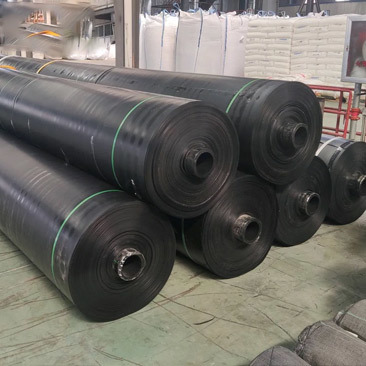
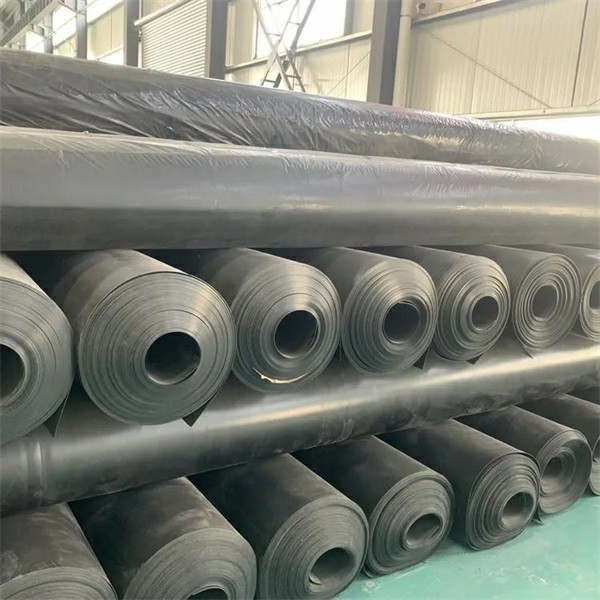
Composite geomembranes are specialized materials widely utilized in the construction and civil engineering sectors, particularly for various soil and water management applications. These geomembranes are manufactured by combining different materials, typically a polymeric film and a geotextile layer, which work together to provide enhanced properties that are crucial for construction projects. One
Composite geomembranes are specialized materials widely utilized in the construction and civil engineering sectors, particularly for various soil and water management applications. These geomembranes are manufactured by combining different materials, typically a polymeric film and a geotextile layer, which work together to provide enhanced properties that are crucial for construction projects.
One of the primary functions of composite geomembranes is to serve as a barrier against liquids and gases. This makes them ideal for applications such as landfill liners, pond liners, and containment systems for hazardous materials. By preventing leaks and controlling seepage, composite geomembranes play a critical role in protecting the environment and ensuring compliance with regulatory standards.
The unique combination of materials in composite geomembranes allows for improved durability and resistance to punctures, UV radiation, and chemical exposure. This increased resilience is vital in construction settings where materials may be subjected to harsh environmental conditions or mechanical stress. As a result, these geomembranes not only extend the lifespan of the projects but also reduce maintenance costs over time.
Furthermore, the installation of composite geomembranes is relatively straightforward, making them an efficient choice for contractors. Their lightweight nature and flexible design enable quick and easy deployment, which can significantly speed up project timelines. Additionally, their compatibility with various substrates further enhances their usability in different construction contexts.
Composite geomembranes are also highly versatile. Beyond their use in landfill and water containment applications, they can be employed in various sectors, including mining, agriculture, and infrastructure projects. For instance, in mining, they are used to line tailings ponds, while in agriculture, they can be utilized for water conservation in irrigation systems.
Sustainability is another significant advantage of composite geomembranes. Many manufacturers are now producing geomembranes from recycled materials or developing eco-friendly options that minimize environmental impact. This trend aligns with the construction industry's increasing focus on sustainable practices, making composite geomembranes an excellent choice for environmentally conscious projects.
In conclusion, understanding the properties and applications of composite geomembranes is essential for anyone involved in construction and civil engineering. Their ability to act as effective barriers while offering durability and ease of installation makes them a preferred choice for a wide range of projects. Embracing this technology can lead to not only enhanced project performance but also a commitment to sustainability in construction practices.
One of the primary functions of composite geomembranes is to serve as a barrier against liquids and gases. This makes them ideal for applications such as landfill liners, pond liners, and containment systems for hazardous materials. By preventing leaks and controlling seepage, composite geomembranes play a critical role in protecting the environment and ensuring compliance with regulatory standards.
The unique combination of materials in composite geomembranes allows for improved durability and resistance to punctures, UV radiation, and chemical exposure. This increased resilience is vital in construction settings where materials may be subjected to harsh environmental conditions or mechanical stress. As a result, these geomembranes not only extend the lifespan of the projects but also reduce maintenance costs over time.
Furthermore, the installation of composite geomembranes is relatively straightforward, making them an efficient choice for contractors. Their lightweight nature and flexible design enable quick and easy deployment, which can significantly speed up project timelines. Additionally, their compatibility with various substrates further enhances their usability in different construction contexts.
Composite geomembranes are also highly versatile. Beyond their use in landfill and water containment applications, they can be employed in various sectors, including mining, agriculture, and infrastructure projects. For instance, in mining, they are used to line tailings ponds, while in agriculture, they can be utilized for water conservation in irrigation systems.
Sustainability is another significant advantage of composite geomembranes. Many manufacturers are now producing geomembranes from recycled materials or developing eco-friendly options that minimize environmental impact. This trend aligns with the construction industry's increasing focus on sustainable practices, making composite geomembranes an excellent choice for environmentally conscious projects.
In conclusion, understanding the properties and applications of composite geomembranes is essential for anyone involved in construction and civil engineering. Their ability to act as effective barriers while offering durability and ease of installation makes them a preferred choice for a wide range of projects. Embracing this technology can lead to not only enhanced project performance but also a commitment to sustainability in construction practices.
CONTACT US
Address: Shuangyi Road, Lingcheng District, Dezhou City, Shandong Province


GET A DEDICATED QUOTATION