


Understanding Geomembrane Materials: Essential Insights for Construction Applications
Release time:
2026-01-19
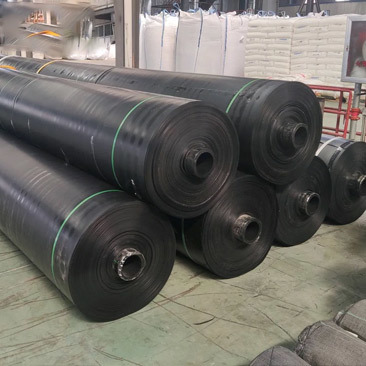
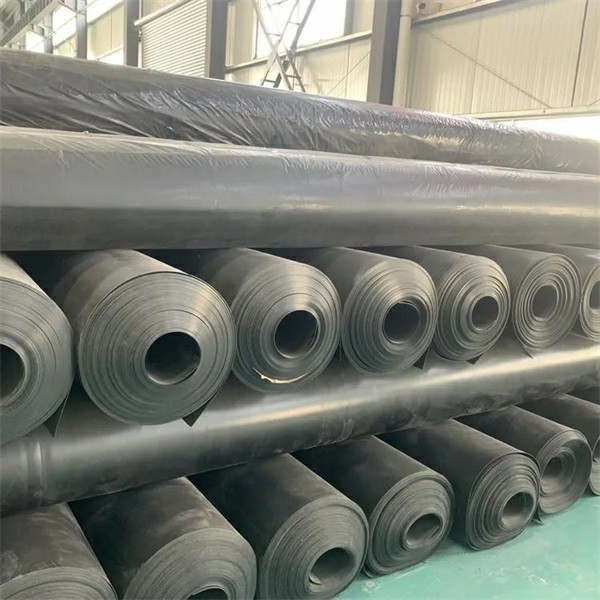
Geomembrane materials are a crucial component in the construction and civil engineering sectors, particularly in applications involving soil containment and water management. These synthetic membranes are designed to act as barriers, preventing the movement of liquids or gases through soil and other materials. Typically made from polymers like polyethylene, polypropylene, or PVC, geomembranes are
Geomembrane materials are a crucial component in the construction and civil engineering sectors, particularly in applications involving soil containment and water management. These synthetic membranes are designed to act as barriers, preventing the movement of liquids or gases through soil and other materials. Typically made from polymers like polyethylene, polypropylene, or PVC, geomembranes are recognized for their durability, flexibility, and resistance to environmental factors.
One of the primary uses of geomembrane materials is in landfill liner systems. They provide a protective layer, preventing leachate, a potentially harmful liquid formed when waste decomposes, from contaminating soil and groundwater. This application is vital for environmental protection and compliance with regulatory standards. Furthermore, geomembranes are often employed in the construction of ponds, reservoirs, and canals to minimize water loss through seepage.
In addition to waste management and water containment, geomembrane materials are essential in various other applications, such as mining and civil construction. In mining operations, they are used for tailings storage facilities to contain hazardous materials and protect the surrounding environment. Similarly, in civil engineering projects, geomembranes help stabilize soil and control erosion, making them invaluable in the construction of roads, bridges, and other infrastructures.
One of the standout features of geomembrane materials is their adaptability to different environmental conditions. They are designed to withstand a wide range of temperatures, UV radiation, and chemical exposure, ensuring longevity and effectiveness in diverse applications. Manufacturers often provide geomembranes in various thicknesses and sizes, allowing for customization based on specific project requirements.
To ensure optimal performance, proper installation of geomembrane materials is critical. This involves careful consideration of factors such as site preparation, seam welding, and protection against punctures and rips. When installed correctly, geomembranes can significantly enhance the longevity and safety of construction projects.
In conclusion, geomembrane materials are an indispensable asset in the construction and civil engineering industries. Their ability to act as effective barriers against liquids and gases makes them essential for protecting the environment and ensuring the stability of various structures. As the demand for sustainable building practices continues to grow, the importance of geomembrane materials will only increase, making it crucial for industry professionals to understand their properties and applications.
One of the primary uses of geomembrane materials is in landfill liner systems. They provide a protective layer, preventing leachate, a potentially harmful liquid formed when waste decomposes, from contaminating soil and groundwater. This application is vital for environmental protection and compliance with regulatory standards. Furthermore, geomembranes are often employed in the construction of ponds, reservoirs, and canals to minimize water loss through seepage.
In addition to waste management and water containment, geomembrane materials are essential in various other applications, such as mining and civil construction. In mining operations, they are used for tailings storage facilities to contain hazardous materials and protect the surrounding environment. Similarly, in civil engineering projects, geomembranes help stabilize soil and control erosion, making them invaluable in the construction of roads, bridges, and other infrastructures.
One of the standout features of geomembrane materials is their adaptability to different environmental conditions. They are designed to withstand a wide range of temperatures, UV radiation, and chemical exposure, ensuring longevity and effectiveness in diverse applications. Manufacturers often provide geomembranes in various thicknesses and sizes, allowing for customization based on specific project requirements.
To ensure optimal performance, proper installation of geomembrane materials is critical. This involves careful consideration of factors such as site preparation, seam welding, and protection against punctures and rips. When installed correctly, geomembranes can significantly enhance the longevity and safety of construction projects.
In conclusion, geomembrane materials are an indispensable asset in the construction and civil engineering industries. Their ability to act as effective barriers against liquids and gases makes them essential for protecting the environment and ensuring the stability of various structures. As the demand for sustainable building practices continues to grow, the importance of geomembrane materials will only increase, making it crucial for industry professionals to understand their properties and applications.
CONTACT US
Address: Shuangyi Road, Lingcheng District, Dezhou City, Shandong Province


GET A DEDICATED QUOTATION