


Common Misconceptions About Geomembrane Explained: Debunking Myths for Better Understanding
Release time:
2026-01-18
Common Misconceptions About Geomembrane Explained Geomembranes have revolutionized the construction and decoration materials industry, bringing innovative solutions for various applications. However, despite their significance, numerous misconceptions persist about these materials. In this article, we will delve into the common myths surrounding geomembranes, clarify the facts, and demonstrate the
Common Misconceptions About Geomembrane Explained
Geomembranes have revolutionized the construction and decoration materials industry, bringing innovative solutions for various applications. However, despite their significance, numerous misconceptions persist about these materials. In this article, we will delve into the common myths surrounding geomembranes, clarify the facts, and demonstrate their vital role in modern construction practices.
Table of Contents
- 1. Introduction to Geomembranes
- 2. Common Misconceptions About Geomembranes
- 2.1 Geomembranes Are Only Used for Landfills
- 2.2 Geomembranes Are Not Environmentally Friendly
- 2.3 All Geomembranes Are the Same
- 2.4 Geomembranes Are Expensive
- 2.5 Geomembranes Require Extensive Maintenance
- 3. The Importance of Understanding Geomembranes
- 4. Applications of Geomembranes in Construction
- 5. Frequently Asked Questions (FAQs)
- 6. Conclusion
1. Introduction to Geomembranes
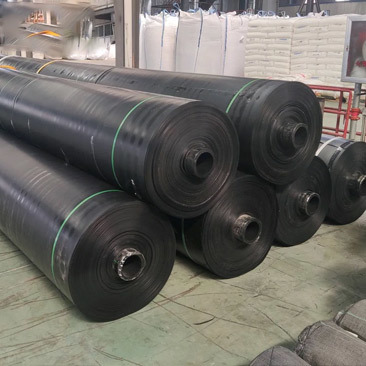
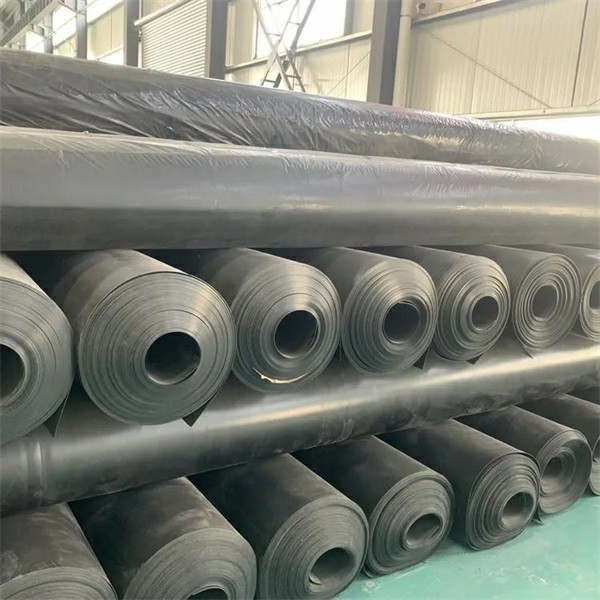
Geomembranes are synthetic materials used primarily for containment and separation applications in various industries, including construction, waste management, and environmental protection. Made from high-density polyethylene (HDPE), low-density polyethylene (LDPE), or polyvinyl chloride (PVC), these durable sheets play a critical role in preventing the migration of contaminants and protecting the environment. Despite their effectiveness and widespread use, many misconceptions cloud the understanding of geomembranes.
2. Common Misconceptions About Geomembranes
Understanding the reality of geomembranes requires debunking some prevalent myths. Below, we explore five significant misconceptions and provide clarity on each.
2.1 Geomembranes Are Only Used for Landfills
One of the most common misconceptions is that geomembranes are solely designed for landfill applications. While geomembranes are indeed utilized in landfills to contain leachate and prevent groundwater contamination, their use is far more extensive. These materials are applied in various sectors, including:
- **Water containment**: Used in reservoirs and canals to prevent water loss.
- **Mining**: Employed in heap leaching operations to manage runoff and protect surrounding land.
- **Agriculture**: Implemented in irrigation systems to ensure efficient water conservation.
By recognizing the diverse applications of geomembranes, we can appreciate their essential role in sustainable development.
2.2 Geomembranes Are Not Environmentally Friendly
Another prevalent myth is that geomembranes negatively impact the environment. In reality, these materials are engineered to provide effective containment solutions that protect natural resources. Their primary functions—preventing contamination and managing waste—are critical in mitigating environmental risks. Moreover, many geomembranes are designed to be recyclable, contributing to a more sustainable future.
Using geomembranes to contain hazardous materials or manage waste reduces the likelihood of soil, water, and air contamination, making them an environmentally responsible choice.
2.3 All Geomembranes Are the Same
Many individuals assume that all geomembranes possess identical qualities and performance levels. This misconception fails to recognize the significant variations in geomembrane types, materials, and specifications. Each geomembrane is engineered for specific applications and environmental conditions. For example, HDPE geomembranes are known for their high strength and chemical resistance, making them suitable for harsh environments, while LDPE geomembranes offer flexibility and are often used in applications requiring adaptability.
Choosing the appropriate geomembrane for a specific project is crucial for optimizing performance and ensuring long-term effectiveness.
2.4 Geomembranes Are Expensive
The perception that geomembranes are prohibitively expensive can deter potential users from considering them for their projects. While the initial cost of geomembranes may seem high, it is essential to evaluate the long-term benefits and savings they offer. By preventing contamination and minimizing the risk of environmental damage, geomembranes can save substantial costs associated with clean-up operations and regulatory compliance.
Additionally, advancements in manufacturing technologies have led to more cost-effective geomembrane options, making them accessible for various projects.
2.5 Geomembranes Require Extensive Maintenance
Lastly, the notion that geomembranes necessitate constant maintenance is a significant misconception. In reality, geomembranes are designed for durability and longevity, often requiring minimal maintenance once installed correctly. Routine inspections can help identify potential issues, but the materials themselves are engineered to withstand environmental stressors, making them a reliable choice for long-term applications.
Educating stakeholders about the low-maintenance nature of geomembranes can promote their adoption and enhance project sustainability.
3. The Importance of Understanding Geomembranes
Recognizing the truth about geomembranes is crucial for making informed decisions in construction and environmental management. Misunderstandings can lead to missed opportunities for utilizing these effective materials, resulting in potential environmental risks and increased costs. By dispelling myths and promoting awareness, we can foster the responsible use of geomembranes in various applications.
Understanding the characteristics and benefits of geomembranes equips engineers, project managers, and environmental professionals with the knowledge needed to implement effective containment and separation solutions.
4. Applications of Geomembranes in Construction
The versatility of geomembranes is reflected in their diverse applications within the construction industry. Below are some of the key areas where geomembranes play a fundamental role:
4.1 Waste Management
In waste management, geomembranes are utilized to line landfills and storage facilities, preventing leachate from contaminating surrounding soil and water sources. Their impermeability ensures that hazardous materials are contained, protecting the environment from contamination.
4.2 Water Conservation
Geomembranes are effective in constructing reservoirs, ponds, and canals, significantly reducing water evaporation and seepage. This application is crucial in areas prone to water scarcity, enabling efficient water resource management.
4.3 Mining Operations
In the mining industry, geomembranes are employed to create containment systems for tailings storage and leach pads. They prevent the escape of harmful chemicals and protect ground and surface water from contamination.
4.4 Agriculture
Geomembranes are increasingly used in agriculture for irrigation systems, preventing water loss and optimizing resource usage. They help retain moisture in soil, promoting healthy crop growth.
4.5 Civil Engineering
In civil engineering projects, geomembranes are utilized for slope stabilization, road construction, and tunnel linings. They enhance the structural integrity of projects and contribute to safer infrastructures.
5. Frequently Asked Questions (FAQs)
What materials are used to manufacture geomembranes?
Geomembranes are primarily made from high-density polyethylene (HDPE), low-density polyethylene (LDPE), or polyvinyl chloride (PVC). These materials are selected based on their specific properties and suitability for various applications.
How long do geomembranes last?
The lifespan of geomembranes varies depending on the material and environmental conditions. Generally, well-maintained geomembranes can last 20 years or more.
Are geomembranes resistant to UV radiation?
Many geomembranes are treated with UV stabilizers to withstand sunlight exposure, enhancing their durability and performance in outdoor applications.
Can geomembranes be recycled?
Yes, certain types of geomembranes can be recycled. It is essential to check with the manufacturer for recycling options and guidelines.
What factors should be considered when selecting a geomembrane?
When selecting a geomembrane, consider factors such as chemical compatibility, environmental conditions, application requirements, and budget constraints to ensure the best performance.
6. Conclusion
Recognizing and understanding the common misconceptions about geomembranes is essential for professionals in the construction and decoration materials industry. By debunking these myths, we can promote the effective use of geomembranes, ensuring they fulfill their critical role in protecting the environment and enhancing project sustainability. Armed with accurate information, stakeholders can make informed decisions that lead to better outcomes for both projects and the planet. Geomembranes are not just materials; they are vital components of a sustainable approach to construction and waste management.
CONTACT US
Address: Shuangyi Road, Lingcheng District, Dezhou City, Shandong Province


GET A DEDICATED QUOTATION