


Understanding PE Geomembranes: Essential Insights for Construction Professionals
Release time:
2026-01-17
Polyethylene (PE) geomembranes are synthetic liners made from high-density polyethylene or low-density polyethylene, widely used in various construction and civil engineering applications. These geomembranes serve as impermeable barriers, designed to prevent the migration of liquids or gases in the subsurface environment. Their primary applications include landfill liner systems, water containment
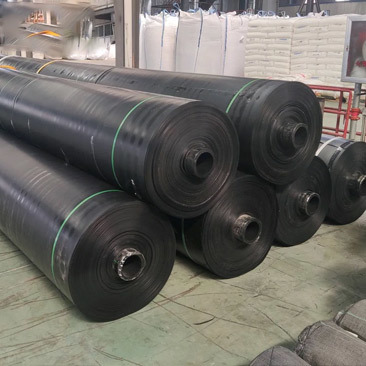
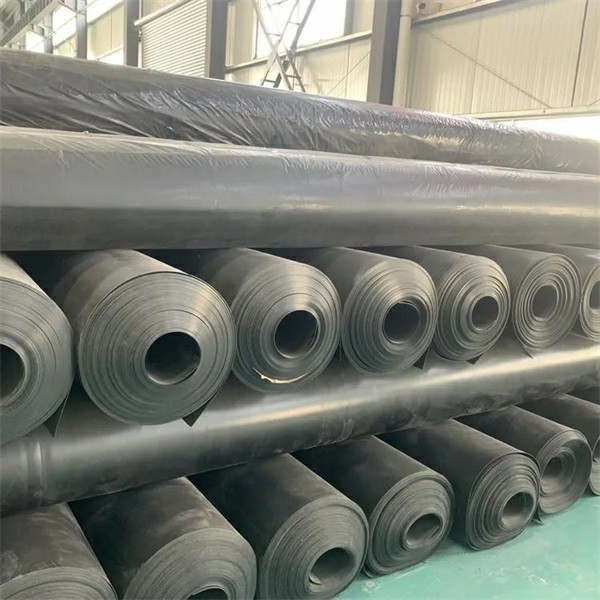
Polyethylene (PE) geomembranes are synthetic liners made from high-density polyethylene or low-density polyethylene, widely used in various construction and civil engineering applications. These geomembranes serve as impermeable barriers, designed to prevent the migration of liquids or gases in the subsurface environment. Their primary applications include landfill liner systems, water containment facilities, and environmental protection projects, making them indispensable in the construction industry.
One of the most significant advantages of PE geomembranes is their excellent chemical resistance. They can withstand a wide range of aggressive chemicals, making them suitable for use in hazardous waste containment, mining, and oil and gas applications. Additionally, their durability and UV resistance ensure a long service life, even when exposed to harsh environmental conditions.
When selecting a PE geomembrane, professionals should consider factors such as thickness, tensile strength, and elongation properties. Thicker geomembranes provide enhanced durability and resistance to punctures, while high tensile strength ensures they can withstand the stresses associated with soil movement and settlement. The elongation properties of PE geomembranes are also crucial, as they allow the material to stretch and adapt to changes in the surrounding environment without compromising its integrity.
Installation of PE geomembranes requires careful planning and execution. It is essential to ensure proper site preparation, which includes grading, compaction, and the removal of sharp objects that could damage the membrane. Seam welding is another critical aspect of installation, as high-quality seams are vital to maintaining the impermeability of the geomembrane. There are various techniques for seam welding, including extrusion welding and hot wedge welding, each offering distinct advantages depending on the project requirements.
In addition to their primary function as barriers, PE geomembranes also contribute to environmental sustainability. By preventing leachate from landfills or contaminants from mining activities from entering the groundwater supply, they play a vital role in protecting natural resources. Their use in stormwater management systems can also assist in reducing runoff and improving water quality.
In conclusion, PE geomembranes are a crucial component in the construction and civil engineering sectors, providing reliable solutions for environmental protection and containment. Understanding their properties, applications, and installation techniques can empower industry professionals to make informed decisions, ensuring the success of their projects while safeguarding the environment. As such, integrating PE geomembranes into construction processes is not just a matter of compliance but also a commitment to sustainable development.
One of the most significant advantages of PE geomembranes is their excellent chemical resistance. They can withstand a wide range of aggressive chemicals, making them suitable for use in hazardous waste containment, mining, and oil and gas applications. Additionally, their durability and UV resistance ensure a long service life, even when exposed to harsh environmental conditions.
When selecting a PE geomembrane, professionals should consider factors such as thickness, tensile strength, and elongation properties. Thicker geomembranes provide enhanced durability and resistance to punctures, while high tensile strength ensures they can withstand the stresses associated with soil movement and settlement. The elongation properties of PE geomembranes are also crucial, as they allow the material to stretch and adapt to changes in the surrounding environment without compromising its integrity.
Installation of PE geomembranes requires careful planning and execution. It is essential to ensure proper site preparation, which includes grading, compaction, and the removal of sharp objects that could damage the membrane. Seam welding is another critical aspect of installation, as high-quality seams are vital to maintaining the impermeability of the geomembrane. There are various techniques for seam welding, including extrusion welding and hot wedge welding, each offering distinct advantages depending on the project requirements.
In addition to their primary function as barriers, PE geomembranes also contribute to environmental sustainability. By preventing leachate from landfills or contaminants from mining activities from entering the groundwater supply, they play a vital role in protecting natural resources. Their use in stormwater management systems can also assist in reducing runoff and improving water quality.
In conclusion, PE geomembranes are a crucial component in the construction and civil engineering sectors, providing reliable solutions for environmental protection and containment. Understanding their properties, applications, and installation techniques can empower industry professionals to make informed decisions, ensuring the success of their projects while safeguarding the environment. As such, integrating PE geomembranes into construction processes is not just a matter of compliance but also a commitment to sustainable development.
CONTACT US
Address: Shuangyi Road, Lingcheng District, Dezhou City, Shandong Province


GET A DEDICATED QUOTATION