


Geomembrane Liners: A Critical Component for Industrial Applications
Release time:
2026-01-16
Geomembrane Liners: A Critical Component for Industrial Applications Table of Contents 1. Introduction to Geomembrane Liners 2. What Are Geomembrane Liners? 3. Types of Geomembrane Liners 3.1. Polyethylene Geomembranes 3.2. Polyvinyl Chloride (PVC) Liners 3.3. Ethylene Propylene Diene Monomer (EPDM) Liners 3.4. Other Specialized Liners 4. Benefits of Using Geomembrane Liners in Industrial Applicat
Geomembrane Liners: A Critical Component for Industrial Applications
Table of Contents
1. Introduction to Geomembrane Liners
2. What Are Geomembrane Liners?
3. Types of Geomembrane Liners
3.1. Polyethylene Geomembranes
3.2. Polyvinyl Chloride (PVC) Liners
3.3. Ethylene Propylene Diene Monomer (EPDM) Liners
3.4. Other Specialized Liners
4. Benefits of Using Geomembrane Liners in Industrial Applications
4.1. Environmental Protection
4.2. Cost-Effectiveness
4.3. Durability and Longevity
5. Common Industrial Applications of Geomembrane Liners
5.1. Landfills and Waste Management
5.2. Water Containment and Treatment
5.3. Mining Operations
5.4. Agriculture and Irrigation
6. Installation of Geomembrane Liners
6.1. Site Preparation
6.2. Liner Placement
6.3. Quality Control and Maintenance
7. Frequently Asked Questions (FAQs)
8. Conclusion
1. Introduction to Geomembrane Liners
Geomembrane liners play a pivotal role in modern industrial applications. As the demand for environmental protection increases alongside industrial growth, these liners have emerged as critical components in various sectors. Understanding their function, types, and benefits is essential for industries looking to optimize their operations while adhering to environmental standards.
2. What Are Geomembrane Liners?
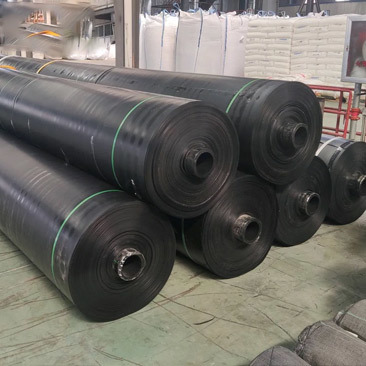
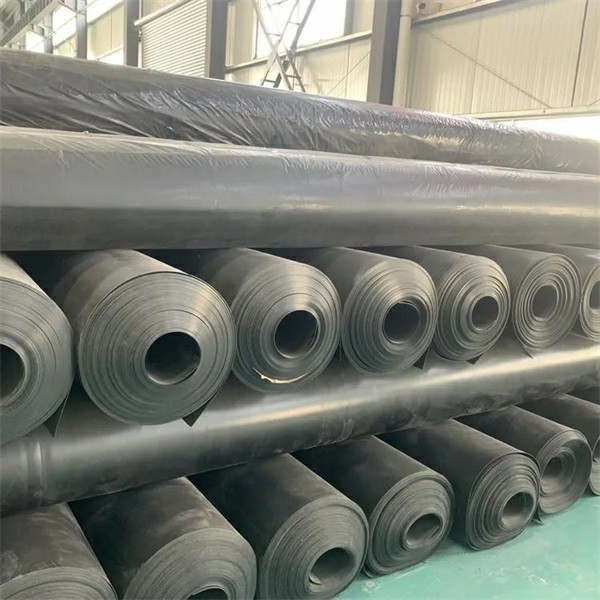
Geomembrane liners are synthetic membrane barriers made from durable materials, designed to contain or control fluid or gas migration in a wide range of applications. They are primarily used to prevent contamination of soil and groundwater, thus ensuring environmental integrity in industrial operations. The versatility of geomembrane liners makes them an invaluable asset across numerous sectors including waste management, mining, and agriculture.
3. Types of Geomembrane Liners
Understanding the various types of geomembrane liners available in the market is crucial for selecting the right material for specific applications. Each type offers unique properties that cater to different industrial requirements.
3.1. Polyethylene Geomembranes
Polyethylene geomembranes are among the most commonly used liners. They are available in high-density (HDPE) and low-density (LDPE) varieties. HDPE liners are known for their exceptional strength, flexibility, and resistance to chemical exposure, making them ideal for landfills and hazardous waste applications.
3.2. Polyvinyl Chloride (PVC) Liners
PVC liners are lightweight, flexible, and offer excellent resistance to UV radiation and chemicals. They are widely used in water containment projects, such as reservoirs and ponds, due to their high impermeability and ease of installation.
3.3. Ethylene Propylene Diene Monomer (EPDM) Liners
EPDM liners are highly durable and flexible, making them suitable for applications requiring exposure to extreme weather conditions. They are often used in agricultural ponds and reservoirs because they can withstand temperature fluctuations without compromising integrity.
3.4. Other Specialized Liners
Other specialized geomembrane liners include reinforced liners and geosynthetic clay liners (GCLs). Reinforced liners combine the strength of different materials, while GCLs offer enhanced barrier properties through the incorporation of bentonite clay.
4. Benefits of Using Geomembrane Liners in Industrial Applications
Investing in geomembrane liners offers numerous advantages that can significantly impact operational efficiency and environmental sustainability.
4.1. Environmental Protection
One of the primary benefits of geomembrane liners is their ability to protect the environment. By preventing leachate from contaminating groundwater and soil, these liners help industries comply with environmental regulations and promote sustainability.
4.2. Cost-Effectiveness
Geomembrane liners are a cost-effective solution for containment projects. Their durability reduces maintenance costs and extends the lifespan of the containment systems, ultimately leading to significant savings in both installation and operational costs.
4.3. Durability and Longevity
The longevity of geomembrane liners is another key benefit. Made from robust materials, these liners can withstand harsh environmental conditions, including high temperatures and chemical exposure, ensuring they maintain their integrity over time.
5. Common Industrial Applications of Geomembrane Liners
Geomembrane liners are utilized in a variety of industrial applications, showcasing their versatility and effectiveness.
5.1. Landfills and Waste Management
In landfills, geomembrane liners are employed to prevent leachate from contaminating groundwater. Their impermeability is crucial for ensuring that toxic substances do not migrate into the surrounding environment.
5.2. Water Containment and Treatment
Geomembranes are extensively used in water containment projects, such as ponds, lakes, and reservoirs. They provide a reliable barrier that prevents leakage, ensuring water remains clean and uncontaminated.
5.3. Mining Operations
In mining, geomembrane liners are used to manage tailings and hazardous materials. They help contain toxic substances, thereby minimizing the environmental impact of mining activities and ensuring compliance with regulations.
5.4. Agriculture and Irrigation
In agricultural applications, geomembrane liners are used in irrigation systems and waste lagoons. They help retain water and prevent contamination of groundwater, promoting sustainable agricultural practices.
6. Installation of Geomembrane Liners
Proper installation of geomembrane liners is essential to ensure their effectiveness and longevity.
6.1. Site Preparation
Before installation, thorough site preparation is crucial. This process involves clearing the area of debris, rocks, and vegetation, and leveling the ground to create a smooth surface for the liner.
6.2. Liner Placement
Once the site is prepared, the geomembrane liner is carefully laid out and secured in place. Proper alignment and overlapping of seams are vital to prevent leakage.
6.3. Quality Control and Maintenance
After installation, a quality control process ensures that the liner is installed correctly and functions as intended. Regular maintenance checks are also necessary to address any wear and tear that may occur over time.
7. Frequently Asked Questions (FAQs)
1. What is the lifespan of a geomembrane liner?
Most geomembrane liners can last between 20 to 50 years, depending on the material and environmental conditions. Proper installation and maintenance can enhance their longevity.
2. Are geomembrane liners environmentally friendly?
Yes, geomembrane liners are designed to minimize environmental impact by preventing leachate and contaminants from entering the soil and groundwater.
3. Can geomembrane liners be recycled?
Some geomembrane materials can be recycled, but it is essential to consult the manufacturer for specific guidelines.
4. How do I choose the right geomembrane liner for my project?
Consider factors such as the type of application, environmental conditions, and regulatory requirements when selecting a geomembrane liner.
5. What are the common challenges in installing geomembrane liners?
Common challenges include site preparation, ensuring proper seam integrity, and managing weather conditions during installation.
8. Conclusion
Geomembrane liners are vital components in various industrial applications, offering significant benefits in terms of environmental protection, cost-effectiveness, and durability. Understanding the types, benefits, and installation processes of these liners can help industries make informed decisions that enhance both operational efficiency and environmental sustainability. As industrial demands continue to grow, the role of geomembrane liners will become increasingly essential in safeguarding our environment while supporting industrial progress.
CONTACT US
Address: Shuangyi Road, Lingcheng District, Dezhou City, Shandong Province


GET A DEDICATED QUOTATION