


Understanding Composite Geomembranes: Key Benefits and Applications in Construction
Release time:
2026-01-15
Composite geomembranes are engineered products designed for applications requiring barrier systems for the control of fluid and gas transmission. They are typically made by combining two or more materials, often including a polymeric layer and a geotextile layer, to enhance performance attributes such as durability, flexibility, and resistance to environmental factors. These materials can be emplo
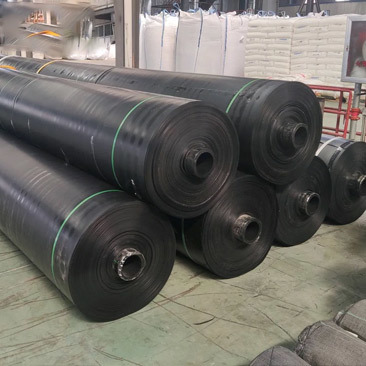
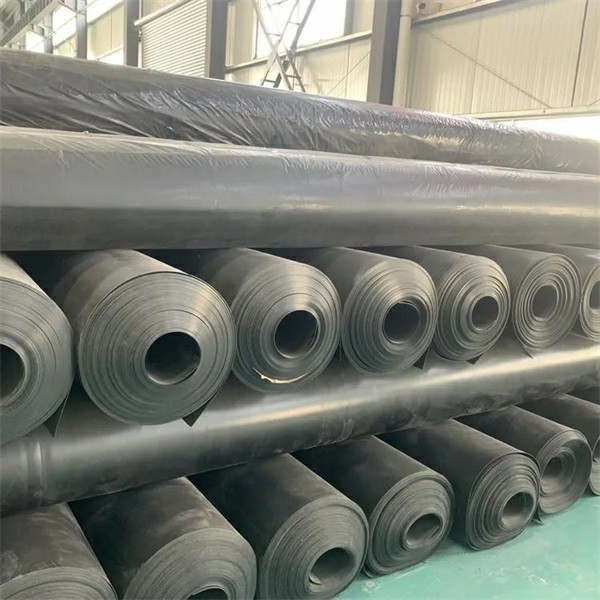
Composite geomembranes are engineered products designed for applications requiring barrier systems for the control of fluid and gas transmission. They are typically made by combining two or more materials, often including a polymeric layer and a geotextile layer, to enhance performance attributes such as durability, flexibility, and resistance to environmental factors. These materials can be employed in diverse scenarios, including landfill liners, pond liners, and water containment applications.
One of the primary benefits of composite geomembranes lies in their exceptional puncture resistance and tensile strength. The inclusion of geotextiles can significantly reduce the risk of damage caused by sharp objects or intense environmental conditions. This feature is particularly vital in construction projects involving harsh terrains or where the geomembrane will be subjected to mechanical stress.
Another advantage is the enhanced permeability control. The combination of materials allows for a customized barrier that can effectively limit fluid migration while maintaining the necessary flexibility for various applications. This characteristic is crucial when using composite geomembranes in environments where groundwater contamination is a concern, such as landfill sites or industrial facilities.
In addition, composite geomembranes are often designed to be UV-resistant and chemically stable, ensuring long-term performance even in harsh environments. This durability translates into lower maintenance costs and longer lifespan compared to traditional barriers, ultimately providing greater value to construction projects.
From an application standpoint, composite geomembranes are versatile. They are widely used in waste containment systems, water reservoirs, and aquaculture operations. Their adaptability to different environmental conditions makes them suitable for projects ranging from municipal landfills to agricultural ponds. Furthermore, their lightweight nature allows for easier handling and installation, enhancing overall project efficiency.
To sum up, composite geomembranes represent a significant advancement in construction materials, providing essential solutions for fluid containment and environmental protection. Their unique combination of strength, flexibility, and durability makes them an indispensable choice for professionals aiming to meet the demands of contemporary construction challenges. By integrating composite geomembranes into your projects, you can ensure compliance with environmental regulations while enhancing the longevity and reliability of your structures.
One of the primary benefits of composite geomembranes lies in their exceptional puncture resistance and tensile strength. The inclusion of geotextiles can significantly reduce the risk of damage caused by sharp objects or intense environmental conditions. This feature is particularly vital in construction projects involving harsh terrains or where the geomembrane will be subjected to mechanical stress.
Another advantage is the enhanced permeability control. The combination of materials allows for a customized barrier that can effectively limit fluid migration while maintaining the necessary flexibility for various applications. This characteristic is crucial when using composite geomembranes in environments where groundwater contamination is a concern, such as landfill sites or industrial facilities.
In addition, composite geomembranes are often designed to be UV-resistant and chemically stable, ensuring long-term performance even in harsh environments. This durability translates into lower maintenance costs and longer lifespan compared to traditional barriers, ultimately providing greater value to construction projects.
From an application standpoint, composite geomembranes are versatile. They are widely used in waste containment systems, water reservoirs, and aquaculture operations. Their adaptability to different environmental conditions makes them suitable for projects ranging from municipal landfills to agricultural ponds. Furthermore, their lightweight nature allows for easier handling and installation, enhancing overall project efficiency.
To sum up, composite geomembranes represent a significant advancement in construction materials, providing essential solutions for fluid containment and environmental protection. Their unique combination of strength, flexibility, and durability makes them an indispensable choice for professionals aiming to meet the demands of contemporary construction challenges. By integrating composite geomembranes into your projects, you can ensure compliance with environmental regulations while enhancing the longevity and reliability of your structures.
CONTACT US
Address: Shuangyi Road, Lingcheng District, Dezhou City, Shandong Province


GET A DEDICATED QUOTATION