


Comprehensive Guidelines for Installing Geomembrane Material Safely and Effectively
Release time:
2026-01-14
Comprehensive Guidelines for Installing Geomembrane Material Safely and Effectively Table of Contents 1. Introduction to Geomembrane Materials 2. Importance of Proper Installation 3. Preparation for Installation 3.1 Site Assessment 3.2 Material Selection 4. Installation Techniques 4.1 Laying the Material 4.2 Seaming Procedur
Comprehensive Guidelines for Installing Geomembrane Material Safely and Effectively
Table of Contents
- 1. Introduction to Geomembrane Materials
- 2. Importance of Proper Installation
- 3. Preparation for Installation
- 4. Installation Techniques
- 5. Safety Protocols During Installation
- 6. Post-Installation Monitoring
- 7. Conclusion
- 8. Frequently Asked Questions
1. Introduction to Geomembrane Materials
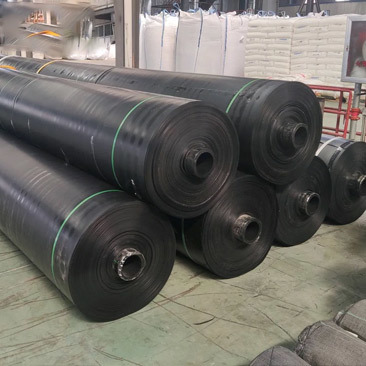
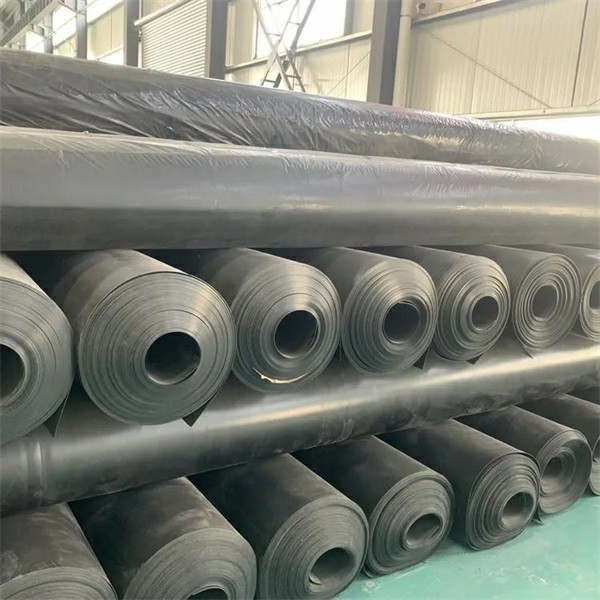
Geomembranes are essential components in various engineering projects, particularly in waste containment, water management, and environmental protection. These flexible, impermeable membranes are typically made from materials such as polyethylene, PVC, or rubber and are utilized to prevent the migration of fluids through soil and other materials. Correct installation is crucial to ensure the effectiveness and longevity of these geomembranes.
2. Importance of Proper Installation
The integrity of geomembrane systems depends heavily on how well they are installed. Improper installation can lead to leaks, environmental contamination, and costly repairs. Therefore, adhering to installation guidelines not only enhances durability but also protects the environment and complies with regulatory requirements.
3. Preparation for Installation
Before beginning the installation of geomembrane materials, comprehensive preparation is vital.
3.1 Site Assessment
Conducting a thorough site assessment involves evaluating the topography, soil conditions, and potential sources of contamination. This assessment helps identify the specific requirements for the installation, including drainage considerations and environmental impacts.
3.2 Material Selection
Selecting the right geomembrane material based on the project's requirements is critical. Factors to consider include tensile strength, flexibility, chemical resistance, and UV stability. Consulting with experts in geomembrane materials can guide you in making an informed choice that meets project specifications.
4. Installation Techniques
Once preparation is complete, the next step is to implement effective installation techniques.
4.1 Laying the Material
When laying the geomembrane material, ensure it is positioned correctly on the prepared subgrade. Avoid wrinkles to maintain a uniform surface. It is advisable to install the geomembrane in sections, allowing for easier handling and better control over the overall layout.
4.2 Seaming Procedures
Seaming is one of the most critical parts of the installation process. Various methods, including thermal welding and adhesive bonding, can be used depending on the geomembrane type. Ensure that seams are tested for strength and impermeability post-installation. Regular seam testing throughout the process will catch any issues early.
5. Safety Protocols During Installation
Safety should be paramount during the installation of geomembranes. We need to ensure that all personnel involved in the installation process are trained and equipped with the necessary safety gear. Adhering to the following protocols can mitigate risks:
- **Personal Protective Equipment (PPE):** Make sure all workers wear appropriate PPE, including gloves, goggles, and hard hats.
- **Site Safety Inspections:** Conduct regular safety inspections to identify hazards and rectify them promptly.
- **Emergency Preparedness:** Develop an emergency response plan to address potential accidents or environmental incidents.
6. Post-Installation Monitoring
After successfully installing the geomembrane, continuous monitoring is essential. This monitoring should include:
- **Visual Inspections:** Regular visual checks for wrinkles, tears, or other signs of damage.
- **Performance Testing:** Conduct tests to confirm the integrity of seams and overall membrane performance over time.
- **Environmental Monitoring:** Assess the surrounding environment for any potential contamination that may arise from installation activities.
7. Conclusion
Proper installation of geomembrane materials is vital for the success of projects involving waste containment, water management, and environmental protection. By following these comprehensive guidelines, including thorough preparation, employing effective installation techniques, and maintaining safety protocols, we can significantly enhance the durability and effectiveness of geomembrane systems. Remember, ongoing monitoring post-installation is essential to ensure long-term performance and compliance with environmental standards.
8. Frequently Asked Questions
1. What are geomembranes used for?
Geomembranes are primarily used in waste containment, water management, and environmental protection to prevent the migration of fluids through soil and other materials.
2. What materials are geomembranes made from?
Common materials include polyethylene, PVC, and rubber, each chosen based on specific project requirements.
3. How do I ensure the quality of geomembrane seams?
Use methods such as thermal welding or adhesive bonding and perform regular seam testing throughout the installation process to guarantee quality.
4. What safety measures should be taken during installation?
Ensure all personnel wear PPE, conduct site safety inspections, and have an emergency response plan in place to handle potential incidents.
5. How often should post-installation monitoring be conducted?
Regular visual inspections and performance tests should be conducted throughout the lifespan of the geomembrane, with specific frequency depending on environmental conditions and project requirements.
By adhering to these guidelines and best practices, we can effectively install geomembrane materials, safeguarding both the project and the environment.
CONTACT US
Address: Shuangyi Road, Lingcheng District, Dezhou City, Shandong Province


GET A DEDICATED QUOTATION